Phoenix Park
Dublin, Ireland
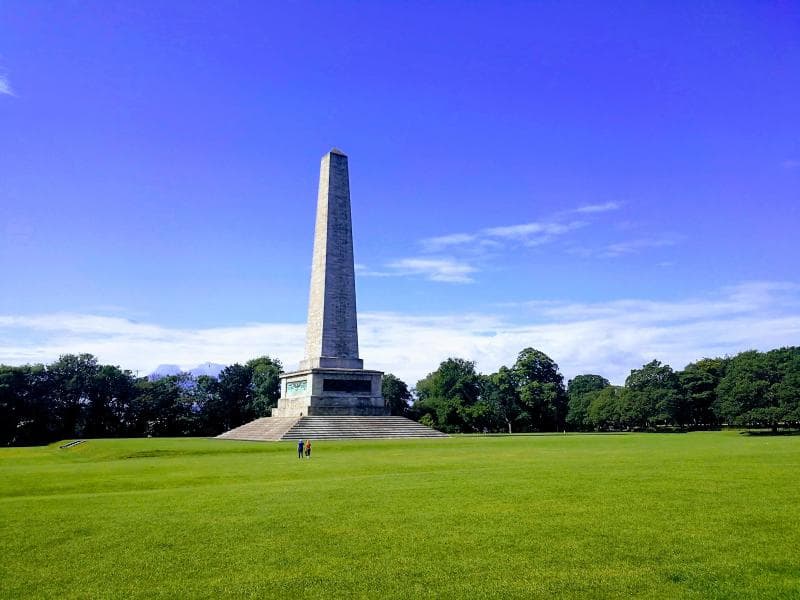
Explore Phoenix Park in Dublin, Ireland's expansive urban park. Discover wild deer, historic landmarks, Áras an Uachtaráin, and Dublin Zoo.
Overview
Phoenix Park, nestled in Dublin, Ireland, is a remarkable urban oasis that offers an expansive escape from city life. Enclosing 707 hectares (1,750 acres) within its 11-kilometre perimeter wall, it proudly holds the title of the largest enclosed public park in any European capital city. This vast green space is a vibrant tapestry of grasslands, tree-lined avenues, and diverse wildlife, making it feel more like countryside than an urban park. It is easily accessible, located just 2-4 kilometers west of Dublin's city centre. Within its bounds, visitors will discover a wealth of attractions, including the world-renowned Dublin Zoo, the official residence of the President of Ireland (Áras an Uachtaráin), historic monuments, and the charming Victorian People's Flower Gardens. A significant draw for many is the large herd of wild fallow deer that have roamed freely here since the 17th century, offering a unique opportunity for wildlife observation.
History & Cultural Background
The history of Phoenix Park stretches back millennia, with archaeological evidence revealing a Neolithic community lived on its southern edge approximately 5,500 years ago. Later, Bronze Age burials and even a significant Viking cemetery, one of the largest outside Scandinavia, were found within its present-day boundaries. The park as we know it today was established in 1662 by the Duke of Ormond, then Viceroy of Ireland, as a royal deer-hunting park for King Charles II. Originally, it was even larger, extending south of the River Liffey, but its size was reduced when the Royal Hospital Kilmainham was built. For over 80 years, it remained an exclusive royal hunting ground, until Lord Chesterfield, another Viceroy, opened it to the public in 1747, making it Ireland's oldest public park. The park's name itself is believed to derive not from the mythical bird, but from the Irish 'Fionn Uisce', meaning 'clear water', which was anglicised to 'Phoenix'.
Over the centuries, Phoenix Park has played a crucial role in Irish public life. It became home to the Viceregal Lodge (now Áras an Uachtaráin), the official residence for British viceroys until 1922, and later the President of Ireland. The park has also hosted significant national events, including a motor-racing event in 1929 and the historic visit of Pope John Paul II in 1979, which drew over a million people. Today, the Irish government is lobbying UNESCO to have Phoenix Park designated as a World Heritage Site, recognizing its profound historical and cultural significance.
What Makes It Special
What truly sets Phoenix Park apart is its harmonious blend of sprawling natural beauty and profound historical depth. It's not merely a green space; it's a living landscape where centuries of history unfold amidst picturesque scenery. The presence of a thriving herd of wild fallow deer, descendants of the original 17th-century royal deer park, creates an almost magical atmosphere, offering a glimpse into a wilder Ireland right at the city's edge. The park's sheer scale, being larger than all of Dublin's city centre, means there's always a new path to explore or a quiet corner to discover. Its diverse range of attractions caters to every interest, from the educational and entertaining Dublin Zoo, one of the oldest zoos in the world, to the serene Victorian Flower Gardens, a testament to horticultural artistry. Furthermore, it houses significant landmarks like the Wellington Monument, the largest obelisk in Europe, and the Papal Cross, a poignant reminder of a historic national gathering.
Stories, Fun Facts & Local Details
- The Wild Fallow Deer: The park is home to approximately 400-600 wild fallow deer. While they are accustomed to human presence, it is crucial to remember they are wild animals. Visitors are advised to keep a distance of at least 50 metres and never feed them, as this can harm their natural diet and behavior. The deer are often spotted grazing in open grasslands, particularly around the Papal Cross and the Visitor Centre.
- Áras an Uachtaráin: This elegant mansion, the official residence of the President of Ireland, has a fascinating past. Built in 1751 for the park's chief ranger, it served as the Viceregal Lodge for British rule before becoming the presidential home in 1938. Legend suggests that James Hoban, the Irish-born architect of the White House in Washington D.C., was inspired by its design, though the porticoes were added to the White House later. Tours are available on Saturdays from the Phoenix Park Visitor Centre.
- Wellington Monument: Standing at an impressive 62 meters (203 ft) tall, this obelisk is the largest in Europe. It commemorates Arthur Wellesley, the Duke of Wellington, who was born in Dublin and famously defeated Napoleon at Waterloo. The four bronze plaques at its base were cast from cannons captured at the Battle of Waterloo, depicting his military career.
- Papal Cross: This striking 35-meter (116 ft) steel cross marks the spot where Pope John Paul II celebrated an open-air mass for over a million people during his 1979 visit. Although initially intended to be temporary, it remained due to popular demand and the intervention of then Taoiseach Charles Haughey.
- Ashtown Castle: Located near the Visitor Centre, this is the oldest building in the park, a restored medieval tower house dating from the 15th century.
Visitor Perspective
For visitors, Phoenix Park offers a refreshingly open and accessible experience. Its main gates are open 24 hours a day, year-round, with free admission, inviting spontaneous exploration. Whether you prefer a leisurely stroll, a vigorous jog, or cycling along its extensive network of paths, the park provides ample space for recreation. Bicycles can be hired near the Parkgate Street entrance, making it easy to cover the park's vast distances and discover its many hidden gems. The Phoenix Park Visitor Centre, located near Ashtown Castle, serves as an excellent starting point, offering engaging exhibitions on the park's history and wildlife, along with information on free guided tours. With cafes and tea rooms available, visitors can comfortably spend a full day exploring, enjoying picnics, or simply relaxing amidst the natural beauty and historical grandeur. It's a place where history feels tangible, wildlife thrives, and the spirit of Dublin truly comes alive.
Coordinates: -6.3217, 53.356
View on Google Maps💬 How Travelers Describe This Place
Based on community votes
Must See
954Beautiful
514Photogenic
432Interesting
316Unique
196
Traveler Stories
Discover memorable experiences shared by travelers who have visited this place.
No traveler stories yet.
Be the first traveler to share what made this place memorable.
Things to see at Phoenix Park



Tour
By
Spot
Discover amazing places around the world. Your journey starts here.
Explore
© 2026 TourBySpot. All rights reserved.