Dublin Zoo
Dublin, Ireland
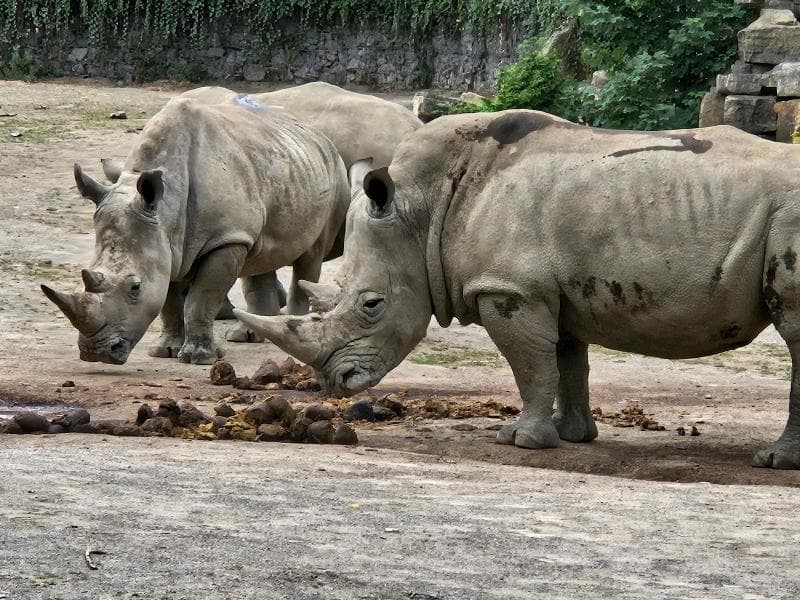
Explore Dublin Zoo, a historic and engaging conservation-focused attraction within Phoenix Park, Dublin, Ireland, home to 400 animals across 100 species.
Overview
Dublin Zoo, nestled within the expansive Phoenix Park in Dublin, Ireland, stands as one of the world's oldest and most beloved zoos. It is a premier attraction, drawing over a million visitors annually, making it one of Ireland's most popular destinations. Covering approximately 28 hectares (69 acres), the zoo is home to around 400 animals representing 100 species from across the globe. Its mission extends beyond entertainment, focusing strongly on conservation projects, breeding programmes, and fostering awareness for global wildlife.
History & Cultural Background
The story of Dublin Zoo began with the establishment of the Royal Zoological Society of Dublin on May 10, 1830, with the zoo officially opening its gates to the public on September 1, 1831. Initially, the zoo started with 46 mammals and 72 birds, generously donated by London Zoo. A pivotal moment in its early history was the decision in 1840 to reduce the Sunday entrance fee to a single penny. This radical move for its time forged a lasting bond between the zoo and the people of Dublin, who affectionately referred to it as the 'ah-Zoo'. This accessibility was crucial for its survival during challenging periods. The zoo has endured significant historical events, including the Easter Rising in 1916, when food shortages necessitated difficult decisions to sustain the larger predators. During World War II, the community's dedication was evident as the public donated food, and trees were even cut down to heat the tropical houses. Over nearly two centuries, Dublin Zoo has transformed from a collection of animals for study and recreation into a modern, welfare-focused institution committed to conservation.
What Makes It Special
What truly distinguishes Dublin Zoo today is its unwavering commitment to conservation and its pioneering role in international breeding programmes. It actively participates in the European Endangered Species Programme (EEP), managing programmes for species like the golden lion tamarin and the Moluccan cockatoo. The zoo's expansive and naturalistic habitats are designed to replicate the animals' native environments, providing immersive experiences for both residents and visitors. Notable areas include the African Plains, home to giraffes, zebras, and rhinos; the Kaziranga Forest Trail for Asian elephants; the Gorilla Rainforest; and the Himalayan Hills for snow leopards and red pandas. Each visit contributes directly to its conservation charity mission, helping protect wildlife and preserve habitats globally. Dublin Zoo also upholds the highest standards of ethical animal care, certified by organizations like the Global Humane Society.
Stories, Fun Facts & Local Details
Dublin Zoo boasts several captivating stories that intertwine with its long history. Perhaps one of the most famous is the connection to Hollywood: 'Slats,' the lion whose roar became the iconic emblem for Metro-Goldwyn-Mayer (MGM) films from 1924 to 1928, was born at Dublin Zoo in 1919. Another heartwarming anecdote captured global attention in 2011 when a Bornean orangutan at the zoo was filmed appearing to rescue a chick from a pond. The zoo's 'penny Sundays' in the 19th century cultivated a deep-seated affection among Dubliners, making it a cherished institution. This local connection proved vital during crises, such as the 'Save Dublin Zoo' campaign in the late 20th century, which rallied public support to prevent its closure. The daily lives and dramas of the zoo's inhabitants have also been chronicled in the popular Irish TV show, 'The Zoo.'
Visitor Perspective
A visit to Dublin Zoo offers an engaging and educational day out for all ages. Located conveniently within Phoenix Park, it's easily accessible from Dublin city centre by various transport options. Visitors are encouraged to wear comfortable shoes, as the zoo spans 28 hectares, offering a journey through diverse habitats. Arriving early is often recommended to see the animals at their most active. The zoo is well-equipped with facilities, including washrooms and water stations, and encourages visitors to bring their own water bottles to promote sustainability. It's a place where families can explore the wonders of the animal kingdom, learn about global conservation efforts, and create lasting memories.
Coordinates: -6.304152, 53.353881
View on Google Maps💬 How Travelers Describe This Place
Based on community votes
Beautiful
680Photogenic
653Unique
588Interesting
566Must See
432
Traveler Stories
Discover memorable experiences shared by travelers who have visited this place.
No traveler stories yet.
Be the first traveler to share what made this place memorable.

Tour
By
Spot
Discover amazing places around the world. Your journey starts here.
Explore
© 2026 TourBySpot. All rights reserved.