Deer Herd Areas
Dublin, Ireland
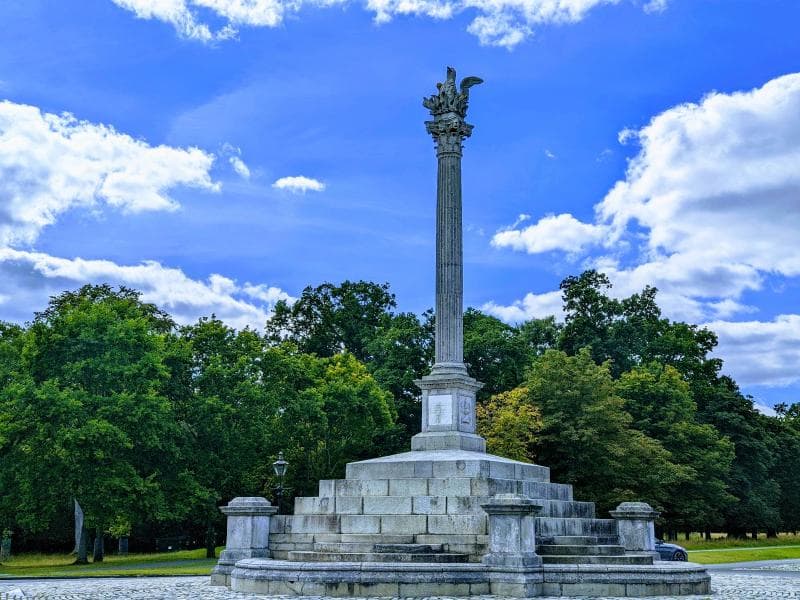
Discover the wild fallow deer herd of Phoenix Park, Dublin, Ireland. Learn their history, unique behaviors, and essential visitor guidelines for a safe and memorable experience.
Overview
Within the vast expanse of Phoenix Park in Dublin, Ireland, lies a truly enchanting and enduring natural wonder: its wild herd of fallow deer. These majestic creatures roam freely across the park's sprawling 1,750 acres, offering a captivating glimpse into Ireland's natural heritage amidst an urban setting. While not native to Ireland, the deer have become an iconic and integral part of the park's ecosystem, drawing visitors from around the globe who seek to observe them in their natural habitat. The herd, currently maintained at approximately 600 animals, represents a living link to centuries of history, contributing significantly to the park's rich biodiversity and unique character.
Visitors often encounter the deer grazing peacefully in the open meadows, particularly near the iconic Papal Cross, or nestled amongst the wooded areas. Spotting them is a highlight for many, providing a tranquil contrast to the bustling city life just beyond the park's walls. The presence of these wild animals underscores Phoenix Park's status as one of Europe's largest and most significant enclosed urban parks, a sanctuary for both wildlife and humans alike. However, it is crucial for all visitors to remember that these are wild animals and respectful observation from a safe distance is paramount for their welfare and visitor safety.
History & Cultural Background
The story of Phoenix Park's deer herd dates back to 1662 when the park was originally established as a Royal Deer Park. James Butler, the Duke of Ormond, was responsible for importing fallow deer from Great Britain to stock the park for hunting purposes. These early deer are the ancestors of the herd that thrives in the park today, signifying over 350 years of continuous presence.
While hunting was once their primary purpose, the deer's role evolved, becoming an integral component of the park's rich biodiversity. Their long-standing presence has shaped the park's landscape and contributed to its ecological balance. The Phoenix Park deer are not merely a tourist attraction; they are a living historical testament to the park's origins and its enduring connection to nature. The Office of Public Works (OPW) now actively manages the herd, ensuring its health and sustainability within the park's confines, a task made necessary by the absence of natural predators for fallow deer in Ireland following the extinction of grey wolves in 1786.
What Makes It Special
What truly sets the Deer Herd Areas within Phoenix Park apart is the opportunity to observe wild, free-roaming deer within a major European capital city. This isn't a zoo enclosure; it's a vast natural environment where deer live largely unmanaged by human intervention, apart from population control. The herd supports a significant portion of Ireland's mammal and bird species, making the park an important site for conservation and biodiversity.
The sheer accessibility of such a substantial wild herd in an urban setting is unique. Imagine strolling through a park and suddenly encountering a group of deer grazing just meters away, antlers silhouetted against the Dublin skyline. This immediate connection to nature fosters a sense of wonder and appreciation that is increasingly rare in modern cities. It offers a tangible link to a wilder past and a reminder of the importance of preserving natural spaces. The herd's continued existence is a testament to careful management and the park's dedication to maintaining its natural character.
Stories, Fun Facts & Local Details
The fallow deer of Phoenix Park have a distinct life cycle and intriguing behaviors. During the autumn, typically mid-October to early November, the park experiences the rutting season. This is when the male deer, or bucks, engage in competitive displays and sparring matches to attract females. During this time, the bucks can become particularly aggressive and unpredictable due to increased testosterone.
Another fascinating aspect is the casting of antlers, which bucks shed each year around April or May, with new, often larger, sets beginning to grow shortly after. These antlers initially grow in cartilage, then mineralize into bone, covered by a protective 'velvet' that is shed in late August.
A notable local detail, and an important one for visitors, is the ongoing public awareness campaign by the Office of Public Works, 'Protect Our Park – Don't Feed the Deer.' This campaign addresses a significant issue: human feeding. While seemingly harmless, feeding the deer human foods like bread, crisps, and even chocolate has detrimental effects, altering their natural diet, causing digestive issues, leading to dependency, and increasing the risk of disease transmission and aggressive interactions with people. Studies by University College Dublin have shown that fawns of mothers who regularly beg for food are significantly heavier, perpetuating a cycle of artificial selection. Therefore, resisting the urge to feed these beautiful animals is a critical act of kindness and conservation.
Visitor Perspective
For visitors, seeing the Phoenix Park deer is an unforgettable experience, but it comes with a strong recommendation for responsible and respectful viewing. The best times to spot them are often early mornings or late evenings when the park is quieter. While they are accustomed to human presence, they remain wild animals and their behavior can be unpredictable.
The most important rule for visitors is to maintain a significant distance, at least 50 meters (approximately 160 feet), from the deer at all times. This is especially crucial during the rutting season when bucks are aggressive, and during the fawning season (May to July) when does are protective of their young. Approaching them for selfies or attempting to touch them can stress the animals and provoke dangerous reactions. Dogs should always be kept on a lead. Respecting their space ensures both your safety and the deer's well-being, allowing these magnificent creatures to continue thriving in their historic home. Remember, your camera's zoom function is your best friend when observing these gentle giants.
Coordinates: -6.3263, 53.3541
View on Google Maps💬 How Travelers Describe This Place
Based on community votes
Unique
680Interesting
588Photogenic
566Beautiful
432Must See
316
Traveler Stories
Discover memorable experiences shared by travelers who have visited this place.
No traveler stories yet.
Be the first traveler to share what made this place memorable.

Tour
By
Spot
Discover amazing places around the world. Your journey starts here.
Explore
© 2026 TourBySpot. All rights reserved.