Parc De La Tête D'Or
Lyon, France
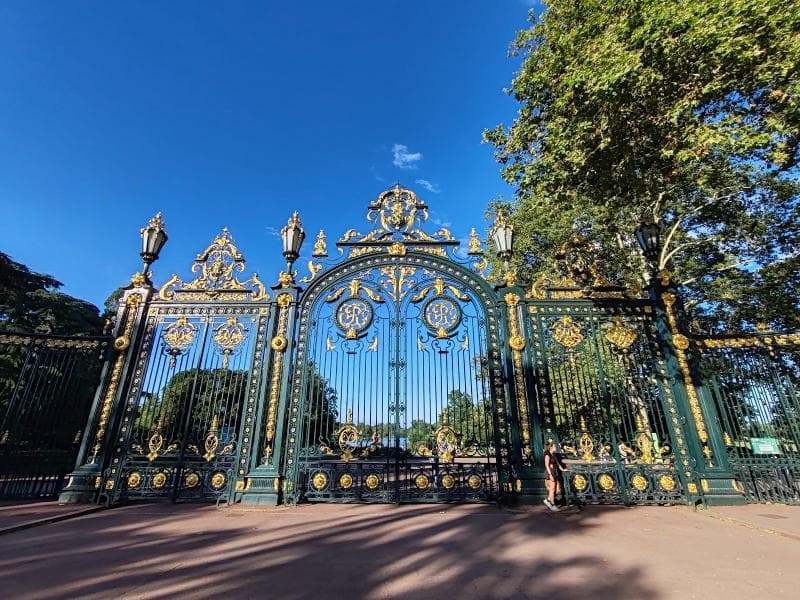
Discover Parc de la Tête d'Or in Lyon, France, one of the largest urban parks, featuring a zoo, botanical garden, lake, and rose gardens.
Overview
Parc de la Tête d'Or, often referred to as Lyon's green lung, stands as one of France's largest and most beloved urban parks. Spanning approximately 105 to 117 hectares, this expansive green space is nestled in the 6th arrondissement of Lyon, providing a vital retreat from the urban bustle. It is celebrated for its diverse offerings, which include a zoological park, a sprawling botanical garden, multiple rose gardens, a picturesque lake, and various leisure facilities. Free to enter, the park attracts millions of visitors annually, from locals seeking a peaceful stroll to tourists eager to explore its natural and cultivated beauty.
History & Cultural Background
The history of Parc de la Tête d'Or dates back to the mid-19th century, with its official opening in 1857. The park's creation was a significant urban development project for Lyon, spearheaded by then-mayor Claude-Marius Vaïsse, who envisioned 'giving nature to those who don't have it'. The design was entrusted to the Swiss landscape architects Denis and Eugène Bühler, who conceived the park in the style of an English garden, characterized by its naturalistic landscapes and winding paths. Interestingly, its inception roughly coincides with that of New York's Central Park, both established in 1857.
The name 'Tête d'Or' translates to 'Golden Head', a curious appellation rooted in a local legend. Lore suggests that a treasure, supposedly containing a golden head of Christ, was buried on the land where the park now stands. While no such relic has ever been discovered, the legend adds a layer of mystique to the park's rich history.
What Makes It Special
What truly sets Parc de la Tête d'Or apart is its remarkable array of attractions, all offered free of charge. The park's zoological section, which began as a modest educational farm, has evolved into a significant conservation effort, housing nearly 400 animals across 64 species. Highlights include the African Plain, home to giraffes, zebras, and antelopes, focusing on species preservation.
The Botanical Garden of Lyon, within the park, is one of Europe's richest collections, boasting approximately 15,000 plant species spread over 8 hectares. Its impressive tropical greenhouses, a 'cathedral of glass and steel', house thousands of species, including orchids and carnivorous plants, with some dating back to 1880. Additionally, the park features a magnificent rose garden with 30,000 rose bushes and 350 different varieties, alongside an international rose garden.
The expansive 17-hectare lake, created from a branch of the Rhône, serves as a central feature, offering opportunities for boating and pedal boats. Two islands, the Isle of Tamarisks and the Isle of Remembrance (accessible via an underwater tunnel), add to the scenic charm.
Stories, Fun Facts & Local Details
Beyond its formal attractions, the Parc de la Tête d'Or is steeped in local charm and intriguing stories. The legend of the 'golden head of Christ' buried within its grounds has persisted for centuries, predating the park's establishment. In 1855, a clairvoyant was even reportedly hired to locate the treasure, though without success.
A lesser-known fact is the park's early history involving a cowshed. Initially, the zoo included a farm with local animals, and milk produced there was sold in Bellecour Square. While the original wooden structure burned down, a new one was built in 1904, reflecting a unique phase in the park's evolution before it transitioned to housing more exotic species.
For many Lyonnais, the park is more than just a public space; it is a living room, a gym, and a place for celebration. Its vast open lawns and shaded paths are a backdrop for countless personal stories, from family picnics to romantic strolls, embodying its role as a cherished urban sanctuary.
Visitor Perspective
For any curious traveler, Parc de la Tête d'Or offers a truly immersive experience that caters to all ages and interests. Whether you seek active recreation or tranquil contemplation, the park provides endless possibilities. Visitors can enjoy leisurely walks, jogging, or cycling along dozens of trails, or explore the lake by renting a small boat or pedal boat. Children will delight in the zoo, pony rides, miniature railway, and playgrounds.
The park is designed with accessibility in mind, featuring paved trails and accessible facilities, ensuring a welcoming environment for everyone. Its proximity to the city center, just a short walk from the Opera, makes it an easily reachable destination for both a quick visit or an entire day of exploration. Plan to spend several hours to fully appreciate its scale and diverse offerings, from the quiet beauty of the botanical garden to the lively atmosphere around the lake.
Coordinates: 4.85216, 45.77861
View on Google Maps💬 How Travelers Describe This Place
Based on community votes
Unique
980Must See
712Beautiful
288Photogenic
247Interesting
130
Traveler Stories
Discover memorable experiences shared by travelers who have visited this place.
No traveler stories yet.
Be the first traveler to share what made this place memorable.
Things to see at Parc De La Tête D'Or



Tour
By
Spot
Discover amazing places around the world. Your journey starts here.
Explore
© 2026 TourBySpot. All rights reserved.