Velodrome Area
Lyon, France
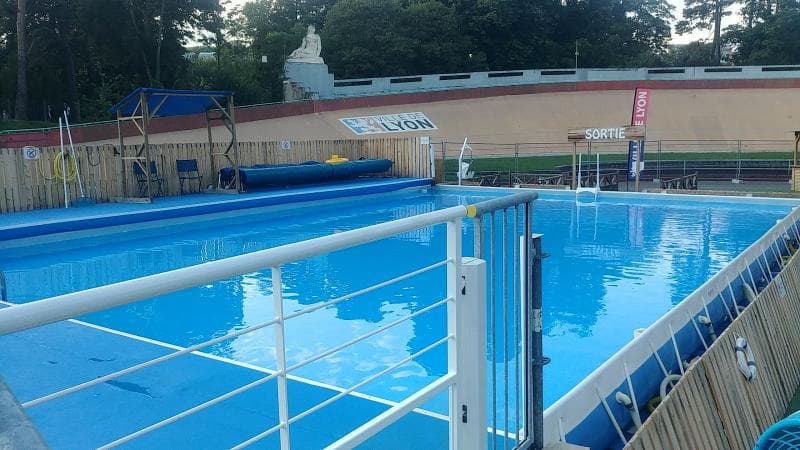
Discover the historic Velodrome Georges Préveral in Parc de la Tête d'Or, Lyon, France. Explore its rich cycling history and unique setting.
Overview
Nestled within the sprawling natural beauty of Parc de la Tête d'Or in Lyon, France, lies the dedicated cycling track known as the Velodrome Georges Préveral. This impressive facility is not merely a sports venue; it's a historical landmark, a vibrant hub for track cycling enthusiasts, and an unexpected find within one of France's largest urban parks. The velodrome offers a stark contrast between its dynamic sporting events and the peaceful, verdant surroundings of the park, creating a unique atmosphere for visitors.
Measuring precisely 333.33 meters in length and 7 meters wide, the track boasts a maximum inclination of 43 degrees, a design feature essential for the high-speed demands of track cycling. While primarily reserved for club members and official events, its presence adds a distinctive sporting dimension to the park's diverse offerings, drawing curious onlookers and dedicated athletes alike. It is situated in the northern part of the park, easily accessible and a notable point of interest among the botanical gardens, zoo, and expansive lake.
History & Cultural Background
The story of the Velodrome Georges Préveral dates back to a significant moment in Lyon's history: the Universal, International and Colonial Exhibition. Inaugurated on May 27, 1894, the velodrome was a prominent attraction during this grand event, showcasing the city's forward-thinking spirit and embrace of modern leisure. Initially, the track featured a humble earth surface, a testament to the early days of cycling infrastructure.
Over the decades, the velodrome underwent several transformations to meet evolving sporting standards. In 1934, its surface was upgraded to a more durable cement screed. Further modernization occurred in 1976 with the introduction of a pink synthetic coating, followed by its current orange resin screed in 1989. This last renovation was particularly significant, as it allowed the velodrome to host the prestigious World Championships in the same year, solidifying its international reputation. The velodrome received its current name, Georges Préveral, on April 8, 2006, honoring a man who passionately revitalized competitive cycling on this very track for over four decades, starting in 1964.
What Makes It Special
What truly sets the Velodrome Area apart is its blend of historical significance and athletic prowess within a major urban green space. It is a world-class track cycling venue, complete with its steep banking and precise dimensions, offering an authentic glimpse into the sport. Unlike many modern, standalone velodromes, this one is seamlessly integrated into a bustling public park, allowing visitors to experience the thrill of cycling events amidst leisurely strolls, picnics, and encounters with nature.
The continuous evolution of its surface, from earth to cement to advanced resin, reflects the history of cycling technology itself, making the track a living museum of sorts for cycling aficionados. Its ability to host international competitions, such as the World Championships, underscores its high quality and capacity, making it a point of pride for Lyon. Moreover, the fact that such a specialized sporting facility coexists with botanical gardens, a zoo, and a lake exemplifies the multifaceted nature of Parc de la Tête d'Or itself, offering something for every interest.
Stories, Fun Facts & Local Details
One of the most captivating aspects of the Velodrome Georges Préveral is its connection to the 1989 World Championships. Imagine the electrifying atmosphere as elite cyclists from around the globe sped around the orange resin track, vying for victory within the heart of Lyon. The passion of Georges Préveral, for whom the velodrome is now named, is another inspiring detail; his dedication to track cycling for forty years breathed new life into the venue, ensuring its legacy continues.
A fun fact about its parent park, Parc de la Tête d'Or, is the legend behind its name – 'Park of the Golden Head'. Local lore suggests a treasure, specifically a golden head of Christ, is buried somewhere within its grounds. While the treasure remains undiscovered, the intriguing name adds a layer of mystery and charm to the entire area, including the velodrome's setting. The existence of a dedicated handball, basketball, and volleyball court within the velodrome complex also highlights its role as a multi-sport facility, catering to various athletic pursuits beyond cycling.
Visitor Perspective
For the curious traveler, the Velodrome Area offers a unique window into French sporting culture and history. While the track itself is typically reserved for trained athletes and scheduled events, visitors can often observe training sessions or competitions, soaking in the energy and precision of track cycling. The rhythmic whir of wheels and the focused intensity of cyclists provide a captivating spectacle against the park's tranquil backdrop.
Beyond the velodrome, the surrounding Parc de la Tête d'Or invites exploration and relaxation. You can combine your visit with a leisurely stroll by the lake, admire the diverse flora in the botanical gardens, or enjoy the free zoo. The Velodrome Area, therefore, isn't just a destination for cycling enthusiasts; it's an enriching component of a larger, vibrant park experience in Lyon, offering a blend of athletic heritage and natural beauty for every traveler to discover and appreciate. It serves as a reminder that even within the most serene urban parks, pockets of dynamic activity and rich history can be found.
Coordinates: 4.854, 45.78
View on Google Maps💬 How Travelers Describe This Place
Based on community votes
Beautiful
998Interesting
903Unique
481Photogenic
458Must See
92
Traveler Stories
Discover memorable experiences shared by travelers who have visited this place.
No traveler stories yet.
Be the first traveler to share what made this place memorable.

Tour
By
Spot
Discover amazing places around the world. Your journey starts here.
Explore
© 2026 TourBySpot. All rights reserved.