Botanical Garden
Lyon, France
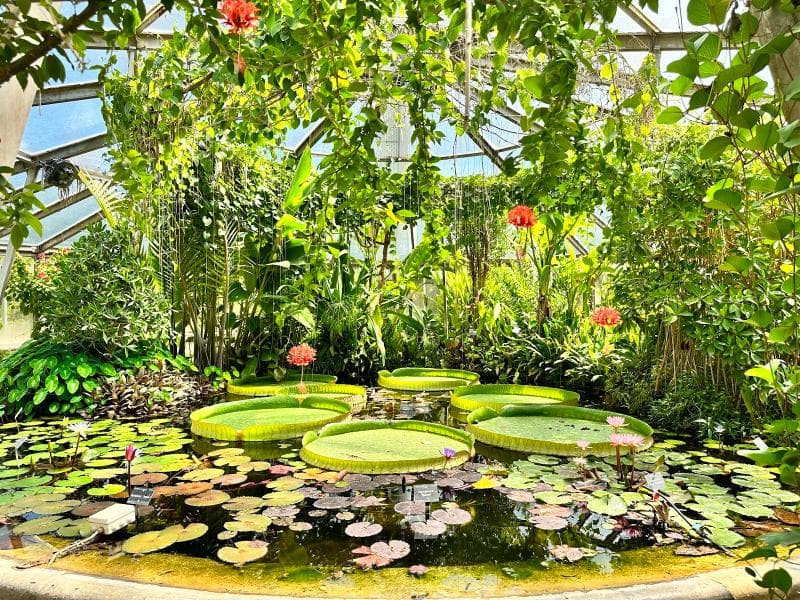
Discover the Botanical Garden in Lyon's Parc de la Tête d'Or, France. Explore vast greenhouses, rare plant collections, and rich botanical history in this urban oasis.
Overview
Nestled within the sprawling expanse of the Parc de la Tête d'Or in Lyon, France, lies the captivating Botanical Garden, a vibrant living museum that showcases the planet's diverse flora. This remarkable sub-spot, covering approximately 8 hectares, is renowned as one of France's largest municipal botanical gardens and holds one of Europe's richest plant collections. With between 15,000 and 16,000 plant species, or 'taxons', it offers a profound journey through various botanical worlds. Its impressive greenhouses alone span 6,000 to 7,000 square meters, housing some 6,000 species. More than just a beautiful display, the garden serves vital roles in education, conservation, and scientific research, actively working to preserve endangered plant species. Entry to this botanical treasure is entirely free, inviting curious travelers to explore its wonders at their leisure.
History & Cultural Background
The roots of Lyon's Botanical Garden stretch back to the late 18th century, with predecessors established as early as 1763-1764, initially linked to France's first veterinary school on the slopes of Croix-Rousse. These early gardens were crucial for studying plants used in treating animals. By 1857, recognizing the need for a larger, more suitable location, the botanical collections were meticulously relocated to their current home within the newly established Parc de la Tête d'Or. This monumental effort involved moving approximately 4,000 plants and even painstakingly rebuilding the Orangerie stone by stone. The garden rapidly expanded its horizons, with the construction of grand glasshouses between 1860 and 1880, which allowed for the cultivation of tropical and equatorial plants previously unseen in Lyon. These architectural marvels, particularly the main greenhouse, known as the 'Grande Serre', stand 21 meters tall, making it one of the highest in France and a designated historical monument. The garden's ongoing commitment to botanical excellence is underscored by its recognition for several national collections by the Conservatoire Français des Collections Végétales Spécialisées (CCVS).
What Makes It Special
What truly sets Lyon's Botanical Garden apart is its extraordinary breadth and depth of specialized collections. Visitors can wander through diverse themed areas, each offering a unique botanical experience. The Alpine Garden, for instance, is home to some 1,700 species of mountain flora, thriving in a meticulously recreated environment. The Historic Rose Garden is another highlight, boasting hundreds of varieties, including 30,000 bushes across 350 types, a proud nod to Lyon's historical status as a pioneer in rose research and once the 'Rose Capital' of the world. Beyond these, there is a fascinating Mexican Garden, a dedicated fern collection, and a botany school section. The celebrated 'Grande Serre' is not merely an architectural feat; it is a verdant 'cathedral of glass and steel' where tropical plants from Africa, Australasia, and South America flourish. Other specialized greenhouses include a Dutch greenhouse for carnivorous plants and an aquarium greenhouse featuring Amazonian water lilies. Behind the scenes, the garden functions as a serious scientific institution, housing an extensive herbarium with 200,000 sections, a seed bank (graineterie), a conservation laboratory for rare species, and a botanical library with 6,000 books. This comprehensive approach underscores its dedication to botanical research and the conservation of threatened plant species, both globally and within the Rhône-Alpes region.
Stories, Fun Facts & Local Details
The Botanical Garden carries with it a rich tapestry of stories and local significance. The very name of the larger Parc de la Tête d'Or, 'Park of the Golden Head', stems from a local legend that speaks of a treasure, possibly a statue of Christ's head, buried somewhere within its grounds. A truly captivating detail is Lyon's historical role as a global center for rose cultivation; between 1869 and 1914, it's estimated that a staggering 60% of all rose varieties in the world were created in this city. The magnificent historic rose garden within the botanical garden stands as a living testament to this illustrious past. Furthermore, the exotic plant collections cultivated in the garden's greenhouses once served as direct inspiration for the intricate and vibrant motifs found in Lyon's world-renowned silk workshops. Near the greenhouses, visitors can find a statue dedicated to Bernard de Jussieu, an influential 18th-century botanist, honoring his contributions to the field. The garden's initial establishment was, surprisingly, in response to a practical need from the veterinary school, highlighting a fascinating historical link between botany and animal care. This unique blend of scientific rigor, historical resonance, and sheer botanical beauty makes the garden a profoundly enriching experience for any traveler.
Visitor Perspective
For the curious traveler, the Botanical Garden offers an immersive and enriching experience without any admission fee, making it an accessible highlight within Lyon. The garden is open daily, though specific hours may apply to its various greenhouses and the specialized Alpine Garden, so it's always wise to check in advance. Beyond self-guided exploration, the garden regularly hosts educational visits, themed tours, and engaging workshops designed for school groups, adults, and families, fostering a deeper connection with the plant world. It is envisioned as a place for discovery, relaxation, and fostering conviviality, an urban oasis where one can unwind and marvel at nature's artistry. Many pathways are adapted for visitors with disabilities, ensuring a broad welcome. Spending time here is akin to stepping into a living museum, where every plant tells a story, and the sheer scale and diversity of the collections inspire both awe and a quiet appreciation for the intricate beauty of our planet's botanical heritage. The garden invites visitors to not just observe but to connect with nature's profound and often surprising narratives.
Coordinates: 4.8564, 45.7754
View on Google Maps💬 How Travelers Describe This Place
Based on community votes
Photogenic
1.0kUnique
869Must See
416Interesting
309Beautiful
33
Traveler Stories
Discover memorable experiences shared by travelers who have visited this place.
No traveler stories yet.
Be the first traveler to share what made this place memorable.

Tour
By
Spot
Discover amazing places around the world. Your journey starts here.
Explore
© 2026 TourBySpot. All rights reserved.