Tropical Greenhouses
Lyon, France
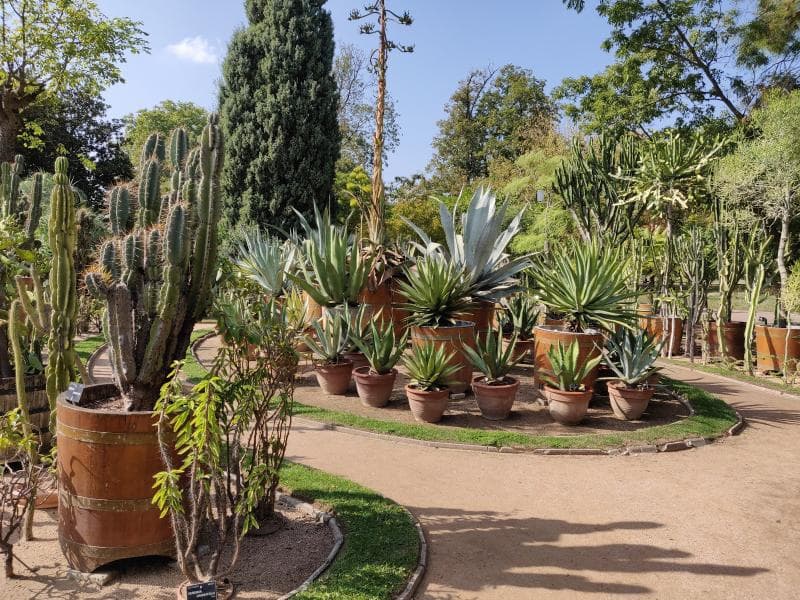
Explore the Tropical Greenhouses in Parc de la Tête d'Or, Lyon, France. Discover a rich collection of exotic plants and historical glass architecture.
Overview
Nestled within the sprawling Parc de la Tête d'Or in Lyon, France, the Tropical Greenhouses offer a captivating journey into the heart of exotic flora. As an integral part of the renowned Botanical Garden of Lyon, these glass and steel structures house one of Europe's richest plant collections, showcasing a remarkable diversity of species from around the globe. Visitors can step into various climatic zones, from humid tropical environments to arid landscapes, all under one roof. The experience is entirely free, inviting curious travelers to discover a living museum dedicated to plant life and conservation.
Spanning an impressive 6,500 square meters, the greenhouse complex is a significant botanical endeavor, acting as a crucial sanctuary for species that might otherwise disappear from the wild. It provides a unique opportunity to encounter rare and magnificent plants, making it a focal point for both casual explorers and botanical enthusiasts alike in Lyon's cherished green lung.
History & Cultural Background
The story of the Tropical Greenhouses dates back to the very origins of Parc de la Tête d'Or. When the park opened in 1857, the first fleet of greenhouses was constructed in 1867. However, these initial structures, built with wooden frames, proved to be ill-suited for the humid conditions required by their exotic inhabitants and did not last long.
A significant rebuilding effort began in 1880, marking a pivotal moment in their architectural evolution. This time, the greenhouses were designed with robust metal frames by architect Domenget, a style reminiscent of the grand iron and glass constructions popularized during that era, not dissimilar to the works of Gustave Eiffel. The main greenhouse, a veritable cathedral of glass and steel, stands 21 meters high, making it the tallest in France. Over the decades, these greenhouses have been continuously maintained and occasionally reconstructed, with the central pavilion seeing a rebuild in 2000, ensuring its continued role in botanical preservation. The entire complex is a listed Historical Monument, underscoring its cultural and architectural importance.
What Makes It Special
What truly sets the Tropical Greenhouses apart is their exceptional collection and innovative design. They are home to approximately 6,000 species within their glass walls, ranging from vibrant orchids and carnivorous plants to ancient camellias and Amazonian water lilies. The collection is meticulously organized, with plants often grouped by continent, offering a coherent and educational journey through different ecosystems.
Highlights include the grand central pavilion for tropical plants, a specialized greenhouse-aquarium featuring remarkable Amazonian water lilies, a Dutch greenhouse dedicated to carnivorous species, and a distinct Madagascar greenhouse boasting 200 plant species unique to the island. This dedication to housing and nurturing such a diverse and often fragile array of plants underscores their vital role in biodiversity conservation, preserving species that, in some cases, no longer exist in their natural habitats.
Stories, Fun Facts & Local Details
The Tropical Greenhouses hold more than just plants; they hold stories. Historically, the exotic motifs of the plants cultivated here are said to have inspired Lyon's renowned silk workshops, influencing the city's artistic and industrial heritage. This connection highlights how nature can profoundly shape culture and craftsmanship.
A fun fact tied to the larger Parc de la Tête d'Or is the legend behind its name: 'Park of the Golden Head.' Local lore suggests a golden head of Christ is buried somewhere within its grounds, though no such treasure has ever been unearthed. While the greenhouses themselves may not contain golden relics, they certainly house botanical treasures of immense value. Moreover, ongoing renovation projects, particularly for the smaller greenhouses, are underway, with plans to introduce an immersive tropical ecosystem that will further enhance the visitor experience by spring 2027, blending historical preservation with modern interactive displays.
Visitor Perspective
Visiting the Tropical Greenhouses offers a sensory and educational escape within the bustling city of Lyon. As you step inside, the change in temperature and humidity, coupled with the lush greenery and vibrant colors, immediately transports you to a different world. It's a peaceful oasis where one can wander at leisure, absorbing the intricate beauty of nature without the rush of typical tourist attractions. The entry is free, making it an accessible and enriching experience for everyone.
Open year-round, with specific seasonal hours for the greenhouses, it's a perfect destination regardless of the weather outside. The greenhouses are not just for botanists; they provide a calm, inspiring environment for anyone seeking a moment of tranquility or a deeper connection with the natural world. It's a testament to Lyon's commitment to both its historical heritage and its role in global environmental stewardship, offering a truly unique and memorable experience for every traveler.
Coordinates: 4.856389, 45.775278
View on Google Maps💬 How Travelers Describe This Place
Based on community votes
Must See
839Interesting
445Photogenic
416Beautiful
289Unique
141
Traveler Stories
Discover memorable experiences shared by travelers who have visited this place.
No traveler stories yet.
Be the first traveler to share what made this place memorable.

Tour
By
Spot
Discover amazing places around the world. Your journey starts here.
Explore
© 2026 TourBySpot. All rights reserved.