Palace of Versailles
Versailles, France
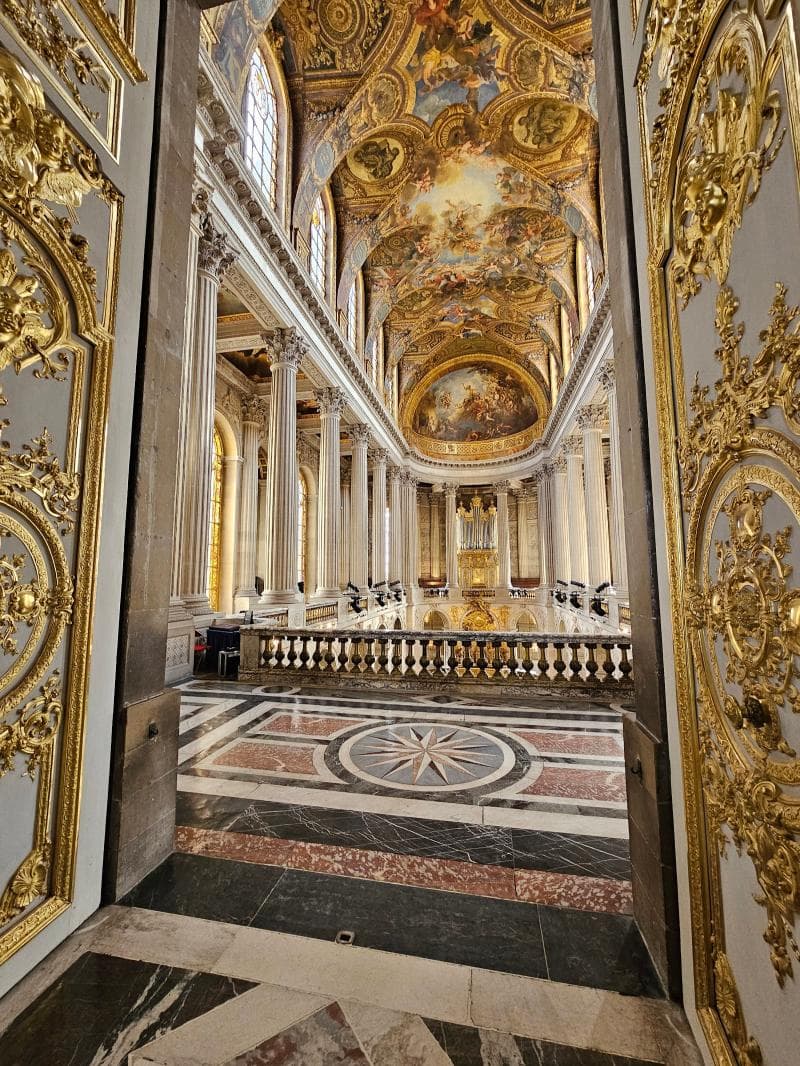
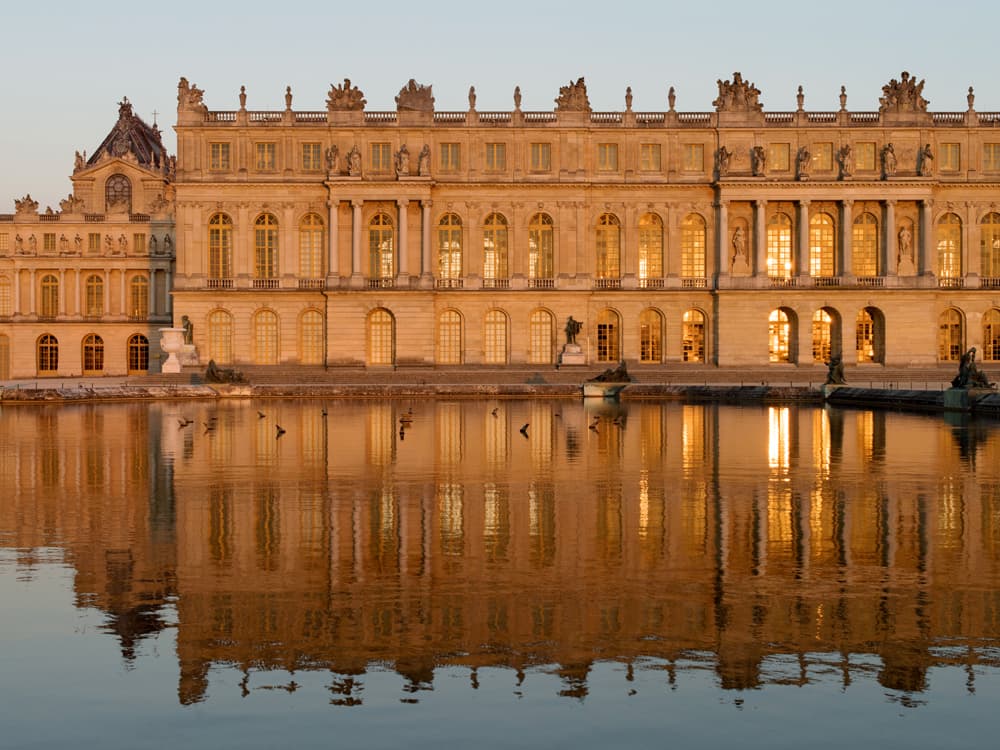
Explore the opulent Palace of Versailles in Versailles, France, a UNESCO World Heritage site, once home to French kings.
Overview
The Palace of Versailles, located in Versailles, France, stands as an iconic symbol of French grandeur and history. Originally a modest hunting lodge for King Louis XIII, it was dramatically transformed into a lavish royal residence and seat of power by his son, Louis XIV, the 'Sun King.' This sprawling estate, encompassing the magnificent palace, extensive gardens, and various other structures, is recognized globally as a UNESCO World Heritage Site since 1979. The palace itself covers approximately 63,154 square meters and houses around 2,300 rooms, while the entire estate spans roughly 800 hectares (2,000 acres). Versailles represents a monumental achievement in 17th-century French art and architecture, embodying the absolute monarchy and serving as a model for royal residences across Europe.
History & Cultural Background
The story of Versailles begins in 1623 with Louis XIII's hunting lodge. However, it was Louis XIV's profound vision and ambition that elevated Versailles to its legendary status. Starting in the 1660s, he embarked on an immense construction project, transforming his father's retreat into an opulent palace designed to glorify the French monarchy. In 1682, Louis XIV officially moved his court and government to Versailles, establishing it as the center of political power and aristocratic life in France. For over a century, Versailles remained the principal residence for French kings, including Louis XV and Louis XVI, each contributing to its embellishment. The palace's reign as a seat of power ended dramatically in 1789 when the French Revolution forced Louis XVI and Marie Antoinette to leave for Paris. In the 19th century, King Louis-Philippe revitalized the palace, converting a significant portion into the Museum of the History of France in 1837, ensuring its preservation and public access.
What Makes It Special
The Palace of Versailles is a masterpiece of design and engineering, boasting several iconic features. The most famous is undoubtedly the Hall of Mirrors (Galerie des Glaces), a breathtaking gallery measuring 73 meters in length. Adorned with 357 mirrors that reflect light from 17 arched windows overlooking the gardens, it was designed to showcase the wealth and industrial prowess of France. The Hall of Mirrors is not just a visual spectacle; it holds immense historical significance as the location where the Treaty of Versailles was signed in 1919, officially ending World War I.
Beyond the palace walls lie the magnificent Gardens of Versailles, designed by the celebrated landscape architect André Le Nôtre. These formal gardens are characterized by their vast perspectives, intricate parterres, elegant fountains, and classical sculptures. Highlights include the Grand Canal, offering serene boating opportunities, and the Orangerie. The estate also features the Trianon Palaces, including the Grand Trianon and the Petit Trianon, and Marie Antoinette's Estate, which includes her rustic Queen's Hamlet. These more intimate retreats offered a stark contrast to the formal court life within the main palace.
Stories, Fun Facts & Local Details
Life at Versailles was full of fascinating stories and quirky details. For instance, experts estimate that rebuilding the Palace of Versailles today would cost over $2 billion. Surprisingly, despite its opulence, the king's meals often arrived cold due to the vast distance between the kitchens and the royal dining rooms. The palace once housed a royal menagerie, a zoo with exotic animals from around the world, showcasing the monarchy's reach and influence. The famous gardens, while beautiful, were so intensely fragrant from hundreds of thousands of annual plantings that their perfume could sometimes make visitors feel unwell.
Louis XIV, often referred to as the 'Sun King,' intricately wove solar imagery throughout the palace and gardens, symbolizing his absolute power and central role. The Hall of Mirrors, with its seemingly infinite reflections, was intended to amplify this divine image, portraying the king's triumphs and French supremacy.
Visitor Perspective
Visiting the Palace of Versailles is an immersive experience that transports you back to the age of French royalty. The sheer scale of the estate means that a comprehensive visit requires significant time, often a full day. The palace and the Trianon Estate generally close on Mondays, while the expansive gardens and park are usually open daily. To make the most of your visit and avoid potential long queues, it is highly recommended to purchase tickets online in advance and to consider arriving early in the morning or later in the afternoon. Exploring beyond the main palace, such as the Grand Trianon, Petit Trianon, and Marie Antoinette's Hamlet, offers a more intimate glimpse into royal life away from the rigid court etiquette. Audioguides are available to enrich your understanding of the history and art you encounter.
Coordinates: 2.1203, 48.8047
View on Google Maps💬 How Travelers Describe This Place
Based on community votes
Must See
683Beautiful
642Interesting
597Unique
300Photogenic
300
Traveler Stories
Discover memorable experiences shared by travelers who have visited this place.
No traveler stories yet.
Be the first traveler to share what made this place memorable.
Things to see at Palace of Versailles



Tour
By
Spot
Discover amazing places around the world. Your journey starts here.
Explore
© 2026 TourBySpot. All rights reserved.