Queen’s Hamlet
Versailles, France
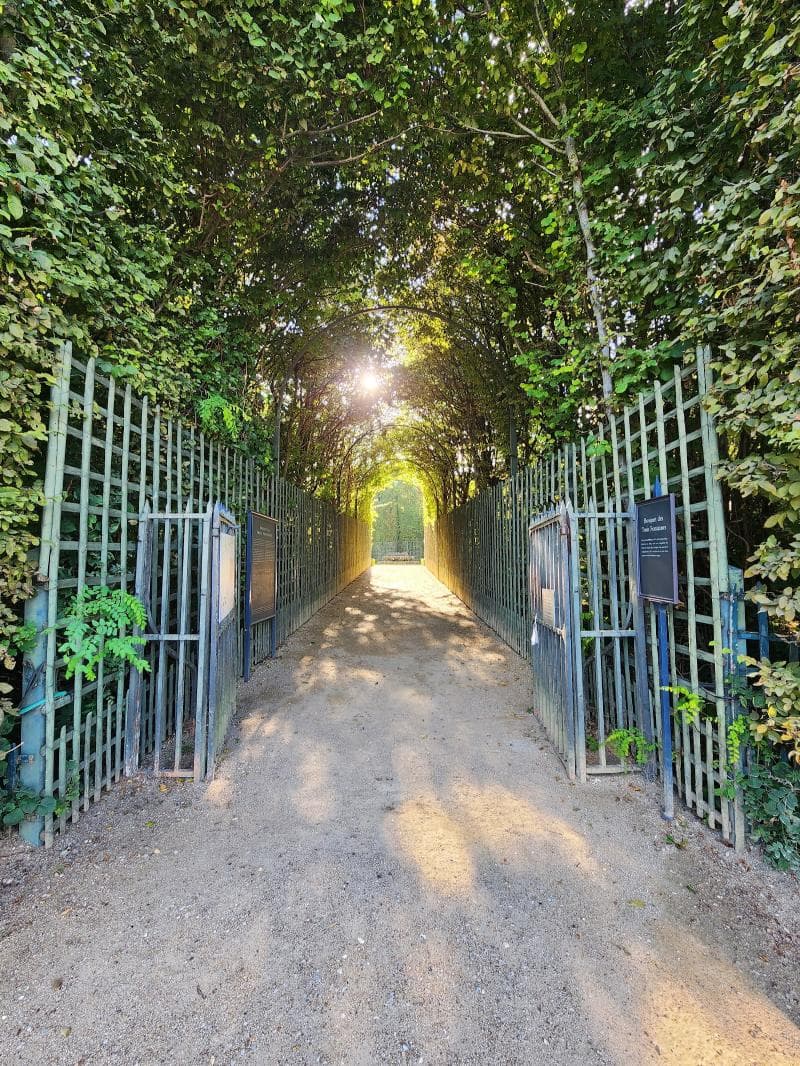
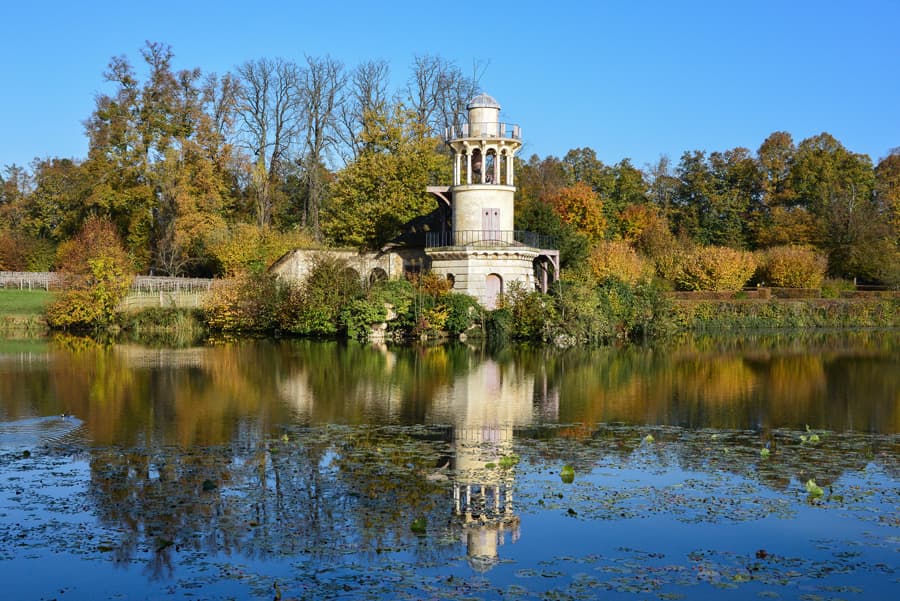
Explore Queen's Hamlet, Marie Antoinette's rustic retreat in Versailles, France. Discover its history, unique charm, and picturesque cottages.
Overview
Nestled within the expansive grounds of the Palace of Versailles in Versailles, France, lies the enchanting Queen’s Hamlet, or Hameau de la Reine. This picturesque rustic village, built for Queen Marie Antoinette between 1783 and 1786, served as a serene escape from the rigid etiquette and opulence of court life. It represents a fascinating blend of idealized rural charm and functional agriculture, designed to offer the Queen a private retreat for leisure and reflection. The Hamlet's unique character, with its diverse cottages and idyllic landscape, transports visitors to a pastoral dream, far removed from the grandeur of the main palace.
Conceived as a 'model village' around an artificial lake, the Queen's Hamlet comprised various structures, including the Queen's House, a working farm, a dairy, a mill, and a boudoir. These buildings, inspired by Norman and Flemish architectural styles, were arranged to create a seemingly organic and harmonious countryside setting. It was a place where Marie Antoinette could enjoy simple pleasures, host small, intimate gatherings, and provide an educational setting for her children, away from public scrutiny.
History & Cultural Background
The creation of the Queen's Hamlet was deeply influenced by the philosophical and artistic trends of the late 18th century, particularly the Enlightenment's emphasis on nature and the writings of Jean-Jacques Rousseau. There was a growing fascination among the French aristocracy for a return to a more 'natural' and 'simple' life, a counterpoint to the elaborate formality of court. Marie Antoinette, finding the strictures of Versailles stifling, sought a personal haven where she could indulge this contemporary taste.
Commissioned by the Queen and designed by her favored architect, Richard Mique, with the assistance of painter Hubert Robert, the Hamlet was constructed in phases, completing around 1786. It extended the English Gardens of the Petit Trianon, transforming a former arboretum into a more informal landscape of winding paths and lakes. The architectural style deliberately combined elements of Norman and Flemish vernacular buildings, featuring half-timbered facades, thatched roofs, and brick details. While outwardly rustic, many of the interiors were surprisingly well-appointed and even luxurious, reflecting the Queen's desire for comfort within her pastoral idyll.
What Makes It Special
What sets the Queen's Hamlet apart is its remarkable fusion of theatrical scenery and practical function. It is not merely a collection of decorative follies but an integrated model farm designed to produce milk, eggs, and vegetables for the royal table. The twelve cottages constructed here served distinct purposes: some were for the Queen's personal use, such as the Queen's House and her boudoir, while others, like the working dairy, farmhouse, and dovecote, were genuinely agricultural.
The central feature is an artificial lake, around which the buildings are arranged in a crescent shape, creating picturesque views. The architectural details, such as fake cracks painted on walls and artificial moss on roofs, were intentionally crafted to enhance the illusion of age and rustic authenticity, highlighting the 18th-century appreciation for the picturesque. This unique blend of reality and artifice made the Hamlet a living landscape painting, offering both visual delight and a tangible connection to nature's bounty.
Stories, Fun Facts & Local Details
One enduring myth surrounding the Queen's Hamlet is that Marie Antoinette would 'play peasant' or 'shepherdess' while there. Contemporary evidence suggests that while she enjoyed the informal setting and sometimes wore simpler clothing like muslin dresses, she and her entourage did not engage in role-playing as commoners. Rather, the Hamlet provided a private space for relaxation, quiet contemplation, and small social gatherings away from the demanding public life of a queen.
The Hamlet also served an educational purpose for the royal children, teaching them about farming and nature. It housed rare breeds of animals, including Swiss cows, and its farm was managed by an appointed farmer, producing goods consumed at the royal table. A fascinating detail is the Marlborough Tower, named after a popular song of the era, which often housed a dovecote and provided stunning views over the lake. Near the Queen's House, an artificial cave hidden beneath a rugged rock was reportedly Marie Antoinette's favorite reading spot. It was there, on October 5, 1789, that she received news of the march on Versailles, never to return.
Visitor Perspective
Today, the Queen's Hamlet offers visitors a peaceful and evocative experience within the vast Estate of Trianon. It provides a stark yet beautiful contrast to the gilded interiors of the main Palace of Versailles, allowing for a deeper understanding of Marie Antoinette's private world and the cultural sensibilities of her time. Walking through the Hamlet's grounds, guests can explore the various cottages from the exterior, marvel at the tranquil lake, and appreciate the meticulously restored gardens.
Access to the Queen's Hamlet typically requires a 'Passport' ticket or a 'Trianon and Marie-Antoinette's Estate' ticket, as it is part of the larger Trianon estate. It is advisable to wear comfortable shoes, as the Hamlet is a considerable walk from the main Palace, approximately 25-35 minutes, though shuttle services are available. While some building interiors are not always accessible or are only viewable via guided tours, the overall ambiance and historical significance of this charming 'village' make it an unforgettable part of any visit to Versailles.
Coordinates: 2.113145, 48.819307
View on Google Maps💬 How Travelers Describe This Place
Based on community votes
Interesting
826Beautiful
800Unique
387Photogenic
242Must See
90
Traveler Stories
Discover memorable experiences shared by travelers who have visited this place.
No traveler stories yet.
Be the first traveler to share what made this place memorable.

Tour
By
Spot
Discover amazing places around the world. Your journey starts here.
Explore
© 2026 TourBySpot. All rights reserved.