Gardens of Versailles
Versailles, France
Explore the majestic Gardens of Versailles in Versailles, France. Discover stunning French formal gardens, iconic fountains, and centuries of royal history.
Overview
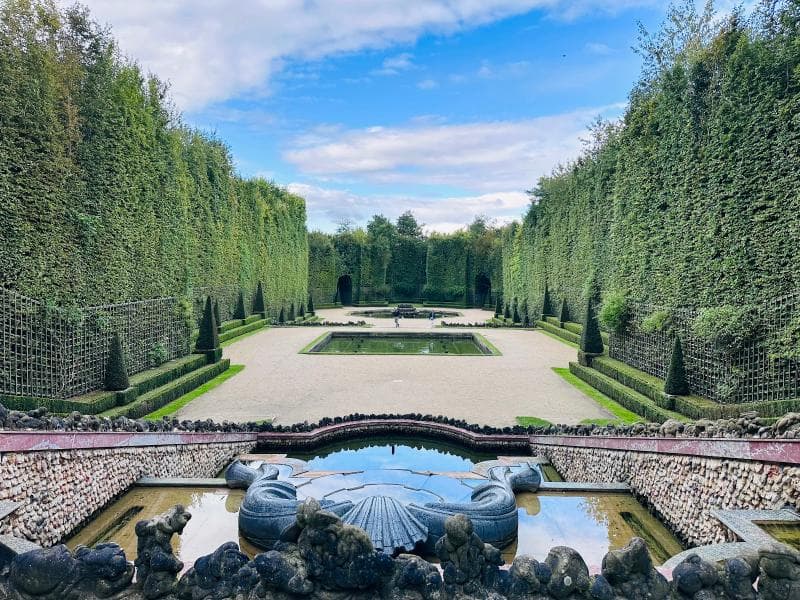
The Gardens of Versailles, a sprawling masterpiece nestled behind the magnificent Palace of Versailles in Versailles, France, are an exemplary display of the French formal garden style. Occupying approximately 800 hectares, these gardens are not merely an adjunct to the royal residence but a monumental work of art in their own right. Designed by the visionary landscape architect André Le Nôtre, they are characterized by their breathtaking symmetry, meticulously sculpted greenery, and grand perspectives that extend to the horizon. Visitors are invited into a world where nature is tamed and artfully arranged to reflect a harmonious blend of beauty and order, embodying the absolute power and artistic aspirations of King Louis XIV.
History & Cultural Background
The origins of the gardens trace back to Louis XIII's formal purchase of the lands in the 1630s, initially featuring a smaller château and formal gardens. However, it was Louis XIV, often known as the Sun King, who embarked on a colossal project to transform Versailles into his primary seat of government and a symbol of French grandeur. Starting in 1661, he commissioned André Le Nôtre, a master of landscape architecture, to expand and redesign the gardens.
Le Nôtre devoted over forty years to this immense undertaking, collaborating with other notable figures like Jean-Baptiste Colbert and Charles Le Brun. The creation of these gardens involved an incredible amount of labor and engineering. Vast quantities of soil had to be moved to level the terrain, marshes were drained, and the Grand Canal was dug. Trees were sourced from various regions across France, and thousands of workers, including entire regiments, contributed to this ambitious endeavor. Louis XIV himself was deeply involved, meticulously reviewing every detail to ensure the gardens projected the majesty and strength of the French monarchy he envisioned.
What Makes It Special
What truly distinguishes the Gardens of Versailles is their adherence to the French formal garden style, or 'jardin à la française', which emphasizes order, symmetry, and the subjugation of nature to human will. The layout is geometrically precise, featuring expansive parterres, formal bosquets, and long, sweeping perspectives that create dramatic visual effects.
The gardens are adorned with an astounding array of features, including approximately 400 statues, making them one of the world's largest open-air sculpture museums. These sculptures, primarily depicting figures from Greco-Roman mythology, were commissioned by Louis XIV and crafted by the era's leading artists.
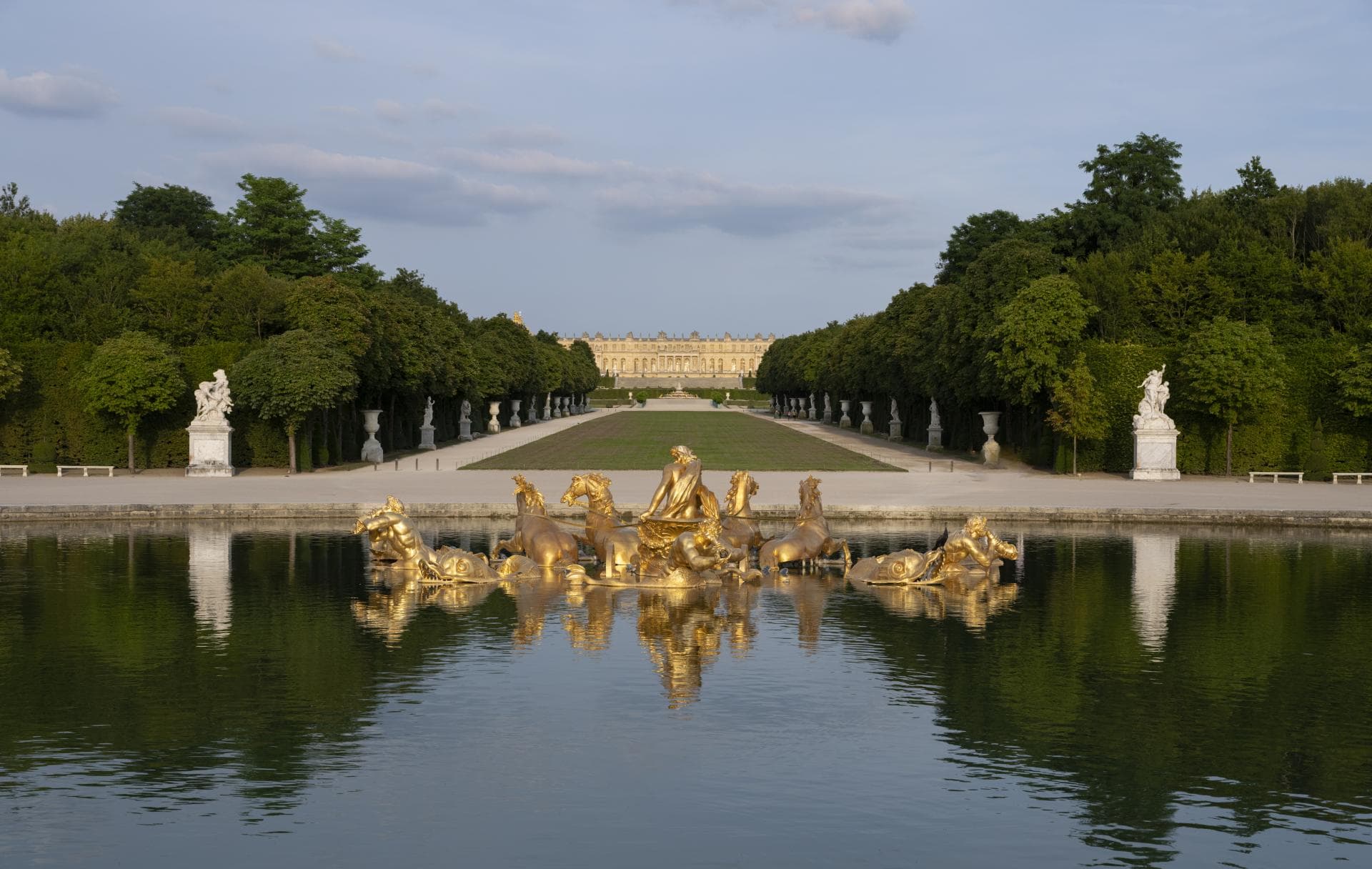
The hydraulic system feeding the numerous fountains is an engineering marvel of its time. Iconic fountains like the Apollo Fountain, depicting the sun god emerging from the water, and the Latona Fountain, illustrating a scene from Ovid's Metamorphoses, are central to the garden's mythological narrative. The immense Grand Canal, stretching 5.57 kilometers, served not only as a visual anchor but also as a stage for royal festivities.
Stories, Fun Facts & Local Details
The construction of the Gardens of Versailles was a monumental effort that spanned over four decades, reflecting the sheer ambition of Louis XIV. Surprisingly, despite the beauty of the carefully cultivated flowers, historical accounts mention that the intense fragrance emanating from the hundreds of thousands of annual plantings could sometimes be overpowering, even causing discomfort to visitors. The Sun King was deeply invested in the design, even writing a guide, 'Manierè de montrer les jardins de Versailles' (How to show the gardens of Versailles), to instruct visitors on the best routes to appreciate his creation.
The Grand Canal, a prominent feature, once hosted gondolas gifted by the Doge of Venice and was the setting for elaborate firework displays during royal celebrations. The secluded groves within the gardens, designed as green 'salons', were used for intimate gatherings, music, and courtly entertainment, offering moments of privacy amidst the grand public spectacle.
Visitor Perspective
Exploring the Gardens of Versailles today offers a captivating journey through history and art. Visitors can wander along the geometrically precise pathways, discover hidden groves, and admire the mythological sculptures and elaborate fountains. The scale and meticulous design are best appreciated by taking ample time to stroll and absorb the atmosphere. For an enhanced experience, consider visiting during the Musical Fountains Shows or the Musical Gardens events, when the fountains are brought to life with water displays choreographed to music. These special events typically occur on specific days from spring to autumn, adding another layer of magic to the visit. The gardens are accessible via various entry points, and an official app with an interactive map is available to help navigate this expansive and intricate landscape.
Coordinates: 2.116, 48.8058
View on Google Maps💬 How Travelers Describe This Place
Based on community votes
Must See
931Interesting
670Unique
655Beautiful
266Photogenic
166
Traveler Stories
Discover memorable experiences shared by travelers who have visited this place.
No traveler stories yet.
Be the first traveler to share what made this place memorable.

Tour
By
Spot
Discover amazing places around the world. Your journey starts here.
Explore
© 2026 TourBySpot. All rights reserved.