Palace Of Holyroodhouse
Edinburgh, United Kingdom
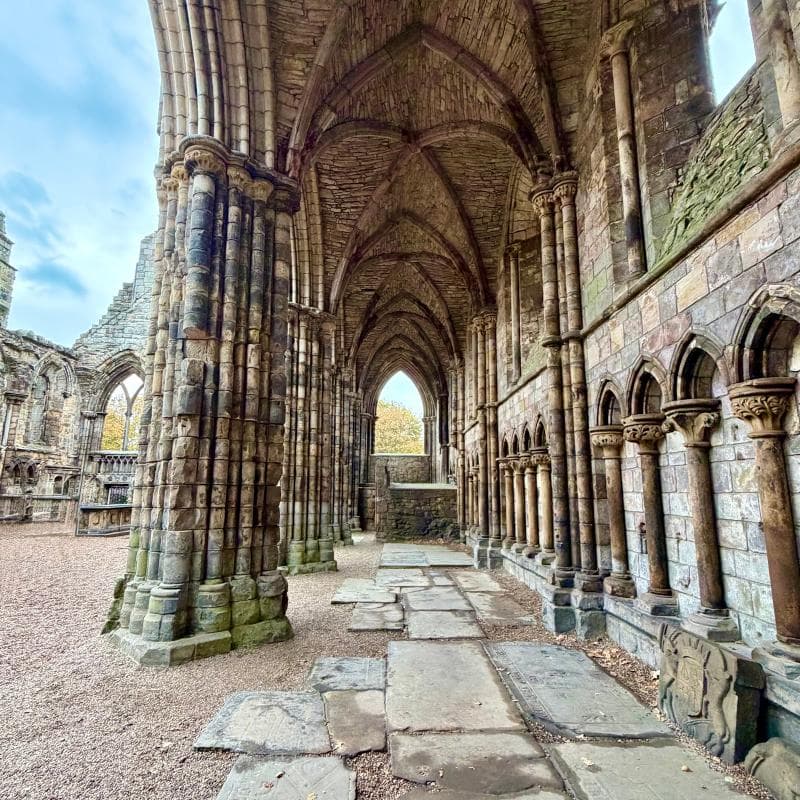
Explore the Palace of Holyroodhouse, the King's official residence in Edinburgh, United Kingdom. Discover centuries of Scottish royal history, from Mary, Queen of Scots to present day.
Overview
The Palace of Holyroodhouse, nestled at the foot of Edinburgh's historic Royal Mile, stands as the King's official residence in Scotland. This majestic palace, with its rich tapestry of history, offers visitors a profound insight into Scotland's royal past and its ongoing connection with the monarchy. While it serves as an active royal palace, particularly during 'Holyrood Week' when the monarch carries out engagements in Scotland, it is also open to the public for much of the year. A visit here transports you through centuries of Scottish drama, from its origins as a medieval abbey to its current role as a working royal palace. Adjoining the palace are the atmospheric ruins of Holyrood Abbey and extensive, beautifully maintained gardens, all set against the dramatic backdrop of Arthur's Seat within Holyrood Park.
History & Cultural Background
The story of Holyroodhouse begins long before the palace itself, with the founding of Holyrood Abbey as an Augustinian monastery by King David I in 1128. Legend has it that the King was saved from a charging stag by a vision of a cross, or 'Holy Rood,' leading him to establish the abbey on that very spot. Over centuries, the abbey prospered and became a significant administrative center.
The palace began to take shape adjacent to the abbey in the early 16th century. King James IV initiated its construction around 1501, anticipating his marriage to Margaret Tudor, sister of Henry VIII. His successor, James V, further enhanced the palace, adding the imposing north-west tower between 1528 and 1532, which remains the oldest surviving section of the current structure. However, it was during the tumultuous reign of Mary, Queen of Scots, from 1561 to 1567, that Holyroodhouse truly entered the annals of dramatic Scottish history. The palace was the setting for her two marriages and the notorious murder of her private secretary, David Rizzio, by her jealous husband Lord Darnley and his conspirators.
Following a period of neglect and damage, notably during Oliver Cromwell's occupation in the mid-17th century, the palace underwent a significant rebuilding between 1671 and 1678 under the direction of Sir William Bruce for King Charles II. This grand Baroque transformation largely established the palace's present appearance, featuring a symmetrical façade and richly decorated royal apartments. In the 20th century, King George V oversaw extensive modernizations, and in 1920, Holyroodhouse was formally designated as the official Scottish residence of the British monarch.
What Makes It Special
What sets the Palace of Holyroodhouse apart is its enduring dual role as a living royal palace and a historical treasure trove. It's not merely a museum but a place where royal history continues to unfold, hosting the King and other members of the Royal Family during their official visits to Scotland. This blend of past and present creates a palpable sense of continuity and tradition. Visitors can explore the magnificent State Apartments, which include the opulent Throne Room used for state occasions and receptions, and the impressive Great Gallery.
The historic apartments of Mary, Queen of Scots, offer a poignant glimpse into her life and tragic reign, retaining much of their 16th-century character. Beyond the palace walls, the serene yet striking ruins of Holyrood Abbey invite contemplation, echoing centuries of worship and royal events, including coronations and burials. The sprawling Palace Gardens provide a peaceful retreat, showcasing seasonal blooms and offering views of the iconic Salisbury Crags and Arthur's Seat. The King's Gallery, located at the palace entrance, regularly presents exhibitions of artworks from the Royal Collection, adding another layer of cultural richness to the visitor experience.
Stories, Fun Facts & Local Details
Holyroodhouse is brimming with captivating stories. Imagine Mary, Queen of Scots, practicing archery in the south gardens or hosting banquets and clandestine meetings within these very walls. The brutal murder of David Rizzio, her Italian secretary, within her private supper room in 1566, is one of the palace's most dramatic and enduring tales. Legend says a dark bloodstain from the event remained on the floor for centuries.
The Great Gallery is particularly striking, lined with 110 portraits of real and legendary Scottish monarchs, commissioned by Charles II. Look closely, and you might spot sword marks on some paintings, supposedly inflicted by government troops after the Battle of Falkirk in 1746, when Bonnie Prince Charlie briefly occupied the palace as his headquarters during the Jacobite rising. He reportedly used the Great Gallery for his audiences and evening balls.
The tradition of royal visits to Scotland was further cemented by King George IV, who made a famous visit in 1822, wearing a specially commissioned Highland dress. It was Queen Victoria who first opened the historic apartments of Holyroodhouse to paying visitors in 1854, allowing the public to connect with this profound piece of Scottish heritage. The palace is also linked to the wider Holyrood area, known for its proximity to the Scottish Parliament Building and the dramatic volcanic hill, Arthur's Seat, making it a focal point of Edinburgh's unique landscape.
Visitor Perspective
A visit to the Palace of Holyroodhouse is a journey through time, offering both a structured and self-paced exploration. To ensure a smooth experience, booking timed tickets online is highly recommended. Audio guides, included with admission, provide comprehensive historical context and fascinating details about the rooms and their former inhabitants, available in multiple languages.
The palace is largely accessible, though some areas, particularly Mary, Queen of Scots' rooms, may have limitations due to their historic nature. It is advisable to check the Royal Collection Trust's official website for specific accessibility information and any potential closures due to royal engagements. Photography is generally not permitted inside the palace, encouraging visitors to immerse themselves fully in the experience rather than through a lens. As you stroll through the State Apartments, the historic rooms, the abbey ruins, and the gardens, you'll gain a deep appreciation for the many lives and pivotal events that have shaped this iconic Scottish landmark. Located at the opposite end of the Royal Mile from Edinburgh Castle, it provides a natural complement to any historical exploration of Edinburgh.
Coordinates: -3.1725, 55.9525
View on Google Maps💬 How Travelers Describe This Place
Based on community votes
Photogenic
547Interesting
336Unique
219Beautiful
186Must See
80
Traveler Stories
Discover memorable experiences shared by travelers who have visited this place.
No traveler stories yet.
Be the first traveler to share what made this place memorable.
Things to see at Palace Of Holyroodhouse



Tour
By
Spot
Discover amazing places around the world. Your journey starts here.
Explore
© 2026 TourBySpot. All rights reserved.