Throne Room
Edinburgh, United Kingdom
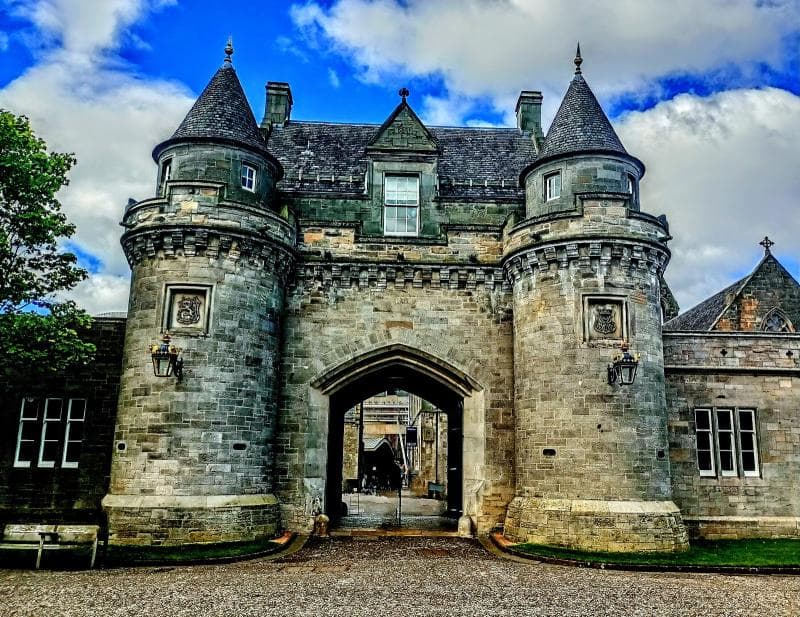
Explore the historic Throne Room at the Palace of Holyroodhouse in Edinburgh, United Kingdom. Discover its royal history and ceremonial significance.
Overview
Stepping into the Throne Room of the Palace of Holyroodhouse in Edinburgh, United Kingdom, offers a profound sense of connection to centuries of Scottish royal history. This impressive chamber, part of the State Apartments, serves as a powerful symbol of the monarchy's enduring presence in Scotland. While perhaps more understated than some other royal throne rooms, its dignity and rich historical associations leave a lasting impression on visitors. Today, it continues to be a venue for significant royal events, grounding the past firmly in the present.
History & Cultural Background
The room we now know as the Throne Room has a fascinating and evolving history within the Palace of Holyroodhouse. Originally, this grand space served as the King's Guard Chamber, a crucial point of security and reception for royal guests. Its transformation began notably in 1822 during the historic visit of King George IV, the first reigning British monarch to visit Scotland in nearly 200 years. For this significant occasion, the room was repurposed as the King's Drawing Room, where a temporary throne and canopy of state were installed.
Later, under the reign of Queen Victoria, the room took on a new domestic role, being used as a dining room. It wasn't until 1871 that it was officially designated and permanently established as the Throne Room. Further enhancements were made in 1911 when King George V commissioned the pair of ceremonial thrones that stand there today, replacing the earlier 1822 version. In 1929, a new decorative ceiling was installed, matching others in the King's Apartments, alongside the addition of oak-panelled walls adorned with important portraits, solidifying its royal grandeur.
What Makes It Special
The Throne Room's unique character stems from its blend of historical evolution and ceremonial function. Dominating the room are the two imposing throne chairs, commissioned by King George V, which sit proudly upon a raised dais. Above them, the intricately carved Royal Arms of Scotland serve as a constant reminder of the room's national significance.
The decor itself contributes to its special atmosphere: rich scarlet carpets line the floor, complemented by lush velvet curtains and elegant oak-panelled walls. The ceiling, updated in 1929, features detailed plasterwork. Adorning the walls are significant royal portraits, including John Michael Wright's depiction of Charles II and Peter Lely's works featuring Catherine of Braganza, James VII, and Mary of Modena. Above the fireplace, visitors can observe a painting of James VI, notably depicted as a scholar rather than in traditional royal garments, offering a unique glimpse into royal representation.
Unlike the more opulent Throne Room at Buckingham Palace, Holyroodhouse's version exudes a more understated, yet equally dignified, majesty, reflecting its Scottish context.
Stories, Fun Facts & Local Details
One of the most celebrated events associated with the Throne Room involves King George IV's visit in 1822. His arrival marked a pivotal moment, as he was the first reigning British monarch in nearly two centuries to set foot in Scotland. During his stay, George IV famously donned a Royal Stewart tartan kilt, a gesture that greatly endeared him to the Scottish people and helped popularise tartan. A portrait of him in this memorable attire, painted by Sir David Wilkie, can be seen in the Royal Dining Room of the Palace.
In more recent times, the Throne Room held special significance for Queen Elizabeth II. During 'Holyrood Week,' her annual stay in Scotland, she would host a special luncheon in this very room for the Knights and Ladies of the Order of the Thistle, Scotland's highest order of chivalry. This tradition underscored the room's ongoing role in national ceremonies and its direct connection to the monarch. The presence of chandeliers and wall sconces further illuminate the space, enhancing its ceremonial ambiance.
Visitor Perspective
For visitors exploring the Palace of Holyroodhouse, the Throne Room offers a tangible link to Scotland's royal heritage. Standing in a space where kings and queens have received dignitaries and presided over state occasions evokes a powerful sense of history. It allows one to imagine the pageantry and political dramas that unfolded within these walls over the centuries. As part of the State Apartments, it provides a crucial context for understanding the role of the monarchy in Scotland, both historically and in the present day. When not in use for official functions, the room is generally open to the public, offering a rare opportunity to step into a living piece of royal history.
Coordinates: -3.1725, 55.9525
View on Google Maps💬 How Travelers Describe This Place
Based on community votes
Interesting
639Photogenic
526Beautiful
421Unique
366Must See
212
Traveler Stories
Discover memorable experiences shared by travelers who have visited this place.
No traveler stories yet.
Be the first traveler to share what made this place memorable.

Tour
By
Spot
Discover amazing places around the world. Your journey starts here.
Explore
© 2026 TourBySpot. All rights reserved.