State Apartments
Edinburgh, United Kingdom
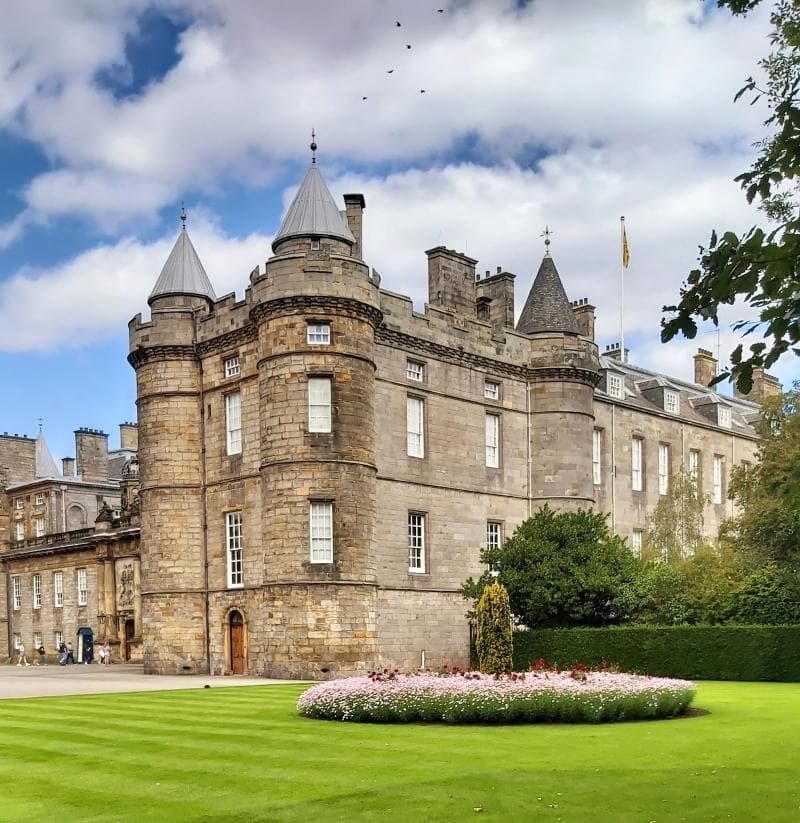
Explore the State Apartments of the Palace of Holyroodhouse in Edinburgh, UK, steeped in Scottish royal history and grand design.
Overview
Nestled at the foot of Edinburgh's historic Royal Mile, the Palace of Holyroodhouse serves as the official residence of the British monarch in Scotland. Within this majestic palace, the State Apartments offer a rare glimpse into centuries of royal life, diplomacy, and grand entertaining. These lavishly adorned rooms are open to the public for much of the year, providing an intimate connection to Scotland's rich royal heritage. They are the setting for state occasions and official functions, reflecting the palace's enduring role as a working royal residence.
Visitors step into a world where history comes alive, surrounded by magnificent art, exquisite furnishings, and the echoes of past monarchs. From the grand processional route to the more intimate chambers, the State Apartments showcase the evolving tastes of successive royals and the significant events that unfolded within these walls. They stand in contrast to, yet complement, the older historic apartments of Mary, Queen of Scots, located in the palace's northwest tower, making Holyroodhouse a destination rich in diverse historical narratives.
History & Cultural Background
The Palace of Holyroodhouse has roots stretching back to 1128, when King David I founded an Augustinian Abbey on the site. Over centuries, a royal residence gradually developed beside it. James IV initiated the construction of a Gothic palace between 1501 and 1505, laying the groundwork for what would become Holyroodhouse, particularly in conjunction with his marriage to Margaret Tudor, sister of Henry VIII.
A significant expansion occurred under James V between 1528 and 1536, who added the substantial northwest tower, which is the oldest surviving part of the palace today. However, the State Apartments as they largely appear today were primarily the result of a major rebuilding project initiated by Charles II between 1671 and 1678. Led by architect Sir William Bruce, this transformation created the grand Baroque palace with its symmetrical facades and ornate interiors. Despite commissioning this elaborate redesign, Charles II never actually visited the palace. The State Apartments were initially intended for the King's Commissioner and for state entertaining, establishing their ceremonial purpose from the outset.
What Makes It Special
The State Apartments are renowned for their exceptional decorative artistry and the stories they tell. Walking through them, one can appreciate the progression in grandeur, culminating in the King's Bedchamber, historically reserved for audiences with the most important guests. The rooms boast spectacular plasterwork ceilings and an impressive collection of French and Flemish tapestries, acquired largely during the 17th century.
Among the highlights is the Great Gallery, a vast room that once served as a state dining room but is now used for investitures and official receptions. It is famously adorned with 89 portraits of real and legendary Scottish kings, commissioned by Charles II, offering a visual timeline of Scotland's monarchy. The Throne Room hosts lunches for the Knights and Ladies of the Order of the Thistle, Scotland's highest order of chivalry, during the annual Holyrood Week. The Privy Chamber, created for Charles II, was used for private audiences with dignitaries and reflects the working nature of the palace.
Stories, Fun Facts & Local Details
One of the most intriguing facts about the State Apartments is that King Charles II, who ordered their extensive rebuilding to create the magnificent structure we see today, never actually visited the palace he commissioned. This grand residence was intended to project royal authority and provide suitable accommodation for his representatives in Scotland.
While distinct from the 17th-century State Apartments, the nearby historic apartments of Mary, Queen of Scots, located in James V's tower, are often visited concurrently and are steeped in dramatic tales. A particularly famous, albeit macabre, legend surrounds Mary's Outer Chamber, where a reddish stain on the floor is said to be the indelible bloodstain from the murder of her private secretary, David Rizzio, in 1566. Legend claims the stain reappears despite all efforts to remove it.
The palace also holds more subtle secrets, like a hidden door within the wood paneling of the Long Gallery, believed to have provided discreet access for staff or courtiers during royal events, adding another layer to its historical mystique.
Visitor Perspective
Visiting the State Apartments provides a deeply immersive experience into royal history. Unlike some other grand palaces, Holyroodhouse often feels more personal and less overtly staged, offering a genuine sense of connection to its past inhabitants. The self-guided audio tour helps visitors navigate the rich narratives and understand the significance of each room.
The palace is typically open year-round, closing only when members of the Royal Family are in residence, particularly during Holyrood Week in late June or early July. While Mary, Queen of Scots' rooms in the older part of the palace might have some accessibility limitations due to their historic nature, the main State Apartments are generally accessible. Most visitors find themselves spending around two to three hours exploring the State Apartments, the ruins of Holyrood Abbey, and the palace gardens, making it a comprehensive and enriching historical journey.
Coordinates: -3.1725, 55.9525
View on Google Maps💬 How Travelers Describe This Place
Based on community votes
Beautiful
551Must See
547Photogenic
421Unique
298Interesting
212
Traveler Stories
Discover memorable experiences shared by travelers who have visited this place.
No traveler stories yet.
Be the first traveler to share what made this place memorable.

Tour
By
Spot
Discover amazing places around the world. Your journey starts here.
Explore
© 2026 TourBySpot. All rights reserved.