Olympiapark
Munich, Germany
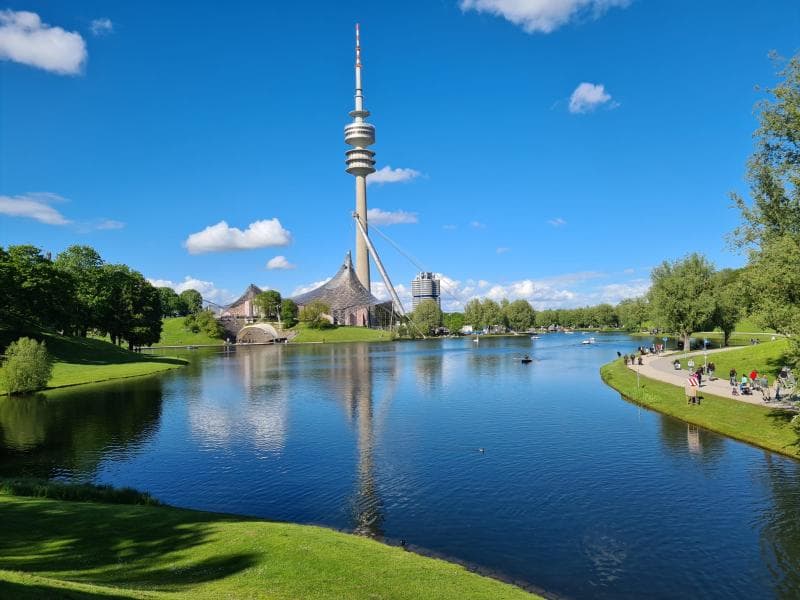
Discover Olympiapark Munich, Germany's iconic venue for the 1972 Summer Olympics. Explore its unique tent-roof architecture, lush green spaces, and vibrant event scene.
Overview
The Olympiapark in Munich, Germany, stands as a remarkable testament to modern urban planning and architectural innovation, born from the spirit of the XX Summer Olympic Games in 1972. More than fifty years on, it remains a vibrant, multifaceted hub that seamlessly blends historical significance with contemporary life. Visitors will discover a sprawling green oasis serving as a cherished recreational area for locals and a captivating destination for travelers. The park is instantly recognizable by its distinctive, sweeping tent-roof construction, an architectural marvel that drapes gracefully over key venues like the Olympiastadion and Olympiahalle.
Beyond its iconic structures, Olympiapark offers a dynamic landscape featuring rolling hills, a tranquil lake, and vast open spaces. It consistently hosts a diverse array of events, from international sporting competitions and major music concerts to cultural festivals, ensuring there is always something happening. Whether you are interested in exploring its Olympic legacy, enjoying a peaceful afternoon amidst nature, or attending a world-class event, Olympiapark presents a unique and engaging experience in the heart of Munich.
History & Cultural Background
The story of Olympiapark begins with a vision for the 1972 Summer Olympics, a moment when West Germany aimed to present a new, democratic, and open image to the world, consciously contrasting with the 1936 Berlin Games. Constructed between 1967 and 1972, the park rose from what was once the Oberwiesenfeld, an area that significantly included a large debris mound from World War II bombings of Munich. This transformation of war remnants into a symbol of peace and recreation is deeply embedded in its cultural significance.
The architectural team, led by Günter Behnisch and including Frei Otto for the groundbreaking tent-roof design, along with landscape architect Günther Grzimek, shaped the park's unique identity. Their collaborative effort created an ensemble that integrated buildings harmoniously with the landscape, embodying the Games' motto: 'The Cheerful Games' (Die Heiteren Spiele). The visual identity, including the globally recognized pictograms, was masterfully crafted by designer Otl Aicher, contributing to a cohesive and modern aesthetic. While the Games themselves were marred by a tragic attack, the park also includes memorial sites that encourage reflection and remembrance. Recognized for its historical and architectural value, Olympiapark has been listed as an ensemble in the Bavarian Monument List since 1998 and is currently on Germany's tentative list for UNESCO World Heritage status.
What Makes It Special
Olympiapark's enduring appeal lies in several unique elements, primarily its pioneering architecture. The most striking feature is the expansive, undulating tent-roof construction, a masterpiece of lightweight wide-span structures designed by Frei Otto and Behnisch & Partner. Inspired by the nearby Alps, this transparent roof symbolizes openness, lightness, and a democratic spirit, becoming an iconic representation of post-war German modernism.
Equally remarkable is the park's seamless integration with its landscape. Instead of imposing structures, the main venues are subtly embedded into the natural topography, utilizing the former debris mound to create the picturesque Olympiaberg (Olympic Mountain). This thoughtful design blurs the lines between built environment and nature, fostering an inviting atmosphere. The park's versatility is another key aspect; it is not merely a historical monument but a living, breathing space. It continually serves as a world-class venue for major international sporting events, such as European Championships in football and athletics, and has hosted legendary concerts by global stars including The Rolling Stones and Michael Jackson. Beyond events, Olympiapark offers immense recreational value with its vast green spaces, the serene Olympiasee (Olympic Lake), and numerous pathways perfect for walking, jogging, or simply relaxing.
Stories, Fun Facts & Local Details
Many fascinating details enrich the experience of Olympiapark. The Olympiaberg, offering panoramic views of Munich and, on clear days, the Alps, is not a natural formation but an artificial hill constructed from the rubble of buildings destroyed during World War II. This transformation of destruction into a scenic viewpoint is a powerful symbol of rebirth.
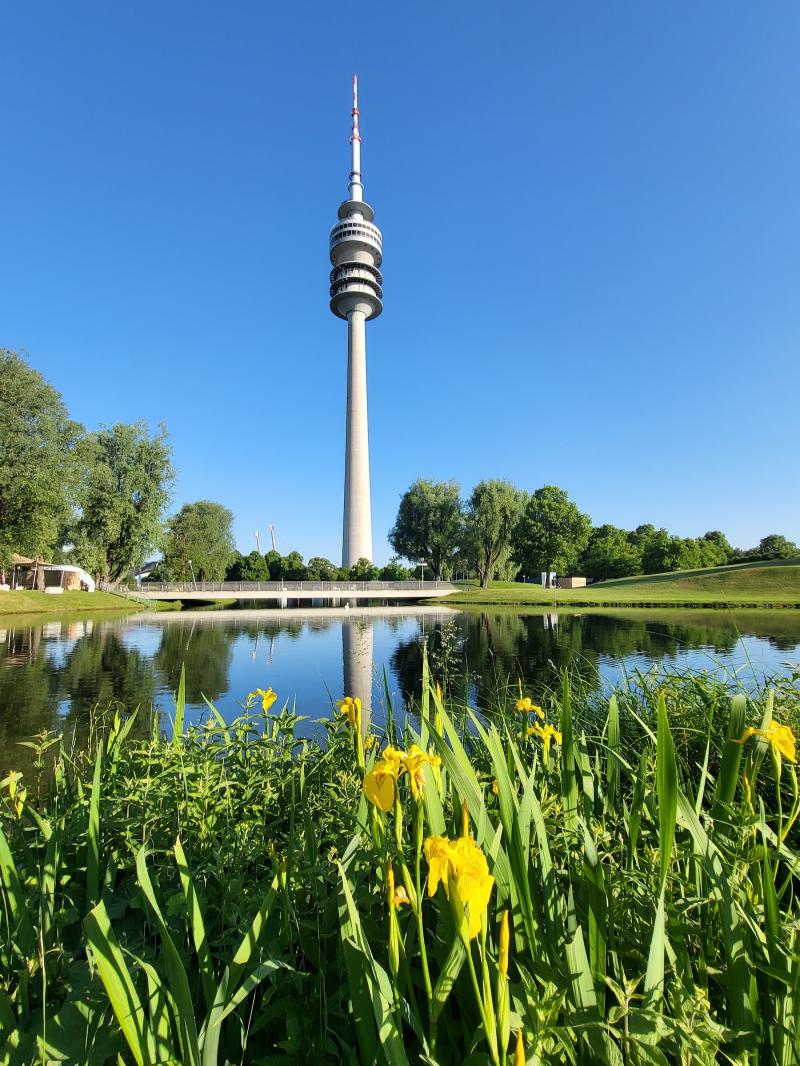
The visionary tent-roof architecture drew inspiration from earlier innovative designs, including the German Pavilion at Expo '67 in Montreal, a temporary structure also co-designed by Frei Otto. The 1972 Olympic Games were promoted under the theme of 'Green Olympic Games,' emphasizing a natural environment and efficient connections between venues, a concept that heavily influenced the park's design. Along the shores of Olympiasee, visitors can find the Munich Olympic Walk of Stars, where famous personalities from music and sports have left their handprints, signatures, and personal messages in concrete. A heartwarming detail from the 1972 Games is that some participating nations not only sent their athletes but also contributed trees to be planted in the park, fostering a living legacy of international camaraderie. Although currently closed for renovation until October 2027, the Olympiaturm (Olympic Tower) once housed a unique Rock Museum, which has since transitioned to a virtual format, and features a revolving restaurant offering breathtaking city views.
Visitor Perspective
For any curious traveler, Olympiapark offers an experience that blends exploration, relaxation, and activity into one memorable visit. Navigating the park is a delight, whether you choose to stroll along its winding paths, rent a pedal boat on the Olympiasee, or visit the Sea Life aquarium for an underwater journey. While the Olympiaturm is temporarily closed for renovations, the summit of Olympiaberg provides an excellent alternative for capturing expansive, postcard-worthy views of the park, the city, and the distant Alpine peaks. The park's layered history and innovative design can be further appreciated through various guided tours, including architectural walks and panorama tours, which offer deeper insights into its creation and evolution.
Accessing this marvel is remarkably simple; the U3 subway line directly serves the 'Olympiazentrum' station, placing you right at the heart of the park's entrance. Olympiapark is more than just a former Olympic site; it is a dynamic urban landscape where historical echoes meet vibrant contemporary life, providing a rich tapestry of experiences for every visitor.
Coordinates: 11.549334, 48.174286
View on Google Maps💬 How Travelers Describe This Place
Based on community votes
Must See
934Beautiful
276Photogenic
152Unique
30Interesting
16
Traveler Stories
Discover memorable experiences shared by travelers who have visited this place.
No traveler stories yet.
Be the first traveler to share what made this place memorable.
Things to see at Olympiapark






Tour
By
Spot
Discover amazing places around the world. Your journey starts here.
Explore
© 2026 TourBySpot. All rights reserved.