Olympic Hall
Munich, Germany
Overview
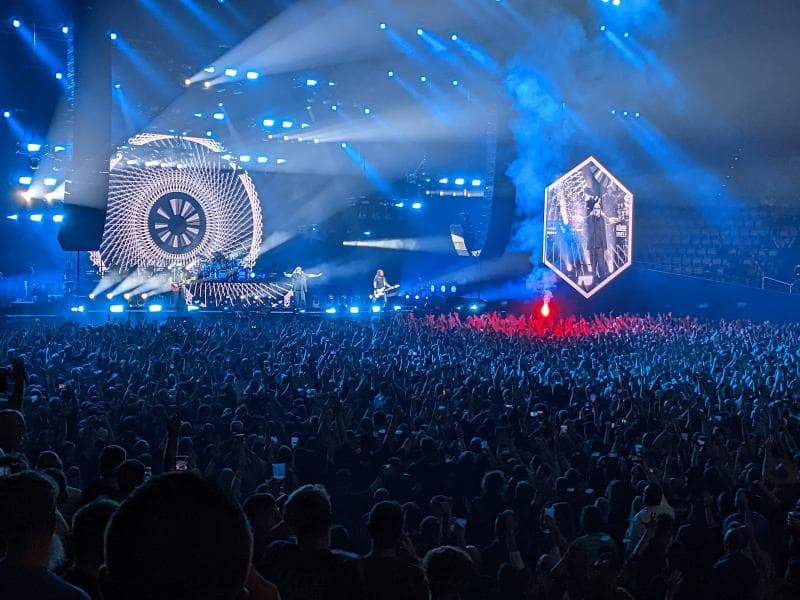
Nestled within the sprawling, verdant landscape of Olympiapark in Munich, Germany, the Olympic Hall, or Olympiahalle as it is known locally, stands as a premier multi-purpose indoor arena. Far more than just a venue, it is a dynamic heart of entertainment and sport, constantly pulsating with energy from a diverse calendar of events. With a capacity that can welcome between 12,500 and 15,500 spectators, depending on the event configuration, it plays host to everything from electrifying rock concerts by global superstars to prestigious international sporting championships, fascinating exhibitions, and vibrant trade fairs. It is an integral part of Munich's modern identity, reflecting both its rich Olympic past and its vibrant cultural present.
History & Cultural Background
The story of the Olympic Hall is intrinsically linked with the 1972 Summer Olympics held in Munich. Constructed specifically for this grand international event, the Olympiahalle officially opened its doors on August 27, 1972. It served as a pivotal venue during the Games, hosting the intense gymnastics competitions and thrilling handball finals. The architectural vision for the Olympiapark, including the Hall, was groundbreaking, led by the renowned team of Behnisch & Partner and Frei Otto. Their design aimed to create a 'peaceful and joyful games' atmosphere, a stark contrast to Germany's previous Olympic history. The entire park, including the Hall, was built on war debris from World War II, a symbolic transformation of the past into a space for future generations to enjoy. The deliberate integration of the Hall into the landscape, partly as a hollow, makes its substantial 45-meter height appear less imposing, a testament to its thoughtful design.
What Makes It Special
What truly sets the Olympic Hall apart is its architectural marvel and unparalleled versatility. It is an integral component of the Olympiapark's world-famous tent roof structure, a pioneering example of lightweight tensile architecture designed by Frei Otto and Günther Behnisch. This iconic cable-net Plexiglas roof, which unifies the stadium, swimming hall, and Olympic Hall, is a landmark in its own right, celebrated for its elegance and engineering innovation. The Olympiahalle was deliberately conceived as a multi-purpose hall for extensive post-Olympic use, a vision that has been remarkably successful. Its impressive adaptability allows it to seamlessly transform its interior for diverse events, from the intimate setting required for classical concerts to the expansive stage for major rock acts or the specialized surfaces for world-class sporting championships. This adaptability is enhanced by countless stage and lighting variations, ensuring a unique experience for every visitor. Significant modernizations, including a major overhaul in 2009 and further upgrades between 2018 and 2020, have kept the venue cutting-edge while meticulously preserving its original 1972 aesthetic, respecting its status as a monument.
Stories, Fun Facts & Local Details
Over the decades, the Olympiahalle has etched itself into the memories of millions, hosting a staggering number of events—more than 3,378 events and 34.6 million spectators by December 2024. It has witnessed legendary performances, such as Led Zeppelin's Munich debut in 1973 and one of their final shows before John Bonham's passing in 1980. Music legends like Elton John, Eric Clapton, and Ed Sheeran have graced its stage, alongside German stars like Helene Fischer. Beyond music, it has been the battleground for world championships in ice hockey, figure skating, and hosted the European Basketball Championships. A fun local detail is the existence of the 'Kleine Olympiahalle' (Small Olympic Hall), an underground sibling venue opened in 2011, offering space for up to 3,600 visitors and connected to the main hall by a tunnel. This smaller hall provides even more flexibility for exhibitions and more intimate concerts. The entire Olympiapark complex encourages exploration; visitors can stroll through the park, visit the Olympic Tower for breathtaking city views (though currently closed for renovation, alternatives like the Skylift offer similar panoramas), or even walk the 'Munich Olympic Walk of Stars' along the Olympic Lake.
Visitor Perspective
For any traveler exploring Munich, a visit to the Olympic Hall, whether for an event or just to admire its architecture, is a must. The hall is conveniently located within the Olympiapark, easily accessible by public transport, making it a stress-free destination for event-goers. Stepping inside, visitors are greeted by a venue that, despite its grand scale, offers a surprisingly intimate atmosphere due to its thoughtful design and modern amenities. The experience of attending an event here is often described as unique, thanks to its versatile setup and high-quality sound and lighting systems. Beyond the events themselves, the surrounding Olympiapark offers a wealth of recreational opportunities. You can enjoy a leisurely stroll, take in the impressive tent roof architecture, or simply relax in one of Munich's most beautiful green spaces before or after a show. It's a place where you can feel the echoes of Olympic history while enjoying world-class contemporary entertainment, embodying Munich's blend of tradition and modernity.
Coordinates: 11.55, 48.175
View on Google Maps💬 How Travelers Describe This Place
Based on community votes
Beautiful
836Unique
797Photogenic
396Interesting
286Must See
255
Traveler Stories
Discover memorable experiences shared by travelers who have visited this place.
No traveler stories yet.
Be the first traveler to share what made this place memorable.

Tour
By
Spot
Discover amazing places around the world. Your journey starts here.
Explore
© 2026 TourBySpot. All rights reserved.