Event Venues
Munich, Germany
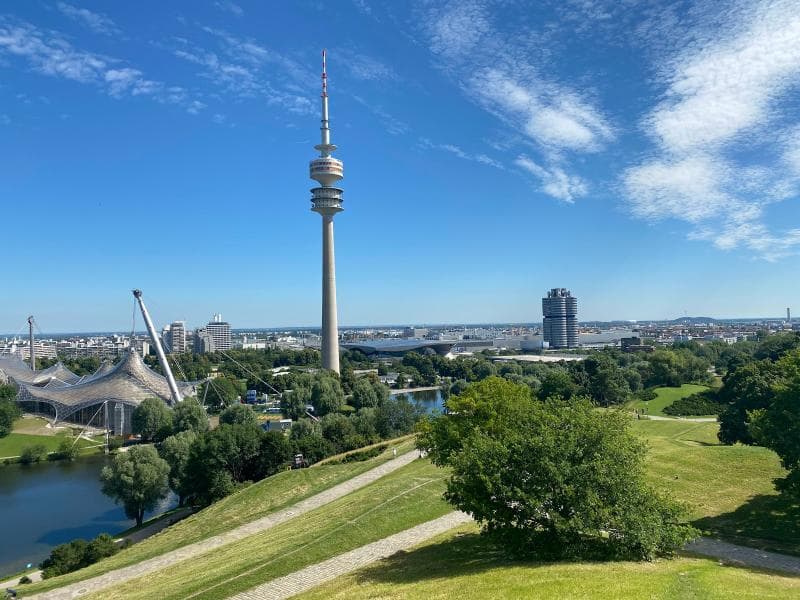
Explore Olympiapark's iconic event venues in Munich, Germany. Discover its Olympic history, stunning architecture, and vibrant cultural scene.
Overview
Olympiapark in Munich, Germany, stands as a sprawling testament to modern design and enduring purpose, originally conceived for the 1972 Summer Olympics. Far more than just a historical landmark, this iconic complex has evolved into a vibrant, year-round hub for a diverse array of events, drawing millions of visitors annually. Its distinct architecture, particularly the famed tent-like roof structure, immediately captures the eye, integrating seamlessly with the surrounding natural landscape. The park encompasses several world-renowned event venues, including the majestic Olympiastadion (Olympic Stadium), the versatile Olympiahalle (Olympic Hall), the more intimate Kleine Olympiahalle (Small Olympic Hall), and the open-air Theatron, all of which continue to host everything from international sports competitions and rock concerts to cultural festivals and public gatherings.
Today, Olympiapark skillfully balances its Olympic heritage with its contemporary role as a recreational space and cultural center, offering both locals and travelers a unique blend of historical significance, architectural marvels, and a dynamic event calendar.
History & Cultural Background
The genesis of Olympiapark began in 1966 when Munich was chosen to host the XX Summer Olympic Games. The city embarked on an ambitious project to transform the former Oberwiesenfeld, an area previously used as an airfield and later a rubble dump after World War II, into a symbol of a new, democratic Germany.
The vision was for 'Green Olympic Games,' emphasizing democratic ideals, openness, and harmony with nature. Architects Frei Otto and Günther Behnisch designed an architectural masterpiece, with the most striking feature being the massive, transparent Plexiglas tent roof that elegantly drapes over the Olympic Stadium, Olympic Hall, and Olympic Swimming Hall. This groundbreaking structure, completed between 1968 and 1972, was a conscious departure from the monumental and oppressive architecture of previous Olympic Games, signaling a forward-looking, open society.
While the Games were largely a success, they were tragically overshadowed by the Munich Massacre on September 5, 1972, a somber event that remains a significant, painful part of the park's history. Memorials within the park serve as a poignant reminder of the victims. Since 2021, Olympiapark has been on Germany's tentative list for UNESCO World Heritage status, a recognition of its international significance as an architectural and landscape design ensemble.
What Makes It Special
What truly sets Olympiapark apart is its unparalleled combination of groundbreaking architecture and its remarkably successful, continuous post-Olympic use, serving as a global model for Olympic legacies. The distinctive tent roof, often described as an artistic marvel, creates a sense of lightness and transparency, embodying the democratic spirit it was designed to represent.
The park's venues are incredibly versatile. The Olympiastadion, once the main Olympic arena, has hosted countless open-air concerts by international stars, major sporting championships, and even served as the home stadium for renowned football clubs FC Bayern München and TSV 1860 München until 2005. The Olympiahalle is a multi-purpose indoor arena famous for concerts, major sporting events like ice hockey and gymnastics, and exhibitions, boasting a capacity of up to 15,500. For smaller events, the Kleine Olympiahalle provides a flexible space for up to 3,600 visitors. The Theatron, an amphitheater by the Olympic Lake, regularly hosts free open-air concerts and cultural events during the summer.
Beyond its structures, the park's integration with its hilly, green landscape and artificial lake offers a unique environment where urban activity and natural tranquility coexist, making it a beloved recreational area year-round.
Stories, Fun Facts & Local Details
Olympiapark is rich with fascinating stories and local charm. One beloved detail is Waldi, the colorful dachshund, who was the first official mascot of the Summer Olympic Games in modern times back in 1972. Designed by graphic artist Elena Winschermann, Waldi was seen as agile, resilient, and a typical Munich pet.
The Theatron earned a spot in the Guinness Book of Records for hosting the world's longest music festival, running for an impressive 32 consecutive days. For those who enjoy a unique vantage point, the Olympiaberg (Olympic Mountain) not only offers splendid views over Munich and the Alps but also hosts the Olympia-Alm, considered Munich's highest beer garden, a perfect spot to relax after a climb. Until recently, adventurous visitors could even partake in roof climbing tours across the Olympic Stadium's canopy, culminating in a thrilling zip-line ride over the arena or an abseil into the stadium, though this is currently paused due to renovations.
A quirky architectural detail of the Olympic Swimming Hall is how the cobbled paths leading to the venue continue under the canopy right up to the seating area, creating the unique impression of walking directly from the street to one's seat.
Visitor Perspective
For a curious traveler, visiting Olympiapark offers a multifaceted experience, blending historical exploration with modern entertainment and leisure. The park is easily accessible via Munich's U-Bahn system, with the U3 line stopping directly at the Olympiazentrum station.
The park grounds themselves are open 24/7, inviting strolls, jogging, and cycling through its picturesque paths and along the Olympic Lake. While individual venue hours vary, the expansive green spaces are always welcoming. Though the iconic Olympiaturm (Olympic Tower) offering breathtaking panoramic views is undergoing renovation until 2027, the park still provides ample opportunities for exploration and enjoyment. Visitors can tour the Olympic Stadium (when not under renovation) to appreciate its architecture, or simply relax by the lake.
Beyond the main venues, the park hosts numerous annual events such as the vibrant Midsummer Night's Dream festival with fireworks and live acts, and the Summerfestival, ensuring there's almost always something exciting happening. Nearby attractions like Sea Life Munich and the BMW Welt and Museum also provide additional exploration opportunities, making Olympiapark a destination where history, culture, sports, and relaxation converge.
Coordinates: 11.55, 48.17
View on Google Maps💬 How Travelers Describe This Place
Based on community votes
Unique
995Photogenic
839Beautiful
603Must See
581Interesting
388
Traveler Stories
Discover memorable experiences shared by travelers who have visited this place.
No traveler stories yet.
Be the first traveler to share what made this place memorable.

Tour
By
Spot
Discover amazing places around the world. Your journey starts here.
Explore
© 2026 TourBySpot. All rights reserved.