Old City Gate
Cancún, Mexico
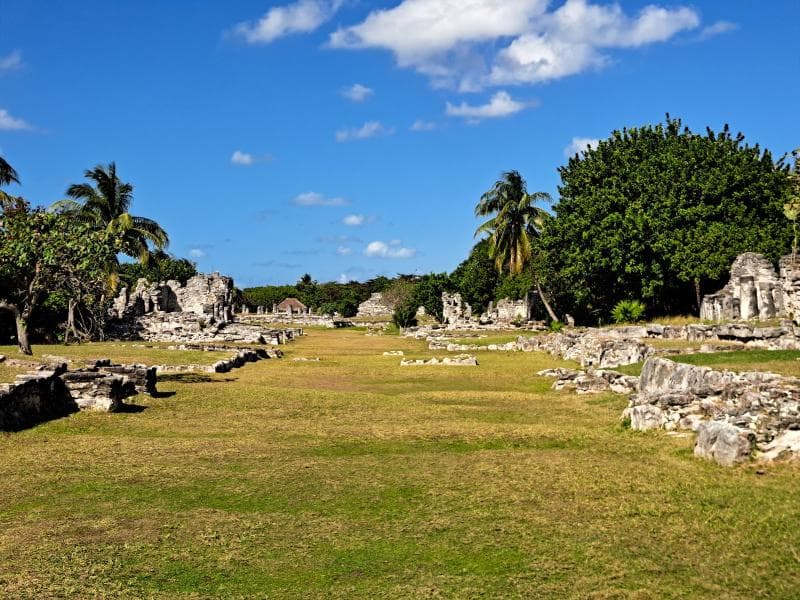
Explore Cancún's ancient past through the Mayan archaeological sites of El Rey and San Miguelito, offering a unique historical 'city gate' experience in Mexico.
Overview
When one envisions Cancún, images of pristine white-sand beaches, turquoise waters, and vibrant resorts often come to mind. It's a city renowned for its modern tourism, thoughtfully planned and developed starting in the early 1970s. Yet, beneath this contemporary veneer lies a deeper, ancient history, subtly revealed through archaeological sites that serve as compelling 'old city gates' to a past civilization. While Cancún does not possess a traditional 'old city gate' in the European sense, its rich historical tapestry is best explored through the ancient Mayan ruins scattered within and around its modern expanse. These sites, particularly El Rey and San Miguelito, offer a unique window into the pre-Columbian world, acting as symbolic gateways to Cancún's millennia-old heritage.
These archaeological zones, nestled surprisingly close to the bustling hotel zone, represent the earliest forms of organized settlements in the region. They invite curious travelers to step beyond the resort experience and discover the profound cultural roots of the Yucatán Peninsula. Through their weathered stones and intricate structures, visitors can connect with the legacy of the Maya people, who thrived in this Caribbean paradise long before its modern transformation.
History & Cultural Background
The area now known as Cancún was not always a bustling international destination. Before the planned development of modern Cancún in the 1970s, the region was sparsely inhabited, though it held significant importance for the ancient Maya. Archaeological evidence, such as the sites of El Rey and San Miguelito, proves that the Maya occupied this land for centuries, demonstrating a sophisticated understanding of their environment and a thriving cultural presence.
El Rey, meaning 'The King,' is one of Cancún's most significant archaeological sites. It was primarily a small working fisherman's settlement, flourishing between approximately 200 and 1200 AD. The site comprises 47 structures, including small pyramids, temples, and ruined palaces, indicating its past religious and civil importance. The name 'El Rey' comes from a sculpted head or mask discovered there, believed to represent a high-ranking individual.
Just a short distance away, San Miguelito offers further insights into Mayan life. Dating back to the 13th century, this site was once an important Mayan settlement and a vital trade route along the eastern Yucatán Peninsula. Its structures suggest that families lived here in the years leading up to the Spanish conquest, providing a glimpse into the daily lives of the ancient inhabitants. The presence of these sites underscores that the breathtaking natural beauty of Cancún was appreciated and utilized by advanced societies long before it became a global tourist magnet.
What Makes It Special
What truly sets El Rey and San Miguelito apart is their remarkable integration into the modern urban landscape of Cancún. Unlike many remote archaeological sites, these ruins are conveniently located within the Hotel Zone, making them incredibly accessible for visitors. This proximity creates a striking contrast: ancient stone structures stand silently amidst the backdrop of contemporary hotels and vibrant tourist activity, offering a unique juxtaposition of past and present.
These sites, while perhaps not as grand in scale as a Chichén Itzá or Tulum, offer an intimate and often less crowded experience. They provide a tangible connection to the region's earliest inhabitants, allowing travelers to walk through remnants of temples and dwellings where Maya people lived, worshipped, and traded. The opportunity to explore these ancient 'gateways' to history without venturing far from the city's main attractions is a special highlight of a Cancún visit.
Stories, Fun Facts & Local Details
The name 'El Rey' itself holds a fascinating story, stemming from the discovery of a ceremonial mask or effigy that led excavators to name the site 'The King.' Imagine the thrill of archaeologists uncovering the burial site of what was likely a high-ranking person, revealing secrets of an ancient community that once thrived on fishing and maritime trade. The El Rey ruins are also home to various bird and reptile species, turning the historical grounds into a small, unexpected wildlife sanctuary.
San Miguelito, meanwhile, is notable for its impressive three-story pyramid and murals that depict marine life such as turtles and fish. Its strategic location once connected it to crucial trade routes, emphasizing the Maya's sophisticated network across the Caribbean coast and to Isla Mujeres. Visitors to San Miguelito can also enhance their experience by visiting the adjacent Maya Museum of Cancún, which houses an extensive collection of artifacts from various important Mayan sites, providing broader context to the local ruins. This combination allows for a deeper understanding of the Maya's enduring legacy in the region.
Visitor Perspective
For the curious traveler, visiting El Rey and San Miguelito offers a refreshing shift in perspective from Cancún's typical beach-centric activities. These sites are easily reachable, often just a short bus ride or walk from many hotels in the Hotel Zone. Entering these archaeological zones feels like stepping through a portal, from the modern world into an ancient past.
Travelers are encouraged to wear comfortable shoes, a hat, and sunscreen, and bring bottled water, especially given the tropical climate. The uncrowded pathways and the ability to explore at one's own pace make for a contemplative experience. While not boasting the monumental scale of more famous ruins, the charm of El Rey and San Miguelito lies in their intimacy and accessibility. They serve as essential educational stops, proving that Cancún is much more than just a resort town; it is a place with deep historical roots, offering invaluable glimpses into the magnificent Mayan civilization that once called this Caribbean paradise home.
Coordinates: -86.77278, 21.06861
View on Google Maps💬 How Travelers Describe This Place
Based on community votes
Photogenic
954Beautiful
946Must See
439Unique
92Interesting
66
Traveler Stories
Discover memorable experiences shared by travelers who have visited this place.
No traveler stories yet.
Be the first traveler to share what made this place memorable.
Things to see at Old City Gate



Tour
By
Spot
Discover amazing places around the world. Your journey starts here.
Explore
© 2026 TourBySpot. All rights reserved.