Sacred Cenote
Cancún, Mexico
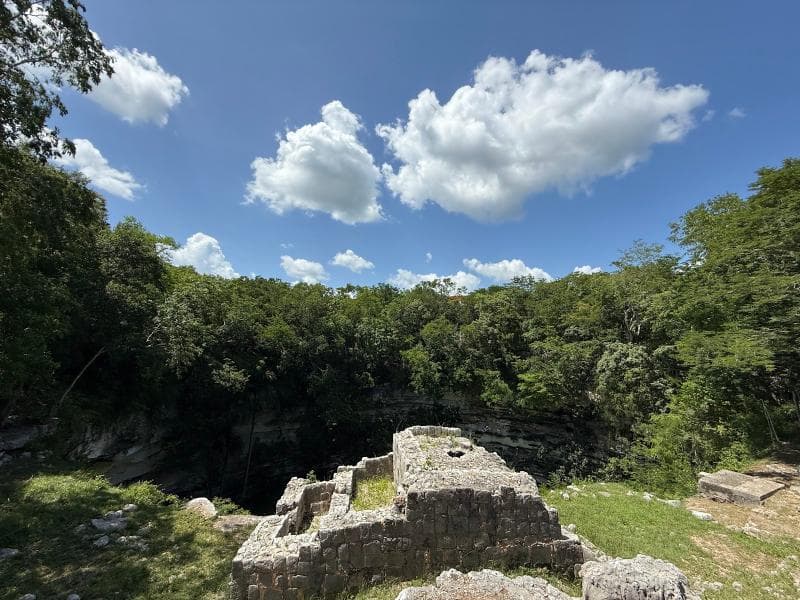
Explore the sacred cenotes of Mexico's Yucatán Peninsula near Cancún. Discover their deep Mayan history, cultural significance, and stunning natural beauty.
Overview
The Yucatán Peninsula of Mexico is renowned for its enchanting cenotes—natural freshwater sinkholes that served as vital water sources and sacred sites for the ancient Maya civilization. While you might be researching a specific 'Sacred Cenote' located within an 'Old City Gate' in Cancún, it is important to clarify that this particular combination of a named 'Sacred Cenote' inside a distinct 'Old City Gate' is not a widely recognized or documented landmark in Cancún, a city primarily developed for tourism starting in the 1970s. The most famous 'Sacred Cenote' (Cenote Sagrado) is unequivocally located at the ancient Mayan archaeological site of Chichen Itza, which is a significant drive from Cancún, in the state of Yucatán.
Nevertheless, Cancún serves as a gateway to the broader Yucatán Peninsula, a region rich with thousands of cenotes, many of which are easily accessible and offer profound insights into Mayan culture and stunning natural beauty. This content will delve into the universal significance of sacred cenotes within the Mayan worldview and provide context for exploring these natural wonders in the region surrounding Cancún.
History & Cultural Background
For the ancient Maya, cenotes were far more than just sources of water; they were deeply sacred sites, intertwined with their mythology, religion, and daily life. The term 'cenote' itself derives from the Yucatec Maya word 'dzonot', meaning 'sacred well' or 'cavern with water'. In the limestone-rich terrain of the Yucatán Peninsula, where surface rivers and lakes are scarce, cenotes were crucial for survival, providing essential fresh water for drinking and agriculture.
More profoundly, the Maya believed cenotes were portals to Xibalba, the underworld, a realm of gods and spirits. This cosmological significance elevated cenotes to central roles in religious ceremonies and rituals. Archaeological excavations in cenotes, such as the famous Sacred Cenote at Chichen Itza, have unearthed numerous artifacts including pottery, jewelry, jade, and even human remains, indicating their use for offerings and sacrifices to appease deities, particularly Chaac, the rain god, and to ensure bountiful harvests and cosmic balance.
What Makes It Special
Cenotes are geological marvels, formed over millions of years by the slow dissolution of limestone bedrock by acidic rainwater, creating vast underground cave systems. When the ceilings of these caves collapse, they expose the groundwater below, forming the diverse cenotes we see today—ranging from completely open pools to semi-open sinkholes and fully enclosed underground caves. The Yucatán Peninsula's unique geology, influenced by the Chicxulub meteorite impact, contributes to the high concentration and variety of these formations.
What makes visiting a cenote so special is the ethereal experience they offer. The water, filtered naturally through limestone, is often crystal clear and ranges in color from vibrant turquoise to deep emerald, creating a stunning visual spectacle. Sunlight piercing through openings can create mesmerizing light beams, illuminating the intricate rock formations of stalactites and stalagmites. Swimming or snorkeling in these cool, tranquil waters provides a refreshing escape and a unique connection to both nature and the ancient past.
Stories, Fun Facts & Local Details
Mayan mythology is rich with tales surrounding cenotes. They were considered an 'axis mundi,' a central point connecting the heavens, the earthly realm, and the underworld, symbolizing life, death, and rebirth. The practice of making offerings, sometimes even human sacrifices, in cenotes was a profound act of devotion, believed to guarantee the favor of the gods and the continuation of life. For instance, at Chichen Itza's Sacred Cenote, over 200 bodies, along with jewels and ceramics, have been recovered, underscoring its significant ceremonial role. Many objects found show evidence of being intentionally damaged before being offered, perhaps to 'kill' them symbolically for the gods.
Today, the Yucatán Peninsula boasts an estimated 6,000 to 10,000 cenotes, with many remaining unexplored. Some cenotes near Cancún, like those along the 'Ruta de los Cenotes' near Puerto Morelos, offer organized activities such as swimming, snorkeling, and even zip-lining, providing a blend of adventure and cultural immersion. Others, like Cenote Ik Kil near Chichen Itza, are well-known for their stunning beauty and impressive depths.
Visitor Perspective
Exploring a cenote is an experience that resonates deeply with visitors. It's a chance to step back in time, imagining the ancient rituals and the profound reverence the Maya held for these sites. The cool, refreshing water provides a welcome respite from the tropical heat, and the natural acoustics within cave cenotes can create a uniquely peaceful or even mystical atmosphere. Many cenotes are surrounded by lush jungle, teeming with local wildlife, adding to the sense of discovery and immersion in nature. When visiting, travelers are encouraged to be respectful of these natural and cultural treasures, often by using biodegradable sunscreens and avoiding touching delicate formations. While the specific 'Sacred Cenote' of your query in Cancún may not be a documented location, the spirit and significance of cenotes are alive throughout the Yucatán, offering countless opportunities for curious travelers to connect with Mexico's natural wonders and rich Mayan heritage. From Cancún, day trips to various cenotes and major archaeological sites like Chichen Itza are popular, allowing visitors to experience these sacred waters firsthand.
Coordinates: -86.8527, 21.1619
View on Google Maps💬 How Travelers Describe This Place
Based on community votes
Unique
909Beautiful
749Photogenic
720Must See
430Interesting
207
Traveler Stories
Discover memorable experiences shared by travelers who have visited this place.
No traveler stories yet.
Be the first traveler to share what made this place memorable.

Tour
By
Spot
Discover amazing places around the world. Your journey starts here.
Explore
© 2026 TourBySpot. All rights reserved.