Temple of the Warriors
Cancún, Mexico
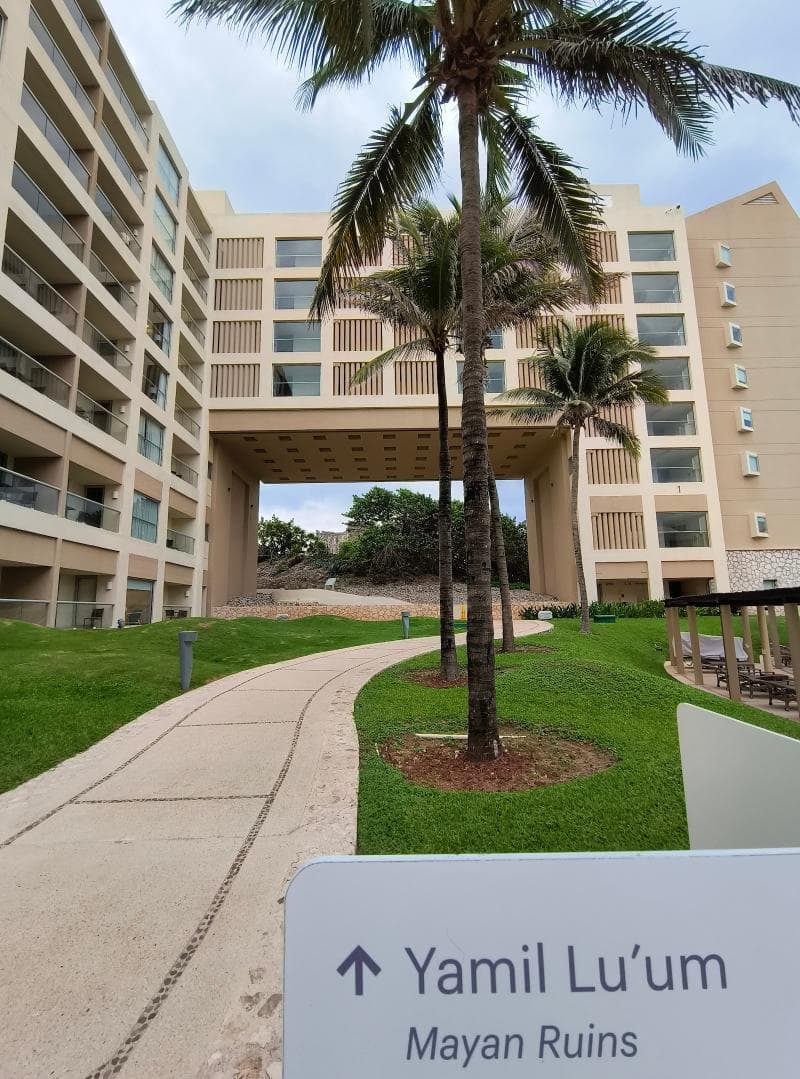

Discover the Temple of the Warriors in Chichen Itza, Yucatán, and explore Cancún's Mayan ruins like El Rey. Uncover ancient history and cultural insights.
Overview
As a curious traveler researching ancient wonders, you've likely heard whispers of the 'Temple of the Warriors' in the captivating region of Cancún, Mexico. However, it's important to clarify that while Cancún itself boasts fascinating Mayan archaeological sites, and the 'Temple of the Warriors' is indeed a magnificent structure, the renowned temple of that name is located within the grand ancient city of Chichen Itza, not directly within Cancún. There is no historical or archaeological record of a 'Temple of the Warriors' situated inside a larger area called 'Old City Gate' in Cancún. Cancún's own Mayan ruins, such as El Rey and San Miguelito, offer a more intimate glimpse into the past of coastal Mayan communities. This distinction is key for planning an accurate and rewarding journey through the Yucatán Peninsula's rich history.
History & Cultural Background
The true Temple of the Warriors, a cornerstone of Mayan and Toltec civilization, stands proudly in Chichen Itza, a UNESCO World Heritage site located approximately a two-to-three-hour drive from Cancún in the neighboring state of Yucatán. This imposing structure dates primarily to the Postclassic period, roughly the 10th century AD, reflecting a unique blend of Mayan and Toltec architectural styles and spiritual beliefs. It served as a vital ceremonial and military center, showcasing the martial prowess and religious devotion of its builders. The temple's design and iconography illustrate the deep integration of military elements into religious architecture, a hallmark of Toltec influence. In contrast, Cancún's archaeological sites like El Rey date back to earlier periods, with evidence of small fishing settlements from as early as the 2nd century CE, growing in prominence during the Late Postclassic period (1200-1500 CE) as important trade and fishing ports along the Caribbean coast. These local sites were crucial for maritime trade and salt production, providing a distinct historical narrative of daily life and commerce rather than large-scale ceremonial complexes.
What Makes It Special
The Temple of the Warriors at Chichen Itza is truly special for its impressive scale and intricate details. It consists of a large stepped pyramid topped by a rectangular platform, its most striking feature being the rows of carved columns depicting warriors and mythological figures. These 'Thousand Columns' once supported a vast roof, forming a grand hall for significant ceremonies. The artwork, including bas-reliefs of warriors, eagles, and jaguars devouring human hearts, offers profound insights into the Mayan and Toltec worldview, their militaristic society, and their sacred rituals. A Chac Mool statue, a reclining figure believed to have served as an altar for offerings, further adds to its mystique. Cancún's El Rey Archaeological Zone, while smaller, is special for its accessibility and its role in demonstrating the Mayan presence directly within the modern resort city. It features 47 structures, including small temples, residential buildings, and plazas, with some remaining murals. These structures represent a different facet of Mayan life—that of coastal communities engaged in trade and local governance.
Stories, Fun Facts & Local Details
The Temple of the Warriors in Chichen Itza is steeped in stories of ancient power and ceremony. Imagine the vibrant colors that once adorned its sculpted warriors, painted in brilliant hues and covered with plaster. The Chac Mool statues, found in various Mesoamerican sites, are often associated with rain god Chaac and are thought to have held sacrificial offerings. Exploring the site, one can almost hear the echoes of ancient rituals and feel the presence of the warrior elite who once dominated this powerful city. For those visiting Cancún's local ruins like El Rey, a different kind of 'local detail' awaits: the lively colony of iguanas. These reptiles have made the ancient stones their home, basking in the sun and adding a unique, natural charm to the archaeological landscape. While there isn't a specific 'Old City Gate' in Cancún from ancient times, the contemporary city's rapid development from a fishing village in the 1970s is a modern-day 'origin story' of its own, built upon the rich, albeit smaller, Mayan foundations discovered beneath.
Visitor Perspective
For the traveler eager to connect with Mayan history, understanding the distinction between Cancún's local ruins and the grand sites like Chichen Itza is crucial. Visiting Cancún's archaeological zones, such as El Rey or San Miguelito, offers a convenient and often less crowded experience, perfect for a short excursion within the Hotel Zone. These sites provide an accessible introduction to Mayan architecture and daily life, allowing for peaceful exploration amidst lush vegetation and the charming company of iguanas. The structures are more modest, giving a sense of the communities that thrived along the coast. For those seeking the monumental grandeur of the 'Temple of the Warriors' and other iconic Mayan pyramids, a dedicated day trip to Chichen Itza is essential. There, you'll encounter a world-renowned archaeological marvel, a testament to the advanced civilization of the Maya-Toltec people, complete with impressive architecture and profound historical significance. Both experiences offer valuable insights into Mayan culture, catering to different interests and schedules, but it's important to know where each historical gem truly lies.
Coordinates: -86.84656, 21.17429
View on Google Maps💬 How Travelers Describe This Place
Based on community votes
Interesting
636Photogenic
623Must See
313Unique
220Beautiful
44
Traveler Stories
Discover memorable experiences shared by travelers who have visited this place.
No traveler stories yet.
Be the first traveler to share what made this place memorable.

Tour
By
Spot
Discover amazing places around the world. Your journey starts here.
Explore
© 2026 TourBySpot. All rights reserved.