El Castillo
Cancún, Mexico
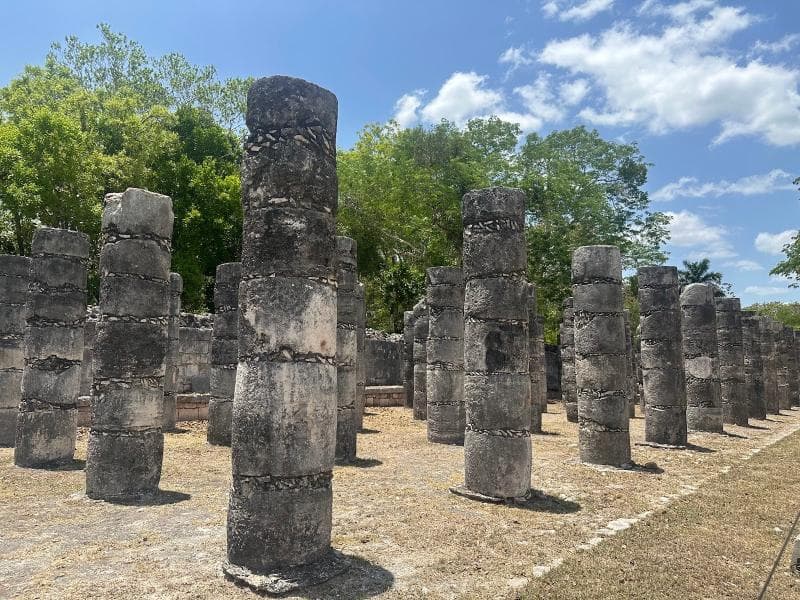
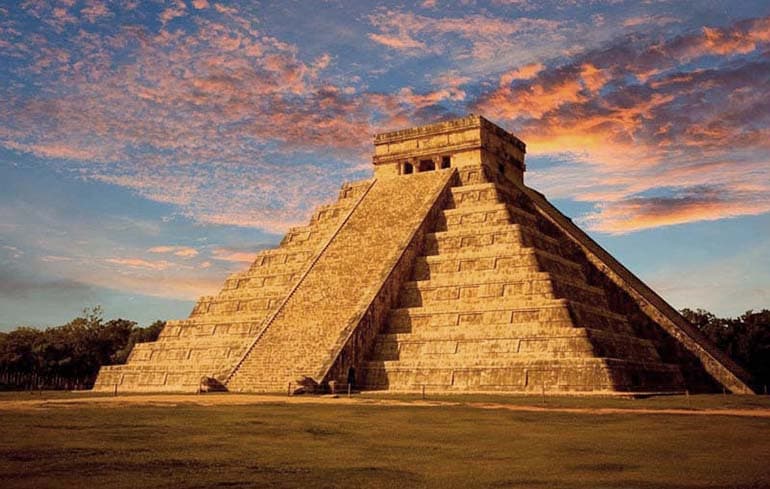
Discover El Castillo at El Meco Archaeological Site in Cancún, Mexico. Explore ancient Mayan history, unique architecture, and stunning coastal views.
Overview
Stepping away from the vibrant beaches and bustling resorts of Cancún, a journey into its ancient past reveals remarkable Mayan archaeological sites. Among these, the El Meco Archaeological Site stands out, proudly featuring its central pyramid known as 'El Castillo' (The Castle). While there isn't a specific ancient site formally named 'Old City Gate' in Cancún, these historic ruins serve as profound gateways to understanding the rich, complex civilization that thrived here centuries ago, offering a glimpse into the region's pre-Hispanic heart. El Meco provides a tranquil escape, inviting curious travelers to connect with the authentic Mayan heritage nestled surprisingly close to modern development.
History & Cultural Background
The history of El Meco dates back as early as the Early Classic period (200-600 CE), initially established as a modest fishing village. After a period of decline, the site experienced a significant resurgence and reached its prominence during the Postclassic period, specifically between 1150 and 1500 CE. During this era, El Meco evolved into a vital port city and a crucial point within an extensive Mayan trade network that spanned across the Yucatán Peninsula and the Caribbean. Its strategic coastal location meant it played a pivotal role in maritime navigation, particularly serving as an embarkation point for pilgrims traveling to the sacred island shrines on nearby Isla Mujeres. The architecture found at El Meco, like its larger cousin Tulum, exemplifies the 'East Coast style,' characterized by specific construction techniques and layouts.
What Makes It Special
The undeniable centerpiece of El Meco is its 'El Castillo' pyramid. Soaring approximately 12 meters (40 feet) high, it holds the distinction of being the tallest ancient structure in the Cancún area of the northeastern Yucatán Peninsula. This impressive pyramid is not merely a monumental structure; from its summit, it offers breathtaking panoramic views of the surrounding Cancún Island, the Caribbean Sea, and the serene lagoons, providing a unique perspective on both ancient and modern landscapes. The main building of El Meco's 'El Castillo' features an upper temple with three entrances, a characteristic of the East Coast architectural style of Quintana Roo. Its access staircase is notable for well-preserved sculptures of serpent heads at its base, reminiscent of the iconic Kukulkan pyramid at Chichen Itza, hinting at shared cultural and religious influences. Beyond El Castillo, the site encompasses other structures, including plazas and residential platforms, all meticulously maintained by the National Institute of Anthropology and History (INAH) and recently subject to restoration efforts.
Stories, Fun Facts & Local Details
Archaeologists believe that El Meco's strategic location and its towering 'El Castillo' may have served as a navigational beacon, effectively acting as an ancient lighthouse for Mayan mariners navigating the coastal waters. This vital role in maritime trade facilitated the exchange of goods and ideas, sustaining the local population who were notably healthy and well-fed, thanks to the rich variety of marine resources available to them. The site's ancient name is lost to time, but some historians suggest it might have been 'Belma' or 'Yax Kin' (First Sun). The modern name 'El Meco' was derived from the nickname of a 19th-century local resident who cared for a ranch near the ruins. Exploring the shaded pathways of El Meco, visitors often encounter local wildlife, particularly iguanas, which have made these ancient ruins their home, adding a touch of natural charm to the historical experience. The relatively compact nature of El Meco, in contrast to larger, more distant sites, allows for a more intimate and less crowded exploration. The site's tranquil atmosphere encourages reflection on the enduring ingenuity and spirit of the Mayan people.
Visitor Perspective
Visiting El Meco offers a deeply rewarding experience for those seeking to delve into Mayan history without venturing far from Cancún's Hotel Zone. The site is conveniently located on the northern outskirts of the city, easily accessible by public transportation, taxi, or car on the road to Punta Sam. It operates with visitor-friendly hours, generally from 8:00 AM to 4:30 PM daily. The well-maintained paths and ample shade from surrounding vegetation make for a pleasant stroll, even on warmer days. For a minimal entrance fee, travelers gain access to El Castillo and the surrounding structures, including a civic and ceremonial plaza. This archaeological gem provides a poignant insight into a significant Mayan port and ceremonial center, contrasting beautifully with the modern backdrop of Cancún. For travelers curious about the region's ancient past, El Meco offers a unique and accessible opportunity to explore real Mayan pyramids and immerse themselves in a rich cultural narrative.
Coordinates: -86.8202, 21.1963
View on Google Maps💬 How Travelers Describe This Place
Based on community votes
Beautiful
720Photogenic
319Unique
249Must See
207Interesting
52
Traveler Stories
Discover memorable experiences shared by travelers who have visited this place.
No traveler stories yet.
Be the first traveler to share what made this place memorable.

Tour
By
Spot
Discover amazing places around the world. Your journey starts here.
Explore
© 2026 TourBySpot. All rights reserved.