Odessa Opera And Ballet Theater
Odessa, Ukraine
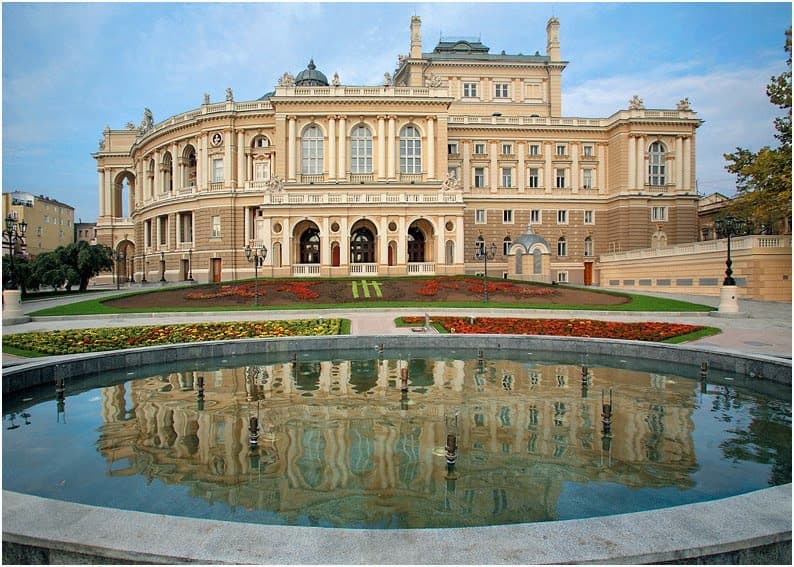
Discover the Odessa Opera And Ballet Theater in Odessa, Ukraine – an architectural masterpiece and cultural heart. Explore its Neo-Baroque grandeur, rich history, and world-class performances in this iconic landmark.
Overview
The Odessa Opera And Ballet Theater, nestled in the vibrant city of Odessa, Ukraine, stands as an architectural jewel and a profound symbol of the city's rich cultural heritage. Widely recognized as one of the most beautiful opera houses globally, it consistently ranks among Eastern Europe's most significant monuments. As the oldest theater in Odessa, it holds the esteemed status of a National Academic institution, playing a significant role in the cultural life of Europe. Its grandeur and artistic legacy draw visitors from around the world, eager to experience its world-class performances and admire its stunning design.
History & Cultural Background
The story of the Odessa Opera And Ballet Theater began with its predecessor, the City Theatre, which first opened its doors on February 10, 1810. Designed by the Italian architect Francesco Frapolli, with modifications by the French architect Jean-François Thomas de Thomon, this initial structure was a classical edifice facing the port. Tragically, this first theater was completely destroyed by fire in 1873.
A decade later, between 1884 and 1887, the current magnificent building was erected on the same site. Renowned Viennese architects Ferdinand Fellner and Hermann Helmer, celebrated for their work on numerous European theaters, were commissioned for its design. The construction was a monumental undertaking, costing an impressive 1.5 million gold rubles and featuring advanced technology for its era, including being the first building in Odesa to employ electric illumination. This new opera house, initially named the Odessa City Theatre, was described by architect Ferdinand Fellner as 'Firmly and unshakable as a rock, it is envious spite building and serves as the personification of strength made him the city.'
The theater faced another challenge during World War II, miraculously surviving planned destruction by retreating Nazis. A significant restoration project was undertaken from 1997 to 2007, ensuring the preservation of its historical grandeur and earning it the ‘National Academic’ status in 2007.
What Makes It Special
The Odessa Opera And Ballet Theater is a masterpiece of architectural fusion, incorporating elements of Italian Renaissance, Viennese Baroque, classical Baroque, and Rococo styles, all organically connected to create a cohesive and breathtaking composition. The facade, crafted in an Italian Baroque style, is adorned with busts of literary and musical greats such as Alexander Pushkin, Nikolai Gogol, Alexander Griboyedov, and Mikhail Glinka, representing poetry, drama, comedy, and music. Sculptures of Melpomene, the muse of tragedy, atop a chariot drawn by four panthers, and figures like Orpheus and Terpsichore, further enrich its exterior, symbolizing the performing arts.
Step inside, and the lavish auditorium, designed in the late French Rococo style, immediately captivates. It is sumptuously decorated with intricate gilded stucco figures and patterns, where no two ornamental motifs are repeated. The horseshoe-shaped hall boasts unique acoustics, allowing even a whispered tone from the stage to be heard clearly in every part of the 1,636-seat venue. Forbes magazine has recognized the Odessa Opera among the 11 most interesting sights in Eastern Europe, a testament to its stunning beauty and cultural significance.
Stories, Fun Facts & Local Details
The original theater's demise in 1873 was reportedly due to a gas wick illuminating a clock. When the current theater suffered another fire in 1925, which destroyed the stage and orchestra pit, the original stage curtain was lost forever. Interestingly, to keep patrons cool during hot Odesa summers before modern air conditioning, workers would lower wagonloads of ice and straw into a basement via a 35-foot shaft, from where cool air would rise through vents beneath the seats.
For safety, the architects incorporated twenty-four exits in the luxurious auditorium, a forward-thinking design element. In 2023, the theater's significance was further highlighted by its inclusion on the UNESCO Cultural Heritage List. Over its history, the theater's stage has hosted many legendary artists, including Anna Pavlova, Pablo Sarasate, Fyodor Chaliapin, and Nikolai Rimsky-Korsakov. It was also the venue for the Ukrainian premieres of many famous operas, such as 'The Barber of Seville' by Rossini and 'Tosca' by Puccini.
Visitor Perspective
Visiting the Odessa Opera And Ballet Theater offers a memorable journey into art and history. Guided tours are available, providing an opportunity to explore both the stunning exteriors and the opulent interiors, complete with fascinating stories about its past and detailed insights into its artwork and architecture.
The theater presents a diverse repertoire throughout the year, encompassing world-renowned opera and ballet performances, symphony concerts, and special programs for young audiences. While performances are a major draw, simply walking through its gilded halls, admiring the vaulted ceilings, and taking in the atmosphere is an experience in itself. For the most comfortable visit, consider traveling during spring (April-May) or early autumn (September-October), when the weather is pleasant. Be aware that during peak tourist seasons and major festivals, the theater can be crowded, and ticket prices may fluctuate. When attending a performance, visitors are asked to observe common courtesies, such as switching off mobile devices and refraining from professional audio or video recordings.
Coordinates: 30.741667, 46.485556
View on Google Maps💬 How Travelers Describe This Place
Based on community votes
Must See
954Beautiful
514Photogenic
432Interesting
316Unique
196
Traveler Stories
Discover memorable experiences shared by travelers who have visited this place.
No traveler stories yet.
Be the first traveler to share what made this place memorable.
Things to see at Odessa Opera And Ballet Theater



Tour
By
Spot
Discover amazing places around the world. Your journey starts here.
Explore
© 2026 TourBySpot. All rights reserved.