Grand Staircase
Odessa, Ukraine
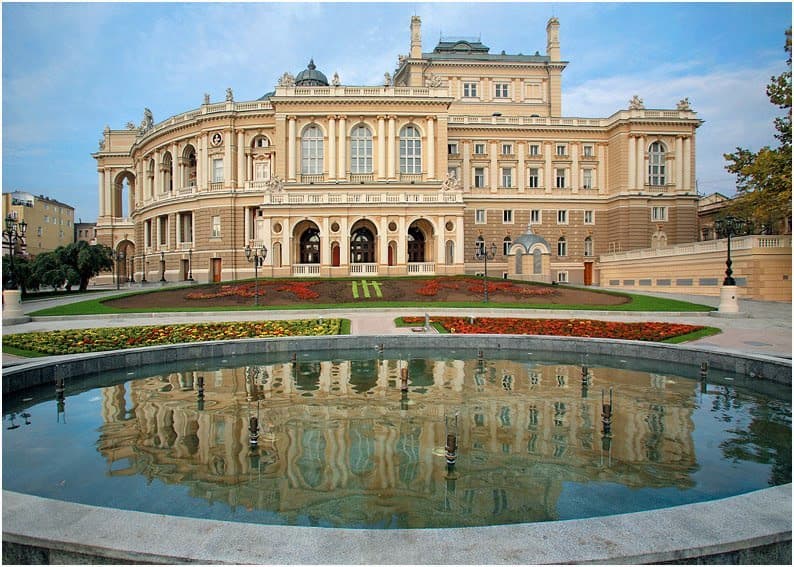
Explore the Grand Staircase of the Odessa Opera and Ballet Theater, Odessa, Ukraine. Discover its opulent Neo-Baroque design, rich history, and stunning architectural details.
Overview
Step into a realm of opulent beauty as you ascend the Grand Staircase of the Odessa National Academic Opera and Ballet Theater, a true architectural masterpiece nestled in the heart of Odessa, Ukraine. This magnificent internal staircase is more than just a passage; it is an experience, a dramatic prelude to the artistic performances held within one of Eastern Europe's most celebrated cultural institutions. Adorned with intricate details and exuding an air of timeless elegance, the Grand Staircase invites visitors to marvel at its grandeur before immersing themselves in the magic of opera and ballet.
History & Cultural Background
The history of the Odessa Opera and Ballet Theater is as rich and dramatic as the performances it hosts. The current building, which opened its doors in 1887, rose from the ashes of a devastating fire that destroyed the original 1810 theater in 1873. Designed by the renowned Viennese architects Ferdinand Fellner and Hermann Helmer, the theater embodies a harmonious blend of Neo-Baroque style, drawing inspiration from Italian Renaissance and classical Baroque elements.
The meticulous design extended to every interior detail, including the Grand Staircase, ensuring it complemented the theater's overall architectural splendor. This dedication to artistry reflects Odessa's ambition in the 19th century to be a cultural capital, often compared to European counterparts like Paris.
What Makes It Special
The Grand Staircase is a focal point of the Odessa Opera and Ballet Theater's lavish interior, a testament to the era's architectural brilliance. It features stunning ornate vaults that frame the ascent, with two rows of graceful green marble columns connected by delicate gold-patterned arches.
The walls flanking the staircase are adorned with pristine white and intricate gold detailing, creating a breathtaking visual symphony. Overhead, an arched ceiling boasts elaborate gold accents, and marble columns majestically support ornate chandeliers that cast a warm, inviting glow. Every curve and carving of the staircase, complete with lavish lamps and a striking color palette, contributes to an atmosphere of majestic beauty, leading guests directly into the renowned auditorium.
Stories, Fun Facts & Local Details
The creation of the current theater, including its magnificent Grand Staircase, was a colossal undertaking, costing 1.3 million gold rubles. It is said that when the people of Odessa learned of the expense, they gasped, but upon seeing the completed edifice, they gasped again, this time in sheer admiration.
The theater was a marvel of its time, being the first building in Odessa to be equipped with electric illumination from the Edison Company. To ensure audience comfort during warm summers, an ingenious cooling system was devised: wagonloads of ice and straw were lowered down a 35-foot shaft into a basement, where cool air rose through vents beneath the seats. While the theater has faced challenges, including another fire in 1925 and continuous efforts to maintain its foundation on shifting ground, the Grand Staircase has stood as a symbol of resilience and enduring elegance.
Visitor Perspective
For any traveler to Odessa, encountering the Grand Staircase is an essential part of the opera house experience. Many visitors describe a sense of awe as they walk up its wide steps, taking in the detailed craftsmanship and the expansive, richly decorated surroundings.
Guided tours often highlight the staircase, offering insights into its construction and the stories embedded within its walls. It provides a unique opportunity to immerse oneself in the grandeur of 19th-century European architecture and feel connected to the countless artists and audiences who have graced its steps over the decades. Experiencing a performance here, preceded by an ascent of this iconic staircase, is considered a quintessential Odessa experience, leaving a lasting impression of beauty and cultural heritage.
Coordinates: 30.741389, 46.485278
View on Google Maps💬 How Travelers Describe This Place
Based on community votes
Photogenic
931Unique
692Interesting
491Beautiful
261Must See
49
Traveler Stories
Discover memorable experiences shared by travelers who have visited this place.
No traveler stories yet.
Be the first traveler to share what made this place memorable.

Tour
By
Spot
Discover amazing places around the world. Your journey starts here.
Explore
© 2026 TourBySpot. All rights reserved.