Nyhavn
Copenhagen, Denmark
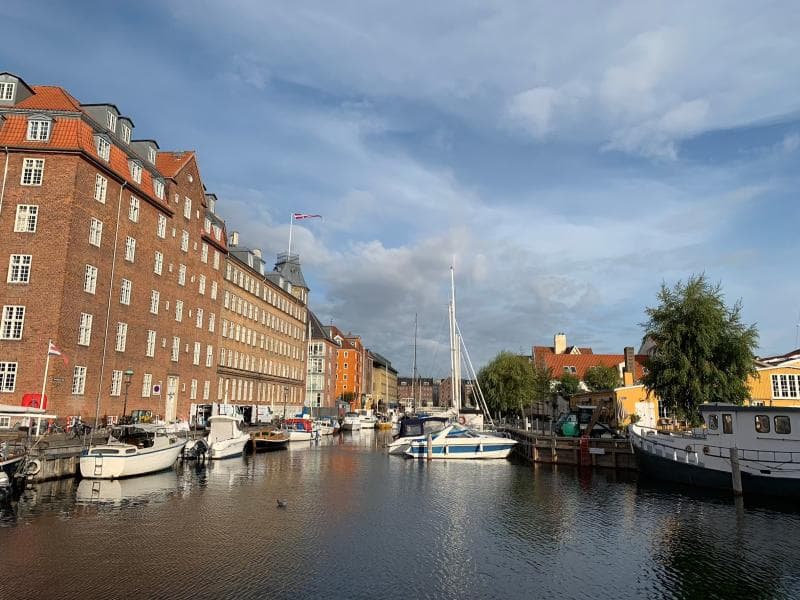
Explore Nyhavn, Copenhagen's vibrant 17th-century canal district in Denmark. Discover colorful houses, historic ships, and rich cultural history.
Overview
Nyhavn, meaning 'New Harbor,' is Copenhagen's iconic 17th-century waterfront, canal, and entertainment district in Denmark. It stretches from Kongens Nytorv to the Inner Harbour, south of the Royal Playhouse, and is instantly recognizable by its brightly colored 17th and early 18th-century townhouses. Today, Nyhavn serves as a vibrant hub for both locals and travelers, offering a picturesque blend of historical charm and modern urban life.
History & Cultural Background
The history of Nyhavn dates back to the reign of King Christian V, who initiated its construction between 1670 and 1675. The canal was meticulously dug by Danish soldiers and Swedish prisoners of war from the Dano-Swedish War. Its original purpose was to create a direct gateway from the sea to Kongens Nytorv, the city's central square, facilitating trade and maritime transport.
For centuries, Nyhavn was a bustling commercial port, teeming with merchant ships, cargo, and fishermen. This vibrant activity also led to a reputation for being a lively, and at times notorious, district filled with sailors, taverns, alehouses, and a spirited nightlife.
Following World War II, as ocean-going ships grew larger and land transport became more prominent, Nyhavn gradually lost its significance as a working port and fell into a period of decline, with some considering its demolition. However, a passionate movement by local residents in the 1960s and 1970s led to a revitalization effort. The historic houses were restored, and in 1977, Nyhavn was officially inaugurated as a veteran ship and museum harbor, transforming it into the beloved cultural landmark it is today.
What Makes It Special
Nyhavn's distinctive charm lies in several key features. The most striking are its rows of vibrantly colored 17th and 18th-century townhouses, many of which now host lively cafes, restaurants, and bars. Among these, Nyhavn No. 9 stands as the oldest house, dating back to 1681 and remarkably preserved.
The canal itself is home to a collection of historical wooden ships, maintaining its maritime heritage and adding to the scenic beauty. This picturesque setting, combined with the energetic street life, often featuring live jazz music, creates an inviting and festive atmosphere.
A popular activity for visitors is taking a canal tour, which departs directly from Nyhavn. These tours offer a unique perspective of Copenhagen's waterways and landmarks. Additionally, during the winter months, Nyhavn transforms into a magical Christmas market, adorned with twinkling lights and festive stalls.
Stories, Fun Facts & Local Details
Nyhavn holds a special place in the heart of Danish literature, famously being home to the beloved fairytale author Hans Christian Andersen. He resided in no fewer than three different houses along the canal throughout his life, including Nyhavn No. 20, No. 67, and No. 18, where he penned some of his celebrated works.
Another fascinating detail is Tattoo Ole, located in the basement of Nyhavn No. 17, which is considered one of the oldest continuously operating tattoo shops in the world. For generations, sailors visited to commemorate their journeys with permanent ink.
At the end of Nyhavn, where it meets Kongens Nytorv, stands the impressive Memorial Anchor. This monument honors the more than 1,700 Danish officers and sailors who lost their lives during World War II while serving the Navy, merchant fleet, or Allied Forces. Even the modern pedestrian drawbridge across the canal has a local nickname: the 'Kissing Bridge,' due to its distinctive design.
Visitor Perspective
Visiting Nyhavn is an essential Copenhagen experience, offering a delightful stroll amidst its colorful facades and historic vessels. The area is highly walkable, making it perfect for leisurely exploration and soaking in the unique atmosphere.
Culinary delights abound, with numerous cafes and restaurants offering everything from traditional Danish smørrebrød to diverse international cuisine. Many establishments provide outdoor seating, allowing visitors to enjoy their meals with picturesque canal views. Some restaurants even operate from moored boats, providing a truly unique dining experience.
Whether in the lively summer, when the quayside buzzes with activity and jazz music, or the cozy winter, when the Christmas market adds a festive glow, Nyhavn maintains its charm year-round. Its central location also makes it an excellent starting point for exploring nearby attractions such as Kongens Nytorv, Charlottenborg Palace, and the Royal Playhouse.
Coordinates: 12.59056, 55.67972
View on Google Maps💬 How Travelers Describe This Place
Based on community votes
Must See
998Unique
903Beautiful
481Interesting
458Photogenic
197
Traveler Stories
Discover memorable experiences shared by travelers who have visited this place.
No traveler stories yet.
Be the first traveler to share what made this place memorable.
Things to see at Nyhavn



Tour
By
Spot
Discover amazing places around the world. Your journey starts here.
Explore
© 2026 TourBySpot. All rights reserved.