Historic Wooden Ships
Copenhagen, Denmark
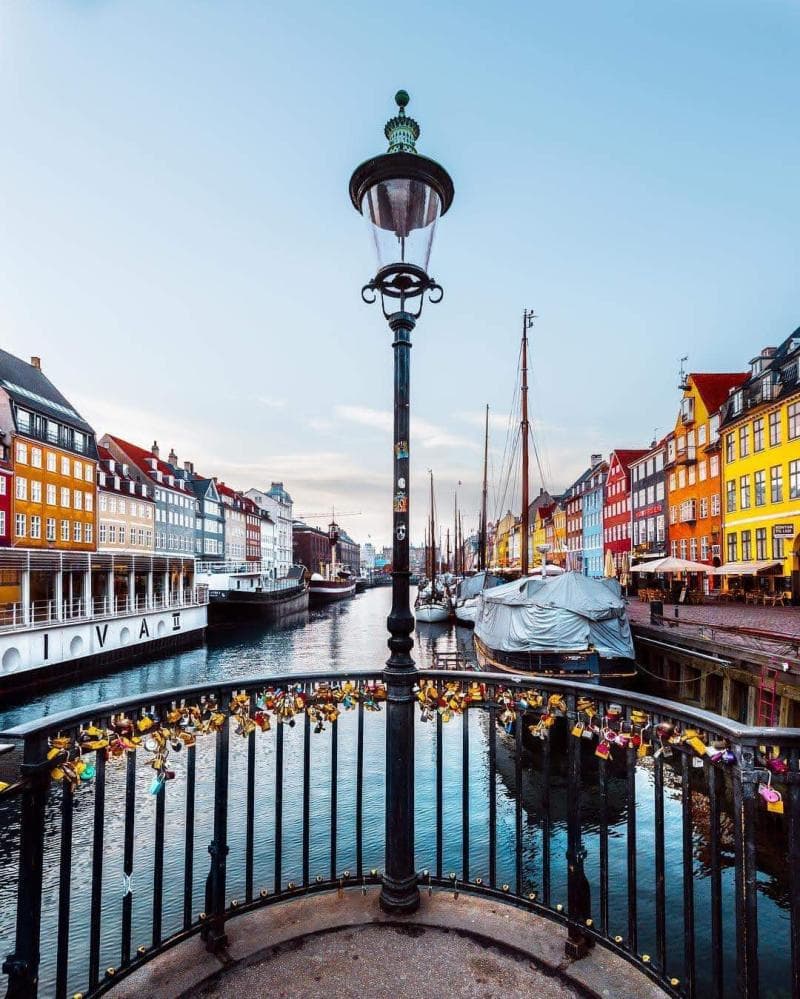
Explore Nyhavn's historic wooden ships in Copenhagen, Denmark. Discover their rich maritime history, cultural significance, and unique stories.
Overview
Stepping onto the cobbled quays of Nyhavn in Copenhagen, Denmark, visitors are immediately greeted by a vibrant tableau of colorful 17th-century townhouses and the gentle sway of historic wooden ships. These magnificent vessels are not merely decorative; they are a living museum, offering a tangible connection to Copenhagen's rich maritime past. Moored along the inner section of the canal, particularly between the Nyhavn Bridge and Kongens Nytorv, these ships represent different eras of Danish seafaring and trade, embodying the spirit of a bustling port that once linked the city to the wider world.
The collection comprises various types of ships, from sturdy schooners and galleasses to unique lightships, each with its own story etched into its timber and rigging. They provide an atmospheric backdrop to one of Copenhagen's most iconic districts, inviting curious travelers to pause, reflect, and imagine the lives of the sailors and merchants who once navigated these very waters.
History & Cultural Background
Nyhavn, meaning 'New Harbour,' was originally dug between 1670 and 1673 by order of King Christian V, with the arduous work carried out by Danish soldiers and Swedish prisoners of war. Its primary purpose was to create a direct waterway from the sea to Kongens Nytorv, the King's New Square, facilitating the transport of goods directly into the heart of the city.
For centuries, Nyhavn thrived as a bustling commercial port, a vibrant hub where ships from across the globe docked, unloading their diverse cargoes of fish, timber, and other commodities. This industrious atmosphere also fostered a lively, sometimes rough, sailors' quarter, complete with taverns, brothels, and tattoo parlors, becoming a melting pot of cultures and tales. However, as advancements in shipbuilding led to larger vessels, Nyhavn's role as a major commercial port gradually diminished by the mid-20th century, rendering many of its quays quiet.
The 1960s marked a turning point. A collective effort by passionate locals and institutions, including the Danish National Museum, began to preserve and revitalize this unique part of Copenhagen's heritage. Old ships were brought back, and the area underwent significant renovation, transforming it from a rundown district into the beloved, picturesque destination it is today. This dedication ensured that the maritime soul of Nyhavn would endure.
What Makes It Special
The historic wooden ships of Nyhavn stand out not just as picturesque elements, but as authentic artifacts of a bygone era. They collectively form the Nyhavn Veteran Ship and Museum Harbour, a unique floating exhibition that brings maritime history to life. Unlike static museum exhibits, these ships often retain their functional integrity, with some even maintained by dedicated volunteers who keep them operational for sailing activities.
What truly makes these vessels special is their tangible link to Denmark's proud naval and trading past. Each ship, from the working schooners that once plied the Baltic Sea to the sturdy lightships that guided vessels through treacherous waters, tells a silent story of courage, commerce, and craftsmanship. Viewing them from the quayside, one can appreciate the intricate details of their construction, the weathered wood, and the robust rigging, providing a profound sense of connection to the maritime traditions that shaped Copenhagen.
Stories, Fun Facts & Local Details
Among the notable vessels gracing Nyhavn's waters is the Lightship Gedser Rev (Fyrskib XVII), an iconic vessel built in 1895. This lightship served faithfully, marking the Drogden sandbank in the Øresund until 1972. Its history includes a dramatic incident in 1954 when it was struck by another ship and sank, tragically costing the life of a sailor, though the rest of the crew was rescued. After its operational life, the A.P. Møller and Chastine Mc-Kinney Møller's Foundation for General Purposes acquired and donated it to the National Museum, ensuring its preservation as a museum ship.
Another fascinating resident is the galleass Anna Møller, built in Randers in 1906. This elegant sailing ship is typically moored in Nyhavn and is lovingly maintained by a group of voluntary workers. These dedicated individuals not only keep the ship in excellent condition but also participate in sailing activities during the summer, allowing the public to experience its living history. Smaller plaques found alongside many of the boats often share snippets of their individual histories, inviting passersby to delve deeper into their past.
It's worth noting that the 'glossy finish' seen on many of Nyhavn's ships and even the colorful townhouses is a more recent aesthetic. The tradition of applying vibrant boat-lacquer to the facades only became prevalent from the 1960s onwards, contributing to the vivid and much-photographed appearance of the district today.
Visitor Perspective
Experiencing the historic wooden ships of Nyhavn is an essential part of any visit to Copenhagen. While many of the ships are privately owned or belong to museum collections and are not typically open for boarding without special arrangements, their presence alone offers a captivating spectacle.
Visitors can freely stroll along the quays, admiring the diverse fleet from up close. The best way to engage with these vessels is to take a leisurely walk, reading the small informational plaques that are often affixed near each ship, providing insights into its type, origin, and historical significance. These floating pieces of history provide a perfect counterpoint to the lively restaurants and cafes that line the canal, allowing for moments of quiet reflection amidst the vibrant atmosphere. Whether you're enjoying a coffee by the water, capturing photographs of the iconic scene, or embarking on a canal tour that offers unique perspectives of the ships from the water, the historic wooden ships are central to Nyhavn's enduring charm and character.
Coordinates: 12.59056, 55.67972
View on Google Maps💬 How Travelers Describe This Place
Based on community votes
Must See
847Photogenic
712Beautiful
513Unique
482Interesting
62
Traveler Stories
Discover memorable experiences shared by travelers who have visited this place.
No traveler stories yet.
Be the first traveler to share what made this place memorable.

Tour
By
Spot
Discover amazing places around the world. Your journey starts here.
Explore
© 2026 TourBySpot. All rights reserved.