Harbor Promenade
Copenhagen, Denmark
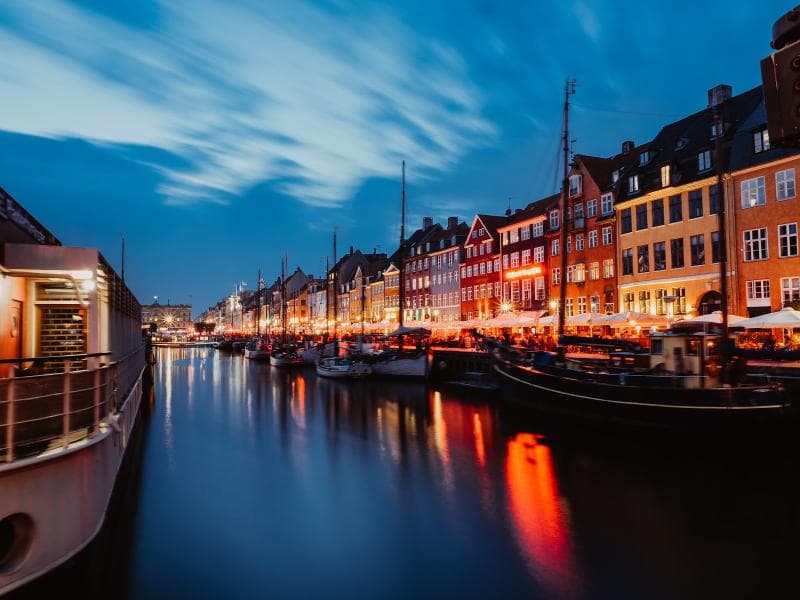
Explore Copenhagen's Harbor Promenade in Nyhavn, a historic waterfront lined with colorful houses and ships, rich in history and culture.
Overview
The Harbor Promenade, nestled within the iconic Nyhavn district of Copenhagen, Denmark, offers a quintessential Danish experience. This vibrant 17th-century waterfront area is famed for its brightly colored townhouses, historic wooden ships, and bustling atmosphere. It stretches from Kongens Nytorv to the inner harbor, serving as a picturesque gateway that beautifully marries Copenhagen's maritime past with its lively present.
Visitors are drawn to the promenade for its unique charm, where cobblestone paths invite leisurely strolls, and outdoor cafes spill onto the waterfront. It is a place where history resonates through every building and the air is often filled with the gentle sounds of jazz or the chatter of convivial gatherings.
History & Cultural Background
Nyhavn, meaning 'New Harbor,' was originally excavated by Swedish prisoners of war between 1670 and 1675 under the command of King Christian V. Its purpose was to connect the sea directly to Kongens Nytorv, serving as a busy commercial port where ships from around the globe would dock. For centuries, it was a hub of seafaring life, infamous for its taverns, alehouses, and a rather boisterous atmosphere frequented by sailors and traders.
The oldest house on the promenade, Nyhavn 9, dates back to 1681 and still stands proudly today, a testament to the area's enduring heritage. As larger ocean-going vessels outgrew the canal, Nyhavn's role as a commercial port diminished. However, a significant revitalization effort from the 1950s through the 1980s transformed it into the beloved cultural and entertainment district it is today, preserving its historic essence while embracing modern leisure.
What Makes It Special
The Harbor Promenade's distinctive charm lies in its visual splendor and vibrant energy. The rows of pastel-colored 17th and 18th-century townhouses, many of which have been meticulously restored, reflect beautifully in the canal's waters, creating an iconic postcard-perfect scene. Moored alongside are an array of historic wooden ships, forming a museum harbor that further harks back to Copenhagen's rich seafaring history.
Beyond its aesthetic appeal, the promenade is a dynamic public space. It's renowned for its numerous outdoor cafes and restaurants, offering visitors a chance to dine al fresco and soak in the lively ambiance. Canal tours frequently depart from here, providing a unique perspective of Copenhagen's landmarks from the water. Whether it's the gentle jazz music drifting from a cafe or the lively chatter of people enjoying the view, the promenade buzzes with an infectious zest for life, especially on warm days.
Stories, Fun Facts & Local Details
One of Nyhavn's most celebrated residents was the renowned Danish fairy tale author, Hans Christian Andersen. He lived in several houses along the promenade during different periods of his life, including numbers 20, 67, and 18. It was in these very surroundings that he penned some of his timeless classics. This literary connection adds a layer of enchantment to the area, inviting visitors to imagine the stories that unfolded within these colorful walls.
The area also holds a poignant memorial: the Anchor Monument, located towards Kongens Nytorv. It commemorates the approximately 1600 Danish sailors who lost their lives during World War II, serving as a quiet reminder of the nation's maritime sacrifices. During the winter months, the promenade transforms into a magical Christmas market, filled with twinkling lights, festive stalls, and the warm aroma of gløgg, offering a different, cozy facet of its character.
Visitor Perspective
For many, a visit to the Harbor Promenade is an essential part of the Copenhagen experience. It is a place to slow down, absorb the atmosphere, and witness Danish 'hygge' firsthand. Travelers can enjoy a leisurely walk along the canal, admiring the architecture and the boats, or simply find a spot at one of the many outdoor seating areas to people-watch with a coffee or a traditional Danish 'smørrebrød'.
While the restaurants along Nyhavn offer a fantastic view and vibrant ambiance, some guides suggest that the prices can reflect a 'view premium'. Nonetheless, the experience of dining or having a drink by the water is often considered well worth it. The promenade is easily accessible, a short walk from Kongens Nytorv Metro Station, making it a convenient and delightful destination for both locals and international visitors.
Coordinates: 12.5877, 55.6745
View on Google Maps💬 How Travelers Describe This Place
Based on community votes
Photogenic
998Must See
685Unique
472Beautiful
399Interesting
92
Traveler Stories
Discover memorable experiences shared by travelers who have visited this place.
No traveler stories yet.
Be the first traveler to share what made this place memorable.

Tour
By
Spot
Discover amazing places around the world. Your journey starts here.
Explore
© 2026 TourBySpot. All rights reserved.