Canal Front Houses
Copenhagen, Denmark
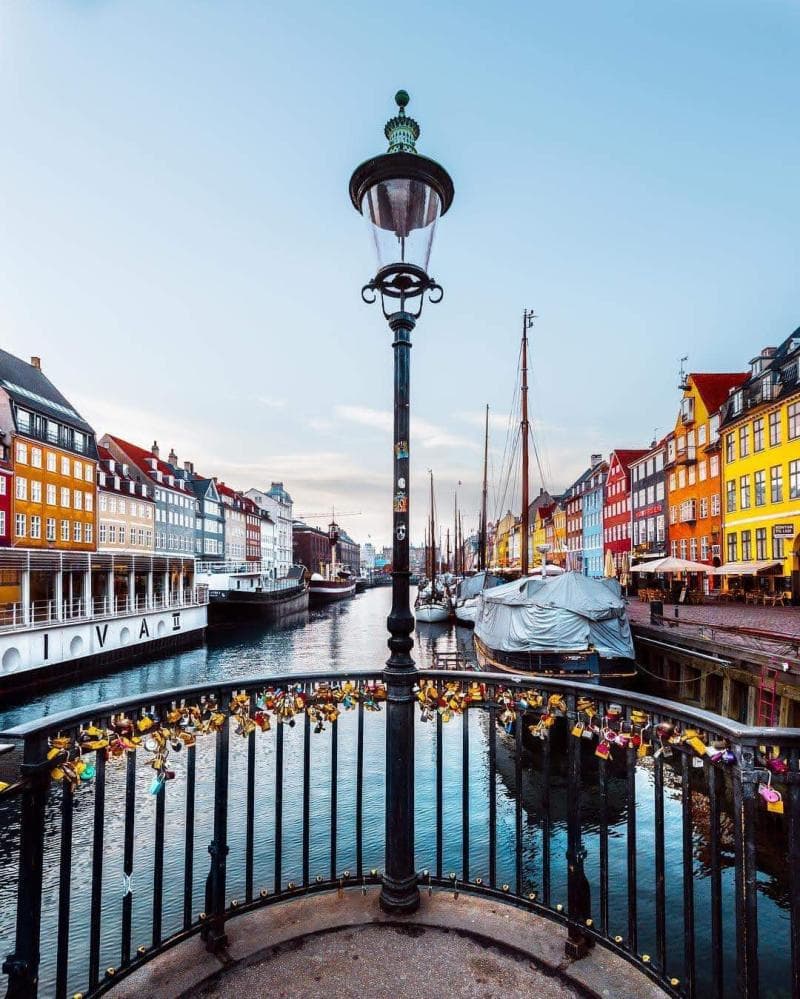
Explore Nyhavn's iconic Canal Front Houses in Copenhagen, Denmark. Discover their colorful history, connection to H.C. Andersen, and vibrant waterfront charm.
Overview
Nestled in the heart of Copenhagen, Denmark, the Canal Front Houses of Nyhavn stand as an iconic emblem of the city's charm and rich maritime history. This vibrant waterfront district, whose name translates to 'New Harbour,' captivates visitors with its distinctive row of brightly colored 17th and 18th-century townhouses, reflecting gracefully in the tranquil canal waters. Once a bustling commercial port, Nyhavn has transformed into a lively cultural hub, offering a picturesque blend of historical architecture and modern-day allure.
The area is not merely a postcard-perfect scene; it is a living testament to Copenhagen's past, inviting curious travelers to explore its unique character. Lined with cafes, restaurants, and historical wooden ships, the Canal Front Houses create an atmosphere that perfectly marries the old with the new, making Nyhavn a must-visit destination for anyone seeking to understand the Danish capital's enduring spirit.
History & Cultural Background
The history of Nyhavn begins in the 17th century, when it was constructed by order of King Christian V between 1670 and 1675. This ambitious project involved Danish soldiers and Swedish prisoners of war from the Dano-Swedish War (1658–1660) who dug the canal, creating a vital gateway from the sea to the old inner city at Kongens Nytorv, or King's Square.
For centuries, Nyhavn served as Copenhagen's main commercial port, a vibrant and often raucous area teeming with sailors, traders, and merchants from across the globe. It gained a reputation as a place of bustling activity, with pubs, alehouses, and a lively, sometimes notorious, atmosphere. Ships unloaded their cargo, and fishermen brought in their catches, establishing Nyhavn as a vital center for trade and social life. However, as larger ocean-going vessels outgrew the canal's capacity and land transport evolved after World War II, Nyhavn's role as a working port declined, leaving the area somewhat deserted.
A significant revitalization effort in the mid-20th century, particularly from the 1960s onwards, breathed new life into Nyhavn. Local enthusiasts and the Nyhavn Society worked to preserve its historical buildings and maritime heritage. The area was transformed from a rundown district into the charming, well-preserved cultural destination it is today, with the quays becoming pedestrianized in the 1980s.
What Makes It Special
The Canal Front Houses of Nyhavn are renowned globally for their striking visual appeal. Their brightly painted facades, in hues of yellow, red, blue, and green, create a captivating 'rainbow-hued backdrop' that is instantly recognizable and frequently featured on postcards and travel photos. This vibrant display contributes significantly to the area's unique character, offering a picturesque setting that feels straight out of a storybook.
Beyond their colorful exteriors, the charm of Nyhavn is amplified by the presence of historical wooden ships docked along the canal. These veteran vessels evoke the district's rich maritime past, serving as floating museums that remind visitors of its origins as a busy port. Today, the old warehouses have been thoughtfully renovated and repurposed, housing a multitude of modern cafes, restaurants, and shops that coexist harmoniously with the historical structures. The blend of well-preserved 17th and 18th-century architecture, coupled with a lively atmosphere of outdoor seating, live jazz music, and canal tours, makes Nyhavn a dynamic cultural hub. It's a place where history is not just seen, but experienced, as the maritime heritage seamlessly integrates with contemporary Danish life.
Stories, Fun Facts & Local Details
Nyhavn holds a special place in literary history as the former home of the beloved Danish fairytale writer, Hans Christian Andersen. He resided in no fewer than three different houses along the canal during various periods of his life: at No. 20, No. 67, and No. 18. It was in these very houses that Andersen penned some of his most famous fairy tales, adding a touch of literary magic to the district's historical significance.
One of the most intriguing aspects of the Canal Front Houses is their vivid coloring. Historically, these quayside structures were home to merchants, sailors, and tradespeople. The bright, distinguishable hues were not merely for aesthetics; they served a practical purpose, helping sailors easily spot their homes when returning from sea, especially after long voyages or perhaps, as a 'snarkier version of the story goes,' when they might have been a bit inebriated. The oldest house in Nyhavn, No. 9, dates back to 1681 and remains beautifully intact, standing as a direct link to the canal's earliest days. Additionally, at the beginning of the canal, a large steel Memorial Anchor stands as a poignant tribute to Danish sailors who lost their lives during World War II. Throughout the year, Nyhavn buzzes with activity, hosting vibrant events such as the Nyhavn Jazz Festival, where live music fills the air, and a charming Christmas market in winter, offering traditional Danish treats and crafts.
Visitor Perspective
For visitors, the Canal Front Houses of Nyhavn offer an immersive experience that blends historical exploration with modern leisure. Strolling along the cobblestone quayside, one can enjoy the relaxed atmosphere, punctuated by the sounds of live jazz and the sight of people enjoying traditional Danish food like smørrebrød at outdoor cafes. It's a place where both locals and tourists converge, especially on warm days, to enjoy the vibrant setting with a cold drink by the water.
A popular activity is to embark on one of the many canal tours that depart from Nyhavn. These tours provide a unique perspective of Copenhagen's waterways and landmarks, offering insights into the city's history from the water. Whether under the summer sun or adorned with twinkling Christmas lights and festive stalls in winter, Nyhavn consistently offers a vibrant glimpse into Copenhagen's character. The area provides a perfect balance of picturesque scenery, historical depth, and lively entertainment, making it an unforgettable part of any Copenhagen itinerary.
Coordinates: 12.59056, 55.67972
View on Google Maps💬 How Travelers Describe This Place
Based on community votes
Photogenic
847Must See
831Interesting
685Unique
433Beautiful
211
Traveler Stories
Discover memorable experiences shared by travelers who have visited this place.
No traveler stories yet.
Be the first traveler to share what made this place memorable.

Tour
By
Spot
Discover amazing places around the world. Your journey starts here.
Explore
© 2026 TourBySpot. All rights reserved.