National Museum Of Iceland
Reykjavik, Iceland
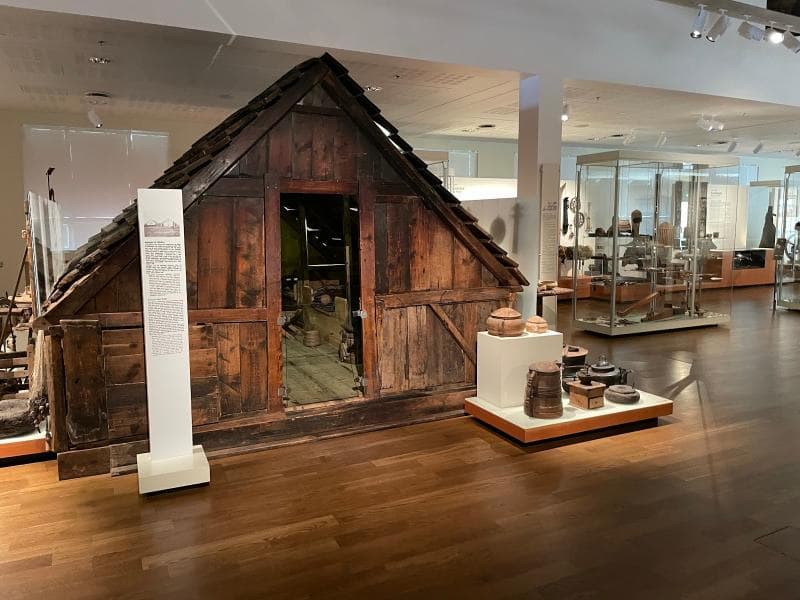
Explore over 1,200 years of Icelandic history and culture at the National Museum of Iceland in Reykjavik. Discover Viking artifacts, medieval treasures, and compelling stories from settlement to modern day. Essential for history buffs.
Overview
The National Museum of Iceland (Þjóðminjasafn Íslands) in Reykjavik serves as the primary institution for understanding the nation's rich cultural and historical heritage. It offers an expansive journey through Iceland's past, from its earliest settlements to the present day. With over 2,000 artifacts spanning 1,200 years, the museum comprehensively details how the island nation evolved and thrived in its unique environment. It is widely considered a must-visit for anyone seeking a deep dive into Icelandic identity and history.
The museum's flagship permanent exhibition, 'The Making of a Nation – Heritage and History in Iceland,' guides visitors chronologically through the country's development. This well-regarded attraction provides clear explanations and a meaningful cultural context, presenting a narrative that is both informative and engaging.
History & Cultural Background
The National Museum of Iceland was officially established on February 24, 1863. Initially, the collection was known as the Icelandic Antiquities Collection (Forngripasafns Íslands), with Jón Árnason, Iceland's national librarian, serving as its first curator. For many decades, the nascent collection was housed in various temporary locations around Reykjavik, often in the attics of significant buildings like the National Library, which is now the Culture House.
The institution was renamed the National Museum of Iceland in 1911. It wasn't until 1944, the year Iceland became an independent republic, that the Icelandic parliament, Alþingi, decided to construct a dedicated home for the museum. The museum finally moved to its current, modernist building at Suðurgata 41 in 1950, securing a permanent and prominent location for its invaluable collections.
What Makes It Special
What truly sets the National Museum of Iceland apart is its ability to tell a comprehensive story of a nation, from the rugged Viking Age settlers to contemporary life. The permanent exhibition, 'The Making of a Nation,' is designed as a captivating journey through time, commencing with a replica of a ship that would have carried early settlers and concluding with images of a modern airport, symbolizing Iceland's global connections. This narrative approach allows visitors to grasp the profound transformations and enduring resilience of the Icelandic people.
The museum houses a diverse array of artifacts, each contributing to this grand narrative. Highlights include the twelfth-century Valþjófsstaðir Church door, celebrated for its intricate carvings depicting a knight, a lion, and a dragon, and notably, the only Icelandic door with runic script. Another iconic piece is a small bronze figurine from the Viking Age, believed by many to represent the god Thor, dating to around 1000 AD. The redesigned exhibition in 2004 introduced interactive elements, making history accessible and engaging for all ages.
Stories, Fun Facts & Local Details
The Valþjófsstaðir Church door, beyond its artistic beauty, tells a poignant medieval legend of a knight who rescues a lion from a dragon, leading to an enduring companionship. Its unique runic inscriptions add another layer of mystery and historical significance. The small Viking Age statue, possibly depicting Thor, holds a tiny object that has sparked historical debate: is it a hammer, Thor's traditional weapon, or a Christian cross? This ambiguity subtly reflects Iceland's transition from pagan beliefs to Christianity, which was officially adopted around the year 1000.
Beyond its ancient artifacts, the museum also boasts an impressive collection of photographs, with over 6.5 million images documenting Icelandic life. A fun local detail is that Icelanders are known for their love of storytelling and literature; it's often said that one in ten Icelanders publishes a book in their lifetime, a testament to the nation's rich literary tradition. The museum actively preserves this cultural trait through its exhibitions and research. Visitors can also enjoy a free audio guide available in multiple languages, including a special children's version, enhancing their exploration of the exhibits.
Visitor Perspective
Located conveniently on Suðurgata Street, the National Museum of Iceland is within easy walking distance of Reykjavik's city center, making it readily accessible for travelers. Visitors consistently praise the museum for its high-quality exhibitions, clean environment, and extensive audio guide, which enriches the experience. Most visitors recommend allowing at least 2-3 hours to fully explore the permanent exhibition, though history enthusiasts could easily spend half a day or more delving into its detailed displays.
The museum is wheelchair accessible, with elevators and designated parking, ensuring a welcoming experience for all guests. It also features a cafe, offering refreshments and traditional Icelandic baked goods, situated under a beautiful glass roof – a pleasant spot to pause and reflect. A well-stocked gift shop provides a range of Icelandic-themed souvenirs, books, and replicas of artifacts, allowing visitors to take a piece of Icelandic history home. The National Museum has been recognized for its excellence, being voted Best Museum in Reykjavik by the Reykjavik Grapevine for several consecutive years.
Coordinates: -21.947742, 64.14196
View on Google Maps💬 How Travelers Describe This Place
Based on community votes
Unique
926Interesting
450Beautiful
404Photogenic
280Must See
246
Traveler Stories
Discover memorable experiences shared by travelers who have visited this place.
No traveler stories yet.
Be the first traveler to share what made this place memorable.
Things to see at National Museum Of Iceland



Tour
By
Spot
Discover amazing places around the world. Your journey starts here.
Explore
© 2026 TourBySpot. All rights reserved.