Medieval Displays
Reykjavik, Iceland
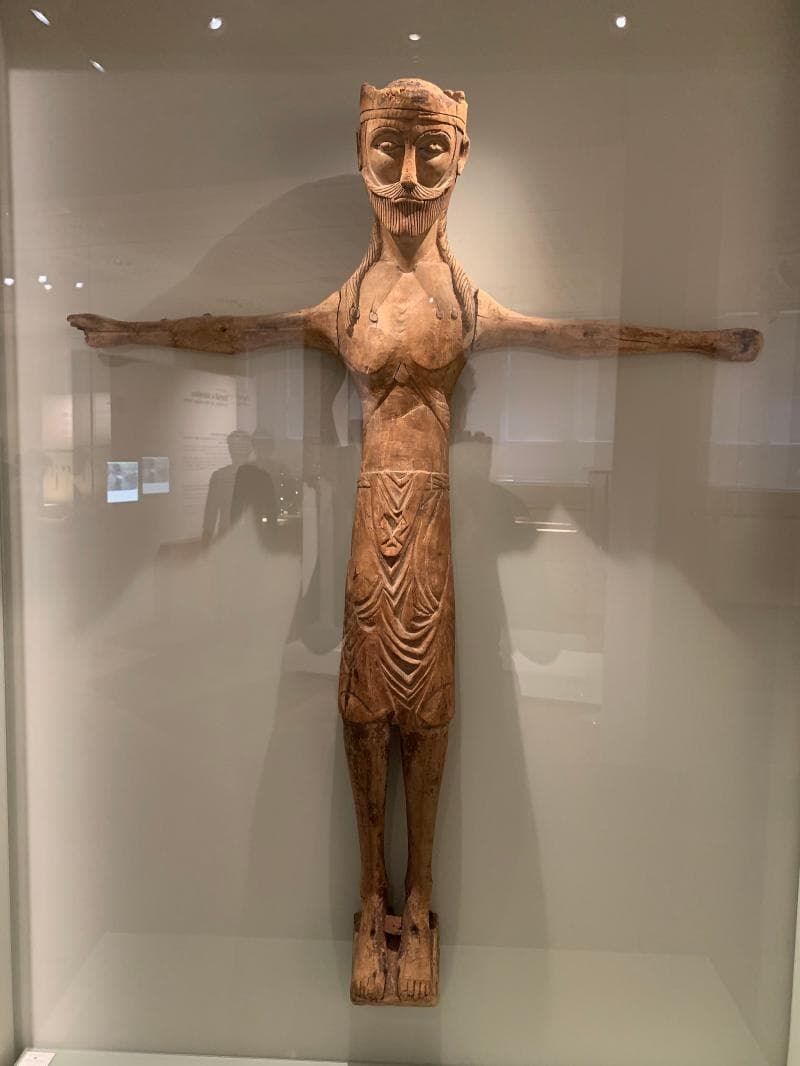
Explore Iceland's medieval history at the National Museum of Iceland in Reykjavik. Discover Viking artifacts, ancient manuscripts, and the famous Valþjófsstaður door.
Overview
The National Museum of Iceland (Þjóðminjasafn Íslands) in Reykjavík offers a captivating journey through the nation's past, and a significant portion of this experience is dedicated to its rich medieval history. While not a standalone 'Medieval Displays' section, the museum's permanent exhibition, 'Making of a Nation: Heritage and History in Iceland', meticulously guides visitors through the country's evolution from the earliest Viking settlements to the present day. This chronological narrative profoundly explores the medieval period, revealing the cultural, social, and religious transformations that shaped Iceland's unique identity.
Visitors can immerse themselves in the foundational centuries of Icelandic civilization, where over 2,000 artifacts from the Settlement Age onwards are thoughtfully displayed. The museum provides clear explanations, often enhanced with interactive elements and audio guides, ensuring a comprehensive understanding of this pivotal era.
History & Cultural Background
Iceland's medieval period truly begins with its settlement by Norse explorers, traditionally dating back to the late 9th century. This initial 'Viking Age' led into the establishment of the Icelandic Commonwealth in 930 AD, a remarkable period of self-governance marked by the Althing, one of the world's oldest parliamentary institutions. The museum's exhibits trace the fascinating transition from pagan beliefs, showcasing objects related to the old Norse gods, to the adoption of Christianity around 1000 AD. This conversion profoundly impacted Icelandic society, art, and law, a shift clearly evidenced in the artifacts. The medieval era also saw the flourishing of an extraordinary literary tradition, producing the sagas and Eddic poetry, which remain cornerstones of Icelandic cultural heritage.
What Makes It Special
The medieval section of the 'Making of a Nation' exhibition stands out for its collection of exceptional artifacts that bring history to life. Arguably the most celebrated is the Valþjófsstaður door, a beautifully carved pine church door dating from around 1150-1200 AD. Its intricate carvings depict the legend of a knight, a lion, and a dragon, and it features runic inscriptions, making it a unique piece of Icelandic medieval art. Another highlight is a small bronze figurine from the Viking Age, believed to represent the Norse god Thor, offering a rare glimpse into the island's pre-Christian spirituality. The museum also proudly displays early Icelandic Bibles and legal manuscripts, such as illuminated manuscripts from the 13th century and the 16th-century Guðbrandsbiblía, illustrating the development of the written word and the importance of law and religion in medieval Iceland. These treasures, alongside everyday objects, tools, and weapons from the Settlement Age, provide a tangible link to the lives and beliefs of early Icelanders.
Stories, Fun Facts & Local Details
The Valþjófsstaður door tells a captivating European legend, reimagined through Icelandic craftsmanship, about a knight who rescues a lion from a dragon, leading to a lifelong bond. This artwork not only showcases artistic skill but also hints at the rich storytelling tradition that was central to medieval Icelandic culture. Visitors will discover how early Icelandic settlers, navigating a harsh environment, displayed remarkable resourcefulness, evident in the blacksmithing tools and other implements on display. The chronological presentation allows one to observe the subtle but profound changes as Iceland transitioned from a pagan society to a Christian one, with religious artifacts like carved crosses and altarpieces gradually taking prominence alongside earlier artifacts. The museum effectively bridges the gap between historical fact and the vibrant narratives found in the Icelandic sagas, many of which recount events and figures from this very period.
Visitor Perspective
Exploring the medieval aspects within the National Museum of Iceland's 'Making of a Nation' exhibition is an enlightening experience for any curious traveler. The displays are thoughtfully arranged, creating an immersive journey through over a thousand years of history. With comprehensive explanations available in multiple languages and an included audio guide, visitors can delve deeply into the stories behind each artifact. The ability to walk through time, seeing the actual objects used by the first settlers, the symbols of their faith, and the artistry of their era, makes for a deeply engaging and memorable visit. It's an opportunity to connect directly with the resilience and ingenuity of the Icelandic people during their formative centuries in this isolated, yet culturally rich, land.
Coordinates: -21.9481, 64.142
View on Google Maps💬 How Travelers Describe This Place
Based on community votes
Beautiful
856Interesting
702Unique
295Photogenic
246Must See
191
Traveler Stories
Discover memorable experiences shared by travelers who have visited this place.
No traveler stories yet.
Be the first traveler to share what made this place memorable.

Tour
By
Spot
Discover amazing places around the world. Your journey starts here.
Explore
© 2026 TourBySpot. All rights reserved.