Religious Art Collection
Reykjavik, Iceland
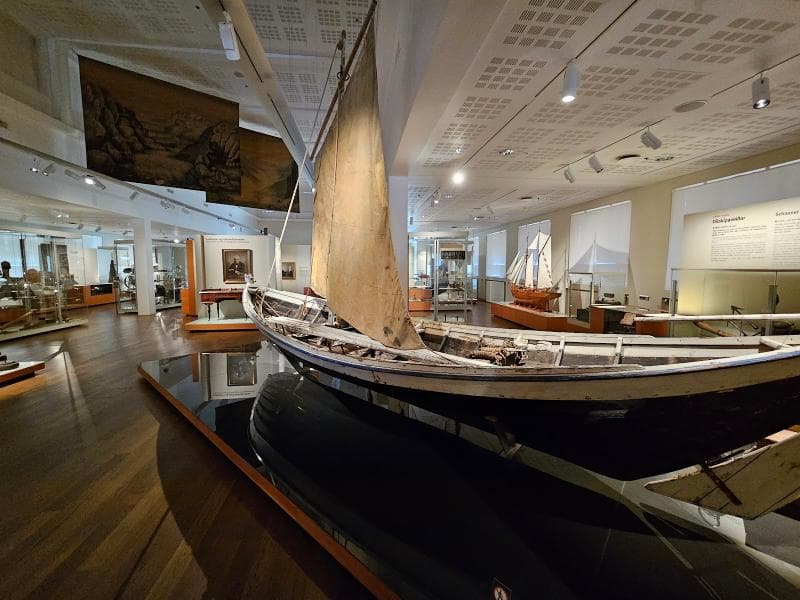
Explore the profound religious art and artifacts at the National Museum of Iceland in Reykjavik, tracing the nation's spiritual journey from paganism to Christianity. Discover medieval church art and the iconic Valþjófsstaðir Door.
Overview
Within the venerable halls of the National Museum of Iceland in Reykjavík, visitors can embark on a profound journey through the nation's spiritual past. While not a standalone collection titled 'Religious Art Collection,' the museum's comprehensive permanent exhibition, 'The Making of a Nation – Heritage and History in Iceland,' features a significant and deeply engaging display of religious art and artifacts. These treasures chronicle the spiritual evolution of Iceland, from its pagan roots to the introduction and flourishing of Christianity, and its subsequent transformations. The exhibition thoughtfully integrates these pieces, allowing them to illuminate key periods in Icelandic history and culture, offering a unique window into the beliefs and artistic expressions of bygone eras.
This segment of the museum's offerings provides a crucial understanding of how faith shaped Icelandic society, craftsmanship, and daily life. It presents a captivating blend of archaeological finds, ecclesiastical objects, and devotional art, each telling a story of resilience, adaptation, and enduring faith in a challenging environment. From intricately carved medieval pieces to liturgical items, the religious artifacts offer a compelling narrative that is central to the Icelandic identity.
History & Cultural Background
Iceland's religious history is a compelling saga of conversion and continuity. Initially, the early Norse settlers worshipped the Æsir gods of the Norse pantheon, a polytheistic belief system rich with myth and ritual. Around the year 1000 AD, a pivotal moment known as the 'conversion to Christianity' took place, largely through peaceful means. This shift profoundly influenced all aspects of Icelandic culture, including its art and societal structures.
The religious art on display at the National Museum reflects this dramatic transition. Early artifacts showcase the intertwining of pagan and Christian symbolism, often exhibiting a fascinating syncretism. As Christianity took firm root, a distinct tradition of Icelandic church art emerged, characterized by unique interpretations of European styles, often adapted to local materials and sensibilities. These pieces survived periods of religious reform, such as the Reformation in the 16th century, which led to the destruction of many Catholic artifacts in other parts of Europe. The museum's collection preserves these remnants, providing invaluable insights into medieval Icelandic Christianity.
What Makes It Special
The religious artifacts within the National Museum of Iceland are special due to their historical depth, artistic merit, and the unique cultural context of their creation. They serve as tangible links to Iceland's spiritual heritage, illustrating the profound impact of faith on its people. A standout piece is the Valþjófsstaðir Door, a remarkably preserved 13th-century church door adorned with intricate carvings. This door narrates a medieval tale of a knight, a lion, and a dragon, reflecting not only religious themes but also the rich storytelling traditions prevalent in medieval Iceland. It is considered a priceless artifact and provides evidence of advanced medieval artistry and cultural connections with continental Europe.
Another significant item is the Eyrarland Thor figure, a small bronze statue from around 1000 AD. Its ambiguous iconography – holding an object that resembles both Thor's hammer and a Christian cross – powerfully symbolizes the period of transition between paganism and Christianity in Iceland. This duality makes it a fascinating object of scholarly debate and a poignant representation of the nation's spiritual crossroads.
The collection also features a variety of other ecclesiastical objects, including carved crosses, altarpieces, chalices, and liturgical vestments, showcasing the skill of Icelandic artisans and the wealth that supported church art during the medieval period.
Stories, Fun Facts & Local Details
The Valþjófsstaðir Door's narrative of the 'Knight of the Lion' is not merely decorative; it's a window into the stories that captivated Icelanders centuries ago. The tale, found in both French legends like Chrétien de Troyes' 'Yvain' and Icelandic romance sagas, speaks to universal themes of courage and loyalty. The door is also notable for being one of the few medieval Icelandic artifacts to include runic inscriptions, adding another layer to its historical significance.
The presence of items like the Eyrarland Thor figure underscores the complex process of Christianization. Rather than an abrupt rejection of old beliefs, it was often a gradual assimilation, where familiar symbols were reinterpreted or merged. This tells a story of cultural negotiation, where the new faith sought common ground with existing traditions. The museum's display of embroidered altar frontals from convents further highlights the artistic contributions of religious communities, particularly women, to Iceland's cultural tapestry.
Visitor Perspective
Visiting the religious art section within the National Museum of Iceland is an immersive experience that deepens one's understanding of Icelandic heritage. The artifacts are thoughtfully curated, with clear descriptions in English, allowing visitors to connect with the historical and spiritual narratives. The chronological arrangement within 'The Making of a Nation' exhibition helps to contextualize these religious pieces, showing how they fit into the broader sweep of Icelandic history from the Age of Settlement to modern times.
Travelers are encouraged to take their time in this section, observing the intricate details of the carvings, the symbolism embedded in the figures, and the craftsmanship of the liturgical objects. It's an opportunity to reflect on the enduring power of faith and art to shape a nation's identity. The museum often provides audio guides, which can offer even richer insights into the stories behind these significant religious artworks. The experience is not just about viewing old objects, but about appreciating the spiritual foundations and artistic ingenuity that have shaped Iceland's unique cultural landscape.
Coordinates: -21.947999, 64.142137
View on Google Maps💬 How Travelers Describe This Place
Based on community votes
Photogenic
636Must See
450Beautiful
280Interesting
90Unique
38
Traveler Stories
Discover memorable experiences shared by travelers who have visited this place.
No traveler stories yet.
Be the first traveler to share what made this place memorable.

Tour
By
Spot
Discover amazing places around the world. Your journey starts here.
Explore
© 2026 TourBySpot. All rights reserved.