Photography Archive
Reykjavik, Iceland
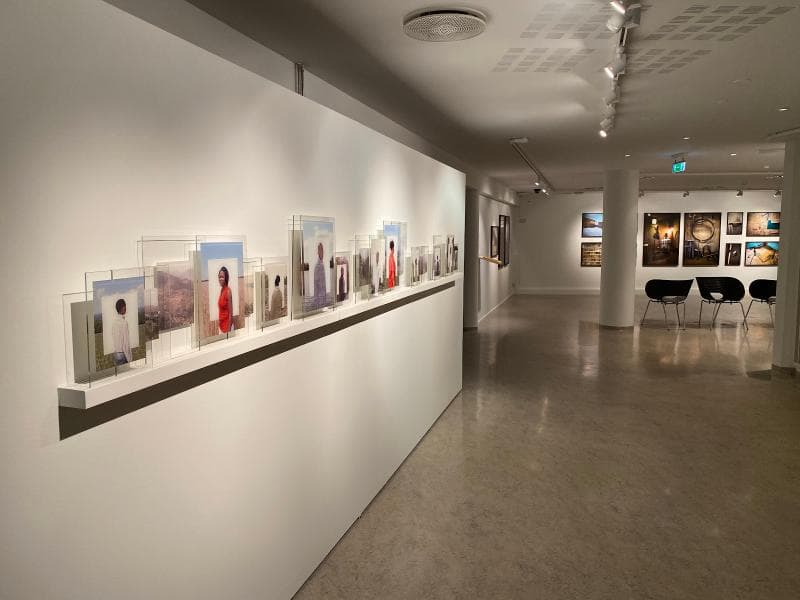
Explore the National Museum of Iceland's Photography Archive in Reykjavik, a vast collection of eight million images charting 1200 years of Icelandic history and culture.
Overview
Tucked within the esteemed National Museum of Iceland in Reykjavik lies a captivating sub-spot known as the Photography Archive, officially recognized as the Photograph and Print Collection. This extraordinary repository serves as an unparalleled visual chronicle of Iceland's rich history and vibrant culture. More than just an archive, it functions as a 'treasure chest' for anyone seeking to understand the essence of the Icelandic people and their journey through time. It proudly represents the largest category among the museum's extensive holdings, safeguarding approximately eight million photographs and prints. The collection spans the entire history of photography in Iceland, from its inception in 1839 right up to the turn of the millennium in 2000. Beyond photographs, it also meticulously preserves a curated selection of drawn and painted portraits, alongside scenes depicting Icelandic daily life from the 16th to the 19th centuries, offering a profound glimpse into bygone eras.
History & Cultural Background
The National Museum of Iceland, founded on February 24, 1863, has always been dedicated to the collection, documentation, preservation, and research of the nation's cultural heritage. The formal journey of photographic collection in Iceland specifically began at the museum in 1908 with the establishment of its Portrait Collection. This marked a pivotal moment, recognizing the immense value of visual records in understanding the country's evolution. Over the decades, the archive expanded significantly, accumulating images that capture the profound transformations Iceland underwent, from a sparsely populated, agrarian society to a modern, independent nation. The collection's growth parallels the nation's own story, serving as a silent witness to historical events, societal changes, and the enduring spirit of the Icelandic people. It provides crucial visual evidence that complements the artifacts and narratives found in the museum's main exhibitions, offering a deeper, more personal connection to the past.
What Makes It Special
What sets the Photography Archive apart is its sheer scale and the incredible breadth of its content. With roughly eight million images, it is an exhaustive visual encyclopedia of Icelandic life. This isn't just a random assortment; it's a carefully curated collection encompassing five main sub-collections. These include the Portrait Collection, which alone boasts around 55,000 photographs, tracing the faces of Icelanders since 1908. The Photograph and Print Collection adds another 37,000 images, while the Postcard Collections offer approximately 14,000 cards, each a snapshot of a particular place or sentiment. Perhaps most impressively, the Film and Plate Collections hold about four million images, sourced from professional photographers, studios, and enthusiastic amateurs, often forming comprehensive records of specific periods or themes. Additionally, Image Collections from institutions and companies, such as the major newspaper Morgunblaðið and the Icelandic National Broadcasting Service, provide unique perspectives on public life and media representation. This extensive and varied material makes it an indispensable resource for researchers, historians, and anyone keen to explore the visual history of Iceland.
Stories, Fun Facts & Local Details
The archive is a wellspring of countless individual stories, frozen in time. Imagine poring over photographs that document the construction of early hydroelectric plants, capturing the rugged landscape alongside nascent industrialization. Or discovering intimate family portraits that reveal the fashion, social customs, and daily routines of generations past. The presence of the Morgunblaðið newspaper's photograph collections means you can visually trace major news events and cultural shifts as they unfolded. Some images even connect directly to the museum's broader narratives; for instance, the main 'Making of a Nation' exhibition incorporates around 1000 photographs to illustrate Iceland's history from settlement to the present day, bringing historical artifacts to life through contextual imagery. While specific individual stories within the vast archive are too numerous to highlight here, the very act of browsing these collections, even digitally, offers a profound journey. It's a chance to see Iceland through the eyes of those who lived it, offering a unique and often surprising perspective on the country's unique cultural tapestry.
Visitor Perspective
For the curious traveler, visiting the National Museum of Iceland at Suðurgata 41, 101 Reykjavík, provides an excellent entry point into the visual history of the nation. While the main 'Making of a Nation' exhibition features a significant number of photographs integrated into its display of 1200 years of cultural history, the vast Photography Archive itself operates somewhat differently. A substantial portion of this 'treasure chest' of images is accessible online through the Sarpur database (sarpur.is), allowing anyone to explore its contents digitally. For those with specific research interests requiring physical access to the original materials or deeper engagement with the collection's specialists, it's important to note that the primary physical archive and its staff are located at Vesturvör 16-20 in Kópavogur, and visits are strictly by appointment only. This arrangement ensures the preservation of these invaluable cultural assets while still providing access to this incredible visual record of Icelandic life.
Coordinates: -21.9481, 64.142
View on Google Maps💬 How Travelers Describe This Place
Based on community votes
Unique
926Interesting
450Beautiful
404Photogenic
280Must See
246
Traveler Stories
Discover memorable experiences shared by travelers who have visited this place.
No traveler stories yet.
Be the first traveler to share what made this place memorable.

Tour
By
Spot
Discover amazing places around the world. Your journey starts here.
Explore
© 2026 TourBySpot. All rights reserved.