Viking Artifacts
Reykjavik, Iceland
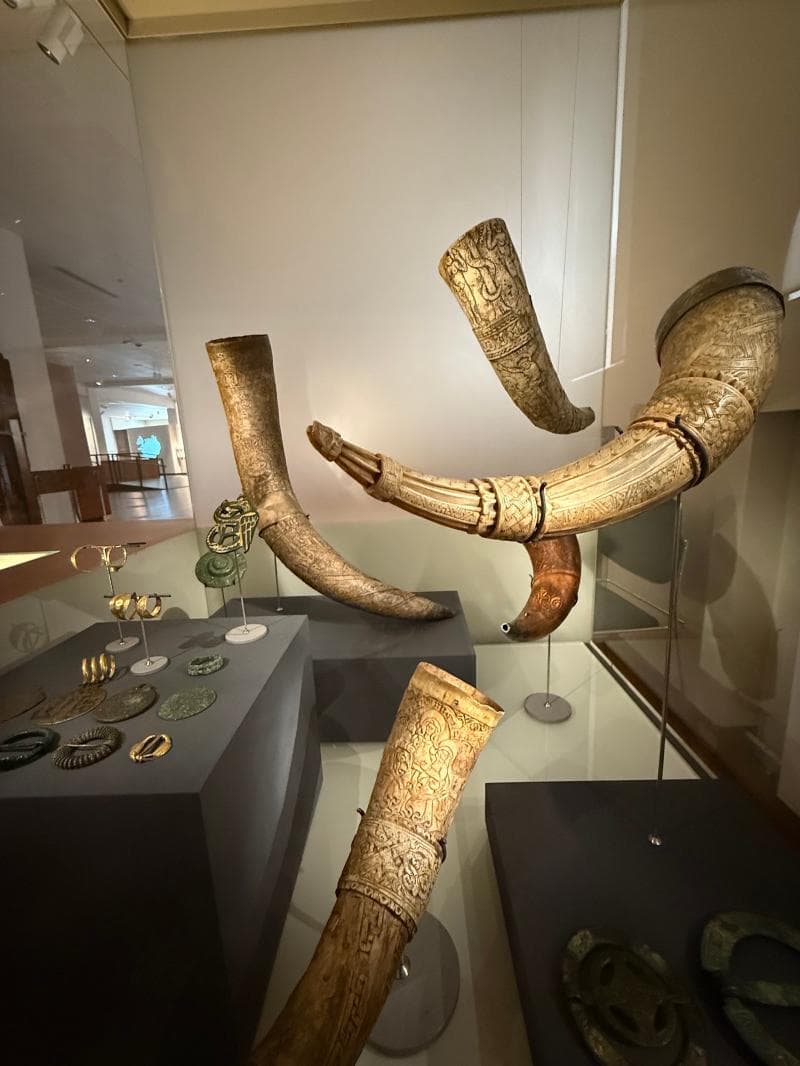
Explore Viking artifacts at the National Museum of Iceland in Reykjavik. Discover tools, the Eyrarland Thor statue, and Iceland's oldest runic inscription.
Overview
The National Museum of Iceland, known locally as Þjóðminjasafn Íslands, stands as a pivotal institution in Reykjavik, offering a profound journey through the nation's rich heritage. Within its esteemed halls, the permanent exhibition, 'The Making of a Nation – Heritage and History of Iceland,' meticulously chronicles the country's evolution from its earliest Viking settlements to the contemporary era. This comprehensive display features over 2,000 artifacts, providing a tangible link to Iceland's past. For those eager to understand the formative period of Iceland, the collection of Viking artifacts is particularly compelling, offering unparalleled insights into the daily lives, beliefs, and resourcefulness of the Norse settlers who first shaped this unique island nation.
Visitors can expect to explore a chronological narrative, enriched by a diverse array of objects that highlight the ingenuity and adaptation required to thrive in Iceland's challenging environment. The Viking artifacts, specifically, illuminate the practicalities and spiritual world of these early inhabitants, from their tools and domestic items to significant symbolic pieces that speak volumes about their cultural identity. The museum is celebrated for its ability to connect visitors intimately with Iceland's history, making it a must-visit for anyone seeking a deeper understanding of its foundational Viking Age.
History & Cultural Background
Iceland's story truly begins with the Viking Age, marked by the arrival of Norse settlers in the latter half of the ninth century. These intrepid seafarers and farmers established a new society on an uninhabited land, bringing with them their traditions, technologies, and beliefs. The National Museum of Iceland plays a crucial role in preserving and presenting the material culture of this foundational period. Established on 24 February 1863, the museum initially began as the 'Antiquarian Collection,' housing Icelandic artifacts that had previously been held in Danish museums during the colonial era.
The museum's collection matured over time, eventually finding its permanent home at Suðurgata 41 in 1950. The 'Making of a Nation' exhibition, redesigned in 2004, employs a broad chronological walkthrough format, guiding visitors from the first Norse settlers through the medieval commonwealth period and subsequent eras. This historical backdrop is essential for appreciating the Viking artifacts, as they are not merely objects but direct evidence of the sagas and daily realities of a society adapting to a new world. They represent the ingenuity and resilience that allowed a thriving culture to emerge on the edge of the Arctic.
What Makes It Special
The Viking artifacts at the National Museum of Iceland are distinguished by their direct connection to the island's unique settlement history. Among the most iconic pieces is the Eyrarland Statue of Thor, a small bronze figurine, merely 6.7 cm high, believed to depict the Norse god Thor. Discovered in 1815/1816, this enigmatic figure, dating to around 1000 AD, sparks fascinating discussions about the intersection of pagan beliefs and the nascent spread of Christianity in Iceland, as some speculate it might represent Christ or both.
Another remarkable find is a spindle whorl with runic inscriptions, considered the oldest inscription in Iceland. This seemingly simple object reveals the everyday integration of runic script and offers a rare linguistic glimpse into the Viking Age. The museum also showcases an impressive array of Viking tools, including hammers, saws, and blacksmithing equipment. These artifacts are not just implements; they are testaments to the settlers' craftsmanship, resourcefulness, and ability to forge a new life using the skills and knowledge brought from their homelands. A replica Viking ship bow further enhances the visitor's imagination, evoking the epic voyages that brought the first inhabitants to Iceland's shores.
While chronologically later, the Valþjófsstaður door, a meticulously carved pine church door from around 1150 AD, is another highlight. Although from the early medieval period rather than strictly Viking Age, its intricate carvings depict a knight, a lion, and a dragon, and notably feature runic inscriptions along its border, making it the only known carved Icelandic door with such script. This piece beautifully illustrates the continuation and evolution of artistic and storytelling traditions in Iceland following the initial settlement.
Stories, Fun Facts & Local Details
Beyond their historical significance, many Viking artifacts at the National Museum of Iceland carry captivating stories. The mystery surrounding the Eyrarland Statue of Thor—whether it represents the thunder god or an early Christian icon—invites visitors to ponder the spiritual crossroads of the Viking Age. Imagine the hands that meticulously carved the runes on the spindle whorl, creating the oldest known inscription on the island, a direct message from over a millennium ago.
The collection of everyday Viking tools, such as the wooden spade and blacksmithing implements, offers a 'fun fact' in itself: these seemingly mundane objects were critical for survival and establishment in a new, often unforgiving landscape. They tell a story of ingenuity, hard work, and adaptation. The sagas, while primarily literary works, form the narrative backbone of this era, and the museum's broader collection of manuscripts complements the tangible artifacts, bringing the heroic tales and daily struggles of the early Icelanders to life. These stories highlight the pioneering spirit and the deep connection to Norse heritage that shaped Icelandic identity. The museum's presentation often immerses visitors in a 'journey through time,' allowing them to visualize the entire settlement process.
Visitor Perspective
Exploring the Viking artifacts at the National Museum of Iceland is an immersive experience, designed to be both educational and engaging for curious travelers. The 'Making of a Nation' exhibition is thoughtfully laid out in a chronological format, making it easy to follow the progression of Icelandic history from its very beginnings. The museum enhances the visitor experience with multimedia installations and interactive displays that provide context and bring the past to life.
A particularly helpful feature is the free audio guide, available in multiple languages, which visitors can access on their smartphones. This allows for a self-paced exploration, providing detailed explanations and captivating narratives for each significant artifact. As you walk through the exhibits, you'll encounter not only the powerful symbols of the Viking Age but also the more intimate objects that reveal the texture of daily life—the clothes, household items, and personal adornments. Many visitors describe the museum as an essential stop for anyone wishing to grasp Iceland's unique cultural identity and its enduring connection to its Viking roots. It's a place where history isn't just displayed, but felt and understood, offering a profound appreciation for the nation's heritage.
Coordinates: -21.9481, 64.142
View on Google Maps💬 How Travelers Describe This Place
Based on community votes
Unique
984Must See
878Photogenic
856Beautiful
793Interesting
191
Traveler Stories
Discover memorable experiences shared by travelers who have visited this place.
No traveler stories yet.
Be the first traveler to share what made this place memorable.

Tour
By
Spot
Discover amazing places around the world. Your journey starts here.
Explore
© 2026 TourBySpot. All rights reserved.