National History Museum
Tirana, Albania
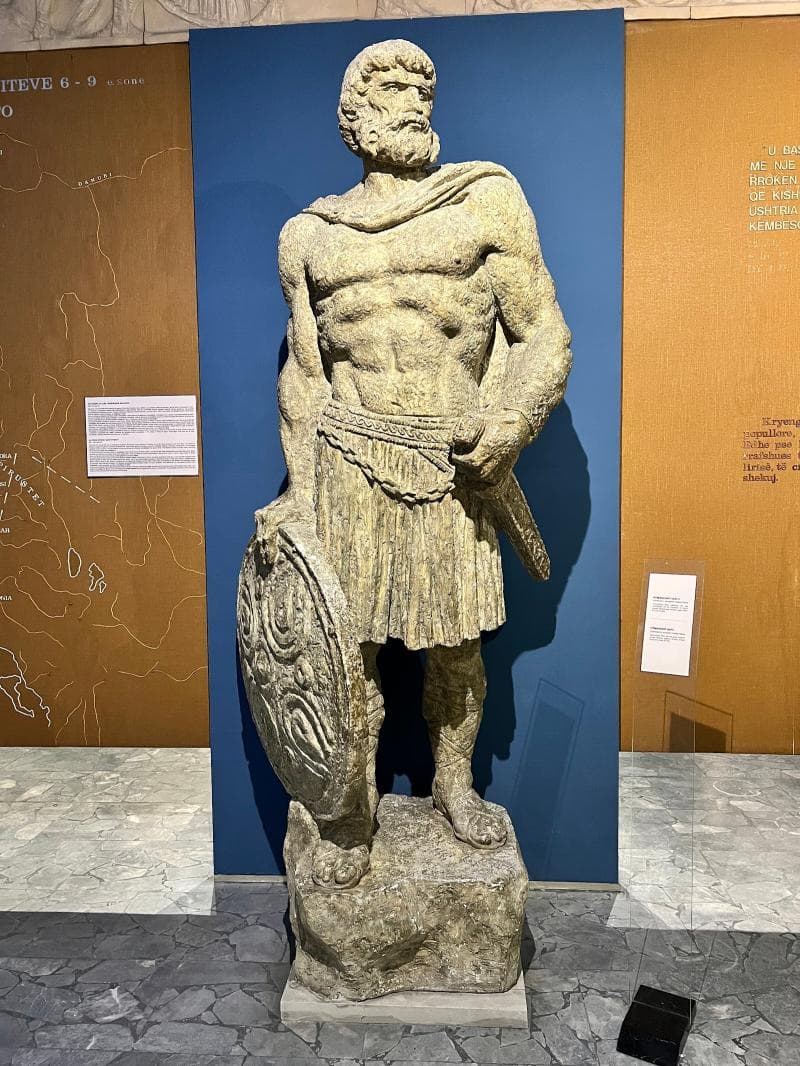
Explore Albania's rich past at the National History Museum in Tirana. Discover artifacts from antiquity to modern times and the iconic 'The Albanians' mosaic.
Overview
The National History Museum, or Muzeu Historik Kombëtar, stands as Albania's most significant museum, a grand repository of the nation's rich and complex journey through time. Located prominently on Skanderbeg Square in the heart of Tirana, its imposing presence and distinctive architecture immediately capture attention. Opened in 1981, this institution serves as the principal custodian and presenter of Albania's extensive historical narrative, spanning from prehistoric times to the modern era.
The museum's mission is to foster understanding and appreciation of Albanian history, aiming to engage both local and international audiences. It is a central landmark, housing thousands of artifacts that collectively tell the story of the Albanian people, their struggles, triumphs, and cultural evolution. Visitors embarking on a journey through its extensive halls gain invaluable insights into the diverse influences that have shaped this Balkan nation.
History & Cultural Background
The National History Museum was inaugurated on October 28, 1981, a monumental undertaking during Albania's communist era. Its establishment involved a dedicated team of specialists across various fields, including history, archaeology, ethnography, and architecture, reflecting a concerted effort to formally interpret and protect the nation's identity. The building itself is a notable example of Socialist Realism architecture, designed by Enver Faja and other architects.
Its design is symbolically layered: the lower, darker prism of the structure is said to represent the hardships of the past, while the upper, lighter prism embodies hope and progress. Before its construction, the site required the demolition of the former Tirana Municipal Building, underscoring the importance placed on this national institution.
What Makes It Special
Undoubtedly, the museum's most striking feature is the enormous mural mosaic titled 'The Albanians', adorning its main façade. This iconic Socialist Realist masterpiece, created by five Albanian artists, measures approximately 11 meters high and 40 meters long. It powerfully depicts figures from various epochs of Albanian history, symbolizing labor, education, and patriotism. From ancient Illyrian warriors to figures representing the fight against Ottoman rule, and eventually to modern workers and partisans, the mosaic offers a visual summary of the Albanian people's resilience and their continuous struggle for national identity and a better future.
Inside, the museum's comprehensive collection is organized into eight distinct pavilions, offering a chronological and thematic exploration of Albania's past. These include the Pavilion of Antiquity, showcasing artifacts from the Late Paleolithic to the early Middle Ages, featuring significant pieces like the 'Beauty of Durrës'. The Middle Ages Pavilion delves into the development from the 6th to the 15th centuries, including the Principality of Arber and the resistance led by Skanderbeg.
Stories, Fun Facts & Local Details
Among the thousands of objects, visitors will find unique artifacts that bring history to life. In the Middle Ages Pavilion, for instance, the 'Epitaph of Gllavenica' from 1373 is a special object that highlights the rich cultural heritage of the period. The Independence Pavilion showcases documents and records crucial to the nation's declaration of independence in 1912.
The museum also unflinchingly confronts Albania's more recent, difficult past with the Communist Terror Pavilion. Inaugurated in 2012, this section displays documents, photographs, and objects from the 1945-1990 one-party system, offering a stark reminder of the persecution and struggles endured under the communist regime. This pavilion, along with the Mother Teresa Pavilion, adds a profound human dimension to the historical narrative, reflecting both suffering and inspiration.
Visitor Perspective
For any curious traveler seeking a deep dive into Albanian culture and history, the National History Museum is an essential stop. It offers a structured journey through millennia, making it accessible for both students and general visitors. While the museum provides a comprehensive overview, it is important for prospective visitors to note that the museum is currently undergoing renovation and is expected to reopen in 2028.
Despite its temporary closure, the sheer scale and iconic mosaic of the building on Skanderbeg Square remain a significant landmark and a powerful symbol of Tirana. When it reopens, the museum will continue to serve as Albania's primary educational center, connecting visitors with the intricate past and dynamic cultural heritage of this fascinating country.
Coordinates: 19.81694, 41.32917
View on Google Maps💬 How Travelers Describe This Place
Based on community votes
Must See
722Interesting
595Unique
358Photogenic
196Beautiful
19
Traveler Stories
Discover memorable experiences shared by travelers who have visited this place.
No traveler stories yet.
Be the first traveler to share what made this place memorable.
Things to see at National History Museum



Tour
By
Spot
Discover amazing places around the world. Your journey starts here.
Explore
© 2026 TourBySpot. All rights reserved.