Medieval Pavilion
Tirana, Albania
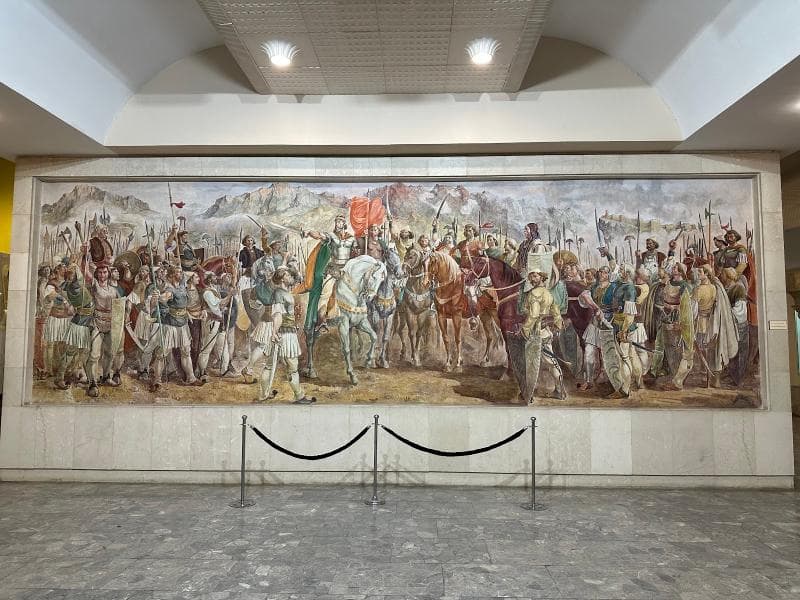
Explore the Medieval Pavilion at Tirana's National History Museum. Discover Albania's rich history from the 6th to 15th centuries through artifacts and stories.
Overview
The Medieval Pavilion, nestled within the expansive National History Museum in Tirana, Albania, offers a captivating journey through a pivotal era of Albanian history. Located on the museum's second floor, this pavilion is dedicated to showcasing the rich economic, social, political, and cultural development of the Albanian people from the 6th to the 15th century. It forms a crucial part of the museum's comprehensive narrative, tracing the nation's past from antiquity to the modern age.
As one of eight distinct pavilions, the Medieval Pavilion meticulously curated pieces that provide deep insights into the religious and feudal systems that shaped the region for centuries. It invites visitors to explore the foundational elements of Albanian identity during a period marked by significant transformations and challenges.
History & Cultural Background
The Medieval Pavilion illuminates a dynamic period for Albania, spanning from Late Antiquity through the Byzantine and early Ottoman influences. This era was characterized by the emergence of the first Albanian state formations and sustained efforts to preserve identity amidst foreign pressures. The exhibits portray the enduring resilience of the Albanian people against various invasions, including those from Byzantine, Angevin, Serbian, and Ottoman forces.
A significant focus is placed on the 12th to 14th centuries, considered a fundamental period in Albanian history due to the rise of local principalities. Among these, the Principality of Arber stands out as a crucial early Albanian state formation, highlighted within a dedicated section of the pavilion. The collection demonstrates Albania's integral role within the broader European medieval world, presenting a vivid account of the region's historical complexities and cultural interactions.
What Makes It Special
What truly distinguishes the Medieval Pavilion is its extensive and carefully curated collection of artifacts. Visitors can admire a remarkable array of icons, intricate stone carvings, and authentic medieval armaments that tell stories of bygone eras.
Among its most treasured exhibits is the Epitaph of Gllavenica, a stunning silk piece embroidered with gold thread, dating back to 1373. This artifact is not just a religious relic but also a significant historical document. Another notable display is the heraldic emblem of Karl Topia, a powerful Albanian prince, taken from the monumental portal of the Monastery of John Vladimir in Elbasan, symbolizing the dynastic changes of the time. The pavilion also features various original handcrafted weapons, coins, pottery, and a Byzantine treasury found in Kuçovë, all contributing to a comprehensive understanding of medieval Albanian life and its significant battles.
Stories, Fun Facts & Local Details
The Medieval Pavilion brings to life the stories of figures like Karl Topia, whose heraldic emblem serves as a tangible link to the Albanian principalities that shaped the country's medieval landscape. The mention of the Principality of Arber, established in the 12th century, reminds visitors of Albania's early assertion of statehood and unique cultural development.
Beyond the grandeur of princely emblems and religious art, the pavilion also touches upon the realities of daily life and military might, featuring medieval armaments and historical Albanian coins. It even includes a special section detailing Albanian Pashaliks, like those of Shkodra and Ioannina, led by families such as the Bushats and Ali Pasha Tepelena, illustrating the diverse power structures and periods of influence within the region. These details offer a fascinating glimpse into the lives and struggles of Albanians during a formative period, connecting visitors directly to the individuals and events that shaped their national narrative.
Visitor Perspective
A visit to the Medieval Pavilion at the National History Museum offers a comprehensive and educational dive into Albania's medieval past. It serves as an essential destination for anyone seeking to understand the complex evolution of the Albanian nation, providing insights into its cultural heritage and identity. The detailed exhibits and carefully presented artifacts create an immersive experience, allowing for a profound journey through time.
It is important for prospective visitors to note that the National History Museum, which houses the Medieval Pavilion, is currently undergoing renovations and is expected to reopen in 2028. Therefore, direct access to the pavilion is temporarily unavailable. When it reopens, however, the museum, as Albania's largest, promises a rich, thought-provoking, and unforgettable experience, providing a thorough overview of the country's history from ancient times to the modern era.
Coordinates: 19.81694, 41.32917
View on Google Maps💬 How Travelers Describe This Place
Based on community votes
Interesting
915Must See
211Unique
123Beautiful
74Photogenic
53
Traveler Stories
Discover memorable experiences shared by travelers who have visited this place.
No traveler stories yet.
Be the first traveler to share what made this place memorable.

Tour
By
Spot
Discover amazing places around the world. Your journey starts here.
Explore
© 2026 TourBySpot. All rights reserved.