Antiquity Pavilion
Tirana, Albania
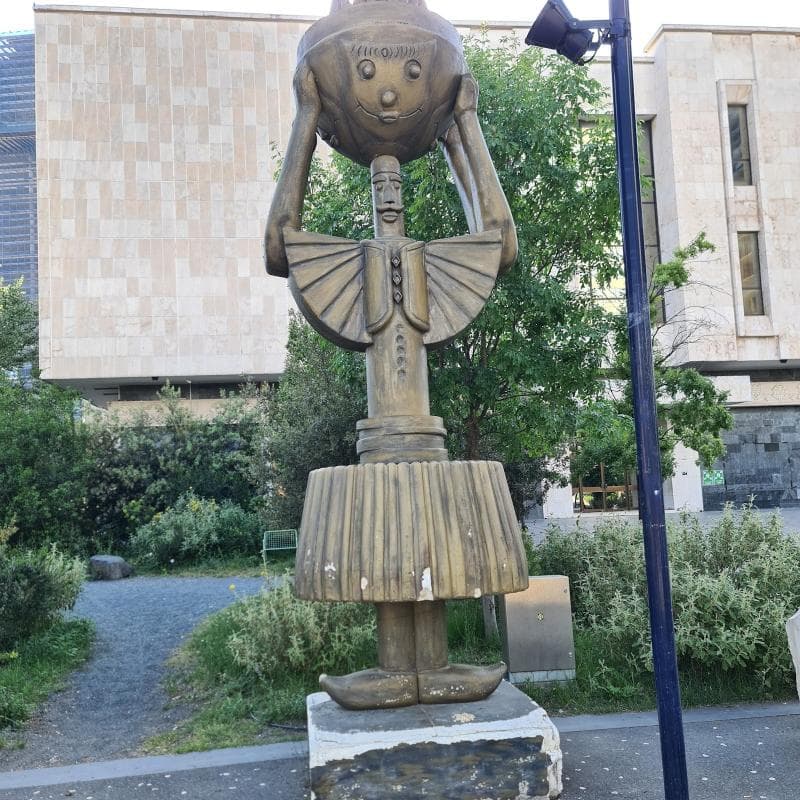
Explore the Antiquity Pavilion at Tirana's National History Museum, uncovering Albania's ancient past from Illyrian civilizations to Roman influences.
Overview
Stepping into the Antiquity Pavilion of the National History Museum in Tirana, Albania, is like embarking on a captivating journey through the dawn of Albanian civilization. This significant section of the museum offers a profound look into the country's earliest epochs, spanning from the Late Paleolithic era through the early Middle Ages. It is widely regarded as the most important and richest pavilion within the entire National History Museum, housing hundreds of invaluable artifacts that narrate the compelling story of ancient Illyria and its intricate connections with the Greek and Roman worlds. Visitors are invited to explore the foundational layers of Albanian heritage, uncovering the cultural, social, and economic developments that shaped this fascinating land.
History & Cultural Background
The National History Museum itself was inaugurated on October 28, 1981, established as Albania's premier institution for preserving and presenting the nation's historical trajectory. The Antiquity Pavilion specifically delves into a vast chronological period, beginning with evidence of prehistoric cultures flourishing in the region, particularly exemplified by finds from sites like Maliq. It meticulously traces the evolution of the Illyrian civilization, the indigenous people of these lands, and their interactions with the powerful Greek and Roman empires that left an indelible mark on the Adriatic and Ionian coasts. The pavilion’s collection covers roughly four millennia of history, presenting a narrative of continuous settlement and cultural exchange.
Through a curated selection of archaeological treasures, the pavilion sheds light on the daily lives, religious beliefs, artistic expressions, and political structures of these ancient societies. It illustrates how the Illyrians developed distinct cultural traits while also absorbing influences from their Mediterranean neighbors, forging a unique identity that forms the bedrock of modern Albanian heritage. The exhibits provide crucial insights into the formation of urban centers, trade networks, and societal organization during these formative periods.
What Makes It Special
The Antiquity Pavilion distinguishes itself through the sheer historical depth and the extraordinary quality of its exhibits. With approximately 400 to 585 objects on display, it offers a comprehensive and intimate encounter with Albania's ancient past. Among its most celebrated treasures is the iconic 'Beauty of Durrës', the oldest mosaic discovered in Albania, dating back to the 4th century BC. This exquisite piece, depicting a woman's head, is a testament to the sophisticated artistic achievements of the Hellenistic period in the region.
Another remarkable artifact is the 'Dea of Butrint', a marble bust that has become an emblematic representation of Albania's rich archaeological legacy. The pavilion also proudly showcases sculptures such as those of Apollo and the head of Artemis, alongside significant finds from the Monumental Tomb of Lower Selca, including a rare silver laurel belonging to an Illyrian prince. These artifacts collectively provide a tangible link to the powerful Illyrian kings and queens who once ruled these lands, offering a window into their grandeur and cultural practices.
Stories, Fun Facts & Local Details
Beyond the grand narratives, the Antiquity Pavilion holds many fascinating details that bring history to life. Imagine the ancient Illyrians, a people with a rich spiritual world, worshipping deities like Medaura, the God of War, depicted as an armed cavalryman, or Redon, the God of the Sea, often shown as a man's head in profile. These mythological figures not only reflect their beliefs but also their close relationship with warfare and the sea, crucial elements of their existence.
A bronze figurine of a Sphinx, unearthed in Antigone and dating to the 3rd century BC, captures the imagination with its beautiful female face, eagle wings, and lion claws, hinting at the mythological richness that permeated ancient Illyrian society. The exhibits also include everyday objects, pottery, and ancient coinage from cities like Durrës and Apollonia, offering a glimpse into the bustling trade and daily routines of communities thousands of years ago. These smaller, personal items connect visitors directly to the individuals who lived and thrived in this ancient landscape, making the distant past feel remarkably present.
Visitor Perspective
For any traveler passionate about history and culture, the Antiquity Pavilion offers an unparalleled opportunity to connect with the deep roots of Albanian civilization. It serves as an essential starting point for understanding the complex layers of Albania's identity, from its prehistoric origins to the formative classical periods. While the National History Museum is a treasure trove of information, it is important for prospective visitors to note that the museum, including the Antiquity Pavilion, is currently closed for a major restoration and reconstruction project. This closure is anticipated to last until March 15, 2028. Despite this temporary closure, the museum's grand facade, adorned with the monumental 'The Albanians' mosaic, remains a notable landmark in Tirana's Skanderbeg Square, worth observing even from the outside.
Coordinates: 19.81716, 41.32927
View on Google Maps💬 How Travelers Describe This Place
Based on community votes
Photogenic
926Must See
703Interesting
646Unique
380Beautiful
291
Traveler Stories
Discover memorable experiences shared by travelers who have visited this place.
No traveler stories yet.
Be the first traveler to share what made this place memorable.

Tour
By
Spot
Discover amazing places around the world. Your journey starts here.
Explore
© 2026 TourBySpot. All rights reserved.