Archaeological Exhibits
Tirana, Albania
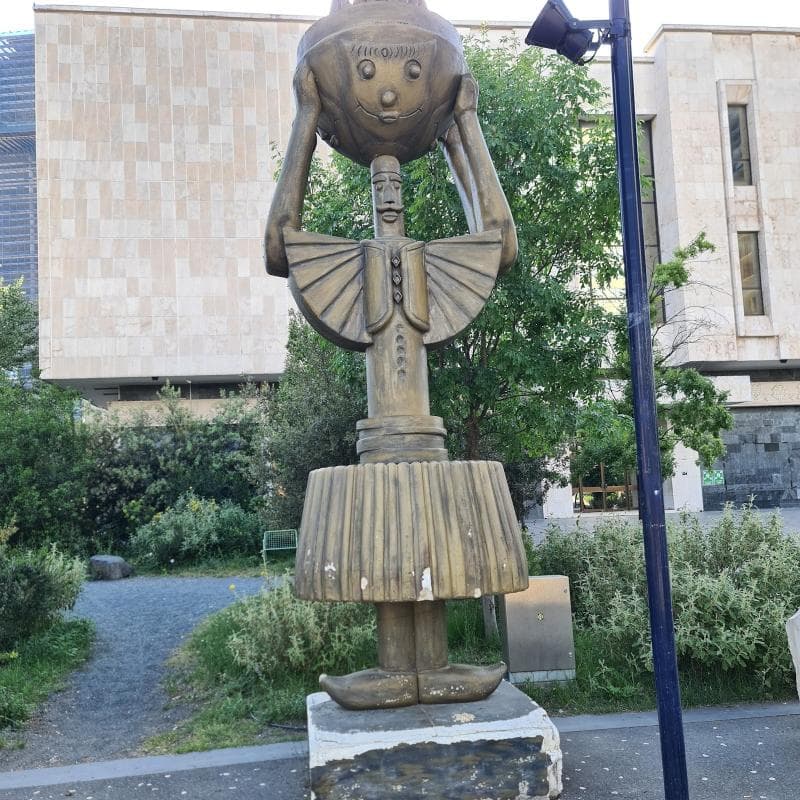
Discover ancient Albanian history at the Archaeological Exhibits in Tirana's National History Museum, exploring artifacts from the Stone Age to the Middle Ages.
Overview
Stepping into the Archaeological Exhibits within Tirana's National History Museum offers a profound journey through Albania's ancient past. This segment of the museum serves as a remarkable repository of the nation's earliest stories, meticulously showcasing artifacts that span millennia. From the Stone Age to the early Middle Ages, visitors are presented with a chronological narrative of human civilization on Albanian lands. The museum, specifically its Antiquity and Medieval Pavilions, houses a vast collection of archaeological treasures, providing an invaluable insight into the cultures that shaped this region.
These exhibits are crucial for understanding the foundational layers of Albanian history, revealing the lives, beliefs, and artistic expressions of its ancient inhabitants, including the venerable Illyrians. With thousands of objects on display, the archaeological section aims to educate and inspire, bridging the gap between today's traveler and the echoes of a distant past.
History & Cultural Background
Albania's rich cultural tapestry is deeply woven with threads from its ancient past, and the Archaeological Exhibits illuminate these foundational epochs. The region boasts a continuous human presence dating back to the Late Paleolithic period, with significant evidence of prehistoric cultures flourishing here. The Neolithic period, particularly from the mid-4th millennium until approximately 2600 BC, is well-represented, showcasing early agricultural and settled societies.
The exhibits trace the progression from these early communities to the emergence of the Illyrians, considered the ancestors of modern Albanians. Artifacts from the Illyrian, Greek, Roman, and Byzantine eras vividly depict a land that was a crossroads of civilizations, absorbing influences while maintaining its distinct identity. The collection extends through the early Middle Ages, detailing economic, social, political, and cultural developments from the 6th to the 15th centuries. This historical depth underscores Albania's enduring heritage and its significant role in the broader Mediterranean context.
What Makes It Special
What truly distinguishes the Archaeological Exhibits at the National History Museum is the sheer breadth and depth of its collection, offering a comprehensive look at Albania's antiquity. The Antiquity Pavilion alone is recognized as one of the museum's most significant and artifact-rich sections, featuring 585 objects that tell a story from the Late Paleolithic to the 8th century AD.
Among the many treasures, visitors can encounter pieces reflecting the prehistoric cultures discovered in areas like Maliq, alongside later finds illustrating the Illyrian civilization's sophistication. The 'Beauty of Durrës,' an exceptional example of Hellenistic art, once held a prominent place, symbolizing the artistic prowess of the ancient period. Similarly, the Medieval Pavilion boasts unique items such as the Epitaph of Gllavenica, dating back to 1373, which provides a tangible link to medieval craftsmanship and religious life. These artifacts collectively provide a unique window into a dynamic history, allowing one to physically connect with the ancient roots of a vibrant nation.
Stories, Fun Facts & Local Details
Imagine the hands that shaped a Neolithic pot, or the eyes that once gazed upon a Roman mosaic. The archaeological finds displayed here aren't just objects; they are storytellers. Each piece whispers tales of daily life, ancient rituals, powerful rulers, and forgotten artisans. Consider the journey of a simple tool from the Stone Age, surviving millennia to rest within these walls, offering a silent testament to human ingenuity. The extensive collection of 6200 archaeological treasures, dating from the 4th millennium BC, allows visitors to trace the evolution of Albanian society, from tribal structures to the formation of early states.
The museum itself, inaugurated on November 28, 1981, during the communist era, embodies a piece of more recent Albanian history. Its monumental design and the iconic mosaic on its facade, titled 'The Albanians,' which depicts figures from various historical periods, set the stage for the deep historical dive within. Exploring these exhibits offers a unique opportunity to appreciate how deeply intertwined Albania's identity is with its ancient past, often marked by resilience and a rich cultural exchange with neighboring civilizations.
Visitor Perspective
For the curious traveler, the Archaeological Exhibits promise an immersive educational experience. Walking through the Antiquity and Medieval Pavilions, you'll embark on a chronological journey, beginning with the earliest traces of human habitation and progressing through the epochs that forged the Albanian identity. The sheer volume and diversity of artifacts—from pottery and tools to intricate jewelry and religious artifacts—provide ample material for contemplation and discovery.
While the National History Museum aims to provide a comprehensive look, it is important for visitors to be aware that the museum has reportedly been undergoing renovations and may be temporarily closed until 2028. Therefore, it is highly recommended to check the official website or contact the museum directly for the most up-to-date information on opening hours and accessibility before planning your visit. When accessible, prepare to dedicate several hours to fully absorb the wealth of historical information and the profound narratives embedded in each display, gaining a deeper appreciation for Albania's enduring legacy.
Coordinates: 19.81691, 41.32927
View on Google Maps💬 How Travelers Describe This Place
Based on community votes
Beautiful
799Interesting
424Photogenic
234Must See
181Unique
30
Traveler Stories
Discover memorable experiences shared by travelers who have visited this place.
No traveler stories yet.
Be the first traveler to share what made this place memorable.

Tour
By
Spot
Discover amazing places around the world. Your journey starts here.
Explore
© 2026 TourBySpot. All rights reserved.