Independence Hall
Tirana, Albania
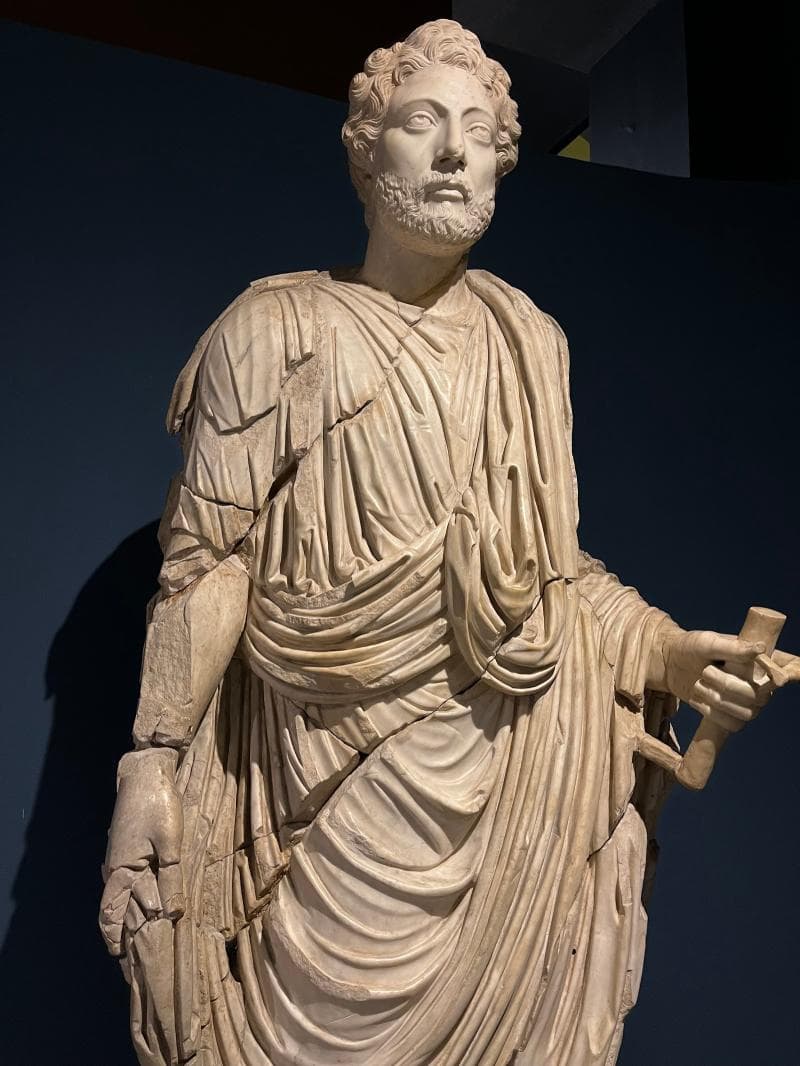
Discover Tirana's Independence Pavilion inside the National History Museum, exploring Albania's 1912 declaration and path to sovereignty.
Overview
The National History Museum, Albania's largest and most significant museum, stands proudly in the heart of Tirana. Among its many distinguished exhibitions, the Independence Pavilion offers a profound journey into the country's formative years. This dedicated space vividly chronicles Albania's pivotal struggle for self-determination, focusing on the crucial period from its Declaration of Independence in 1912 through 1939. It serves as a vital repository of national memory, inviting visitors to connect with the defining moments that shaped modern Albania.
As you explore the pavilion, you'll encounter a carefully curated collection of artifacts, documents, and visual narratives that bring this vibrant era to life. It is more than just an exhibition; it is a testament to the resilience and enduring spirit of the Albanian people in their quest for sovereignty.
History & Cultural Background
The story told within the Independence Pavilion begins with the most momentous event in modern Albanian history: the Declaration of Independence on November 28, 1912. This act, proclaimed in Vlorë by Ismail Qemali and a group of national delegates, marked the end of centuries of Ottoman rule and laid the foundation for the Albanian state. The pavilion meticulously reflects the key historical moments that followed this declaration, including the formation of the Provisional Government of Albania, a crucial step in establishing national administration.
Visitors can delve into the complexities of the era, such as the Conference of Ambassadors in London (1912-1913), where Albania's borders and international status were debated among European powers. The exhibition also touches upon the brief reign of Prince Wied in 1914, highlighting the early challenges and efforts to consolidate the nascent Albanian state. These events collectively underscore the immense political and diplomatic struggles faced by Albania in securing its place on the world stage.
What Makes It Special
The Independence Pavilion distinguishes itself through its display of profoundly significant historical objects that provide tangible links to Albania's past. Imagine seeing the original pen believed to have been used to sign Albania's Declaration of Independence, an artifact that embodies the very moment of nationhood.
The exhibition also features portraits of the 40 signatories of the Declaration, offering a glimpse into the faces of those who shaped the country's destiny. Original flags from the Independence period, telegrams sent and received by the Provisional Government via a telegraphic apparatus during 1912-1914, and original manuscripts and newspapers from that time further enrich the narrative. These items collectively offer an unparalleled, authentic experience, making the abstract concept of independence feel immediate and real. They are not merely relics; they are storytellers of a nation's birth.
Stories, Fun Facts & Local Details
Beyond the formal displays, the Independence Pavilion carries a deep emotional resonance for Albanians, particularly around national holidays like Independence Day (November 28). On such occasions, the museum traditionally becomes a focal point for locals and tourists alike, drawing thousands who wish to connect with their heritage.
The broader National History Museum, which houses the pavilion, is itself an iconic landmark. Its façade is adorned with a monumental mosaic titled 'The Albanians,' depicting figures from various epochs of Albanian history, from antiquity to modern times. While distinct from the Independence Pavilion, this mosaic visually sets the stage for the epic story of national struggle and triumph that unfolds within the museum's walls. The presence of artifacts like the pen used for the declaration of independence highlights the individual actions that collectively led to the nation's freedom.
Visitor Perspective
For travelers planning a visit, it's important to note that the National History Museum, including the Independence Pavilion, is currently undergoing renovations and is expected to reopen in 2028.
Once reopened, visitors can anticipate a comprehensive and engaging experience. The museum is renowned for its educational resources, including guided tours and audio guides, which will undoubtedly enhance the understanding of the Independence Pavilion's exhibits. Its central location on Skanderbeg Square makes it easily accessible and an integral part of any historical exploration of Tirana. When the doors reopen, a visit to the Independence Pavilion will offer a profound opportunity to immerse oneself in Albania's heroic journey to independence, fostering a deeper appreciation for its history and cultural identity.
Coordinates: 19.81694, 41.32917
View on Google Maps💬 How Travelers Describe This Place
Based on community votes
Photogenic
703Unique
521Must See
477Beautiful
157Interesting
28
Traveler Stories
Discover memorable experiences shared by travelers who have visited this place.
No traveler stories yet.
Be the first traveler to share what made this place memorable.

Tour
By
Spot
Discover amazing places around the world. Your journey starts here.
Explore
© 2026 TourBySpot. All rights reserved.