Ming Tombs
Beijing, China
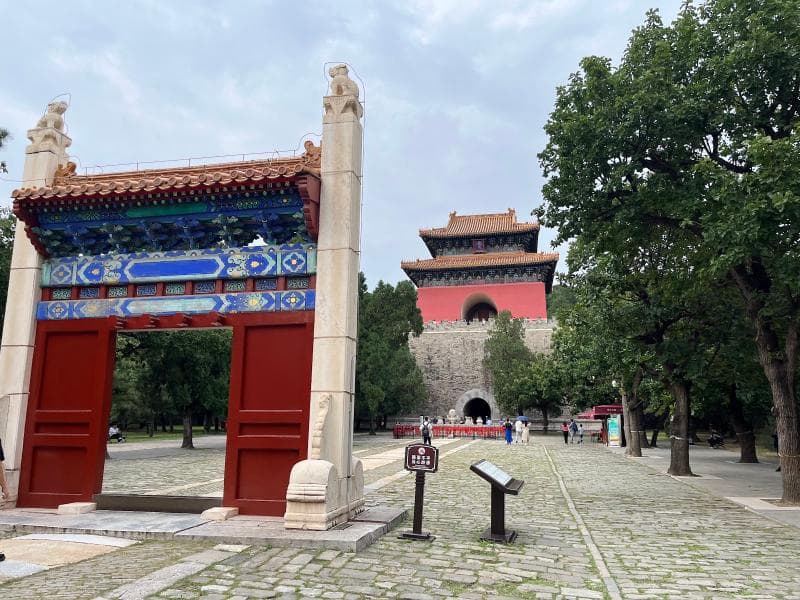
Explore the Ming Tombs in Beijing, China, a UNESCO World Heritage site housing 13 Ming Dynasty emperors. Discover imperial history and ancient burial customs.
Overview
Nestled amidst the serene Tianshou Mountains, approximately 50 kilometers northwest of Beijing's bustling city center, lie the majestic Ming Tombs, a vast imperial necropolis housing the mausoleums of 13 emperors from China's Ming Dynasty (1368–1644). This sprawling site, known in Chinese as 'Shisanling' or the 'Thirteen Tombs', encompasses an area of over 40 square kilometers, embodying centuries of imperial grandeur and ancient Chinese burial traditions. It serves as a profound testament to the Ming Dynasty's power and cultural beliefs, meticulously designed to harmonize with the surrounding natural landscape. In 2003, the Ming Tombs were deservedly inscribed on the UNESCO World Heritage List, recognized as an integral part of the 'Imperial Tombs of the Ming and Qing Dynasties'.
Today, visitors can explore the awe-inspiring Sacred Way, the ceremonial entrance to the tombs, and three of the thirteen mausoleums: Changling, Dingling, and Zhaoling. Each offers a unique glimpse into the elaborate customs and architectural prowess of the Ming era, promising a journey back in time for curious travelers.
History & Cultural Background
The history of the Ming Tombs dates back to 1409 when Emperor Yongle (Zhu Di), the third Ming ruler and the one who relocated the capital to Beijing, initiated the construction of his own mausoleum, Changling. His choice for the burial ground was guided by strict Feng Shui principles, selecting an arc-shaped valley at the foot of Tianshou Mountain. This location was believed to deflect 'bad spirits and evil winds' from the north and provide a 'pristine, quiet valley full of dark earth, tranquil water', ensuring eternal peace and prosperity for the imperial lineage. Over the next two centuries, twelve succeeding emperors followed suit, building their final resting places in this sacred valley, completing the complex by 1644.
The meticulous planning and construction reflect the ancient Chinese belief that 'the deceased is as important as the living, and death is as significant as existence'. The tombs were conceived not merely as burial sites but as extensions of the imperial palace, mirroring the Forbidden City in their red walls, yellow tiles, and intricate architecture. This philosophy aimed to provide the emperors with a luxurious and dignified afterlife, surrounded by their empresses, concubines, and other imperial family members.
What Makes It Special
The Ming Tombs stand out for several reasons, primarily their harmonious integration with nature, guided by profound Feng Shui philosophy. British historian Joseph Needham even described them as 'the greatest example of integrating architecture and landscape art'. The entire complex is a masterpiece of imperial planning, where mountains, rivers, and man-made structures blend seamlessly.
The centerpiece of the approach is the Sacred Way, a seven-kilometer long ceremonial avenue flanked by 36 imposing stone statues. These guardians, including mythical creatures, civil officials, and military generals, were carved from single pieces of white marble and symbolize the supreme authority and protective power over the imperial spirits. Walking along this path offers a powerful sense of entry into a sacred realm.
Among the open tombs, Dingling is particularly unique as it is the only one whose underground palace has been fully excavated and is accessible to the public. This underground chamber, discovered between 1956 and 1958, provides a rare and intimate look into the intricate burial customs and the vast treasures interred with Emperor Wanli and his two empresses.
Stories, Fun Facts & Local Details
One fascinating aspect of the Ming Tombs is the grand stone archway that marks the very beginning of the Sacred Way. Built in 1540, it remains one of the largest stone archways in China. Imagine the immense effort required to transport and carve such colossal stones centuries ago. The dedication extended even to construction materials, with some bricks weighing about 25 kilograms and imprinted with the word 'shou' (longevity).
The sheer scale of the Ming Tombs can be surprising. As a local guide noted, visitors often struggle to believe that an entire hill could constitute an emperor's tomb, illustrating the immense imperial authority that extended even into the afterlife. While only three tombs are currently open, a plan is underway to open all 13 tombs to the public by 2030, offering an even more comprehensive exploration of this significant historical site.
Visitor Perspective
A visit to the Ming Tombs offers a serene and contemplative experience, a stark contrast to the vibrancy of Beijing. It is advisable to dedicate at least half a day to fully appreciate the Sacred Way and one or two of the open tombs, especially Changling and Dingling. Comfortable walking shoes are highly recommended as exploring the vast grounds involves a fair amount of walking, particularly along the Sacred Way.
Starting your exploration at the Sacred Way allows you to follow the ancient ceremonial path, immersing yourself in the historical journey. Changling, as the largest and oldest, showcases impressive architecture, while Dingling offers the unique opportunity to descend into an excavated underground palace. The site's tranquil atmosphere, framed by the surrounding mountains and rich history, provides a profound connection to China's imperial past and a deeper understanding of its cultural heritage.
Coordinates: 116.22955, 40.29825
View on Google Maps💬 How Travelers Describe This Place
Based on community votes
Beautiful
836Unique
797Photogenic
396Interesting
286Must See
255
Traveler Stories
Discover memorable experiences shared by travelers who have visited this place.
No traveler stories yet.
Be the first traveler to share what made this place memorable.
Things to see at Ming Tombs



Tour
By
Spot
Discover amazing places around the world. Your journey starts here.
Explore
© 2026 TourBySpot. All rights reserved.