Sacred Way
Beijing, China
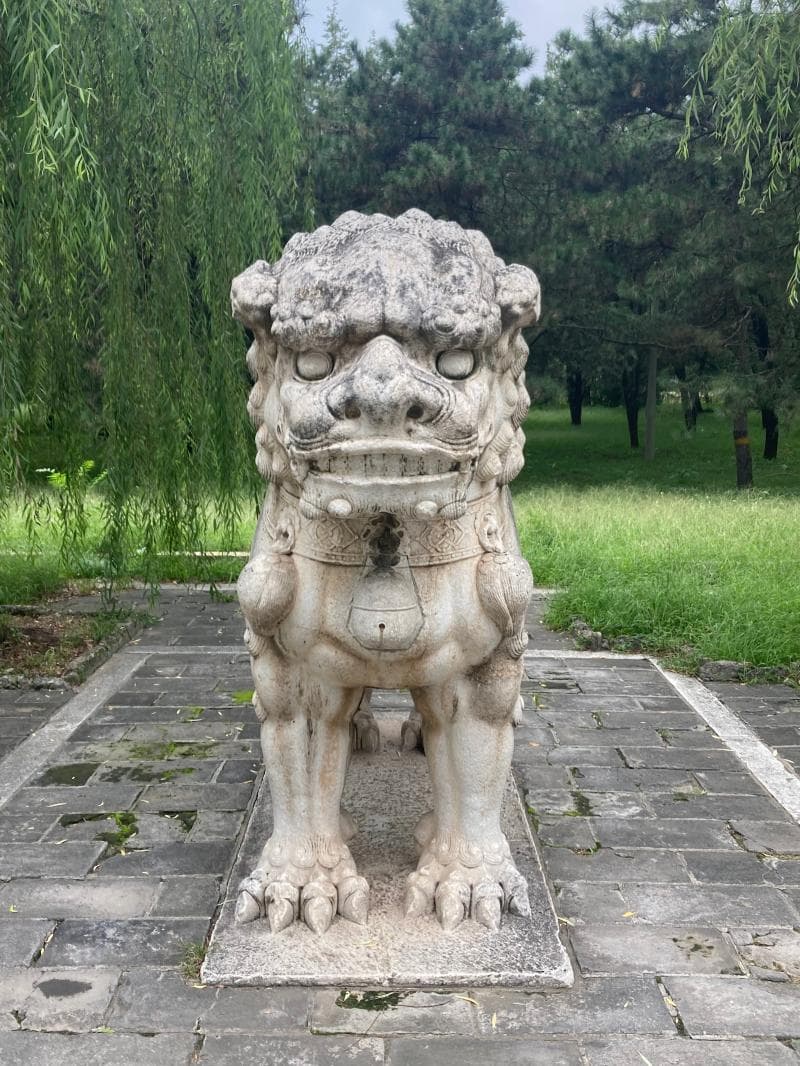
Explore the Sacred Way at Beijing's Ming Tombs, a UNESCO site. Discover ancient imperial burial routes, symbolic stone guardians, and rich history in China.
Overview
Stepping onto the Sacred Way, or 'Shen Dao', at the Ming Tombs in Beijing, China, is akin to walking through a living scroll of imperial history. This majestic pathway serves as the grand ceremonial entrance to the sprawling complex of the Ming Dynasty imperial burial grounds, a UNESCO World Heritage Site nestled peacefully at the foot of Tianshou Mountain. Stretching for approximately seven kilometers, the Sacred Way is far more than just a road; it is a meticulously planned spiritual avenue designed to guide the souls of the deceased emperors, symbolizing their journey to and from the heavens. Its path is graced by a series of significant architectural elements, including a monumental stone memorial archway, the imposing Great Red Gate, and a revered Stele Pavilion, culminating in an awe-inspiring procession of larger-than-life stone statues that stand as silent guardians to the imperial necropolis.
History & Cultural Background
The concept of a 'Sacred Way' leading to imperial tombs has roots stretching back thousands of years in Chinese history, reflecting ancient beliefs about honoring the dead as if they were still alive. The Ming Tombs complex, including the Sacred Way, was established on principles of Feng Shui, ensuring a harmonious and auspicious environment for the emperors' eternal rest and the prosperity of the dynasty. Construction of the Sacred Way began in the early 15th century, initially serving as the approach to Changling, the tomb of Emperor Yongle. Over more than two centuries, as successive Ming emperors chose this valley for their final resting places, the Sacred Way became the unified entry point for all thirteen mausoleums. This sacred path represents the profound belief that the emperor, as the 'Son of Heaven', arrived from the celestial realm via this very road and would return through it after his passing, connecting the earthly and heavenly spheres.
What Makes It Special
What truly distinguishes the Sacred Way at the Ming Tombs are its remarkably preserved and symbolically rich stone statues. The procession begins with a magnificent stone memorial archway, constructed in 1540 during the Ming Dynasty, reputedly the earliest and largest of its kind in China. Further along, the Stele Pavilion houses a colossal 50-ton Bixi, a mythical tortoise-like creature, carrying a stele inscribed with imperial merits. Beyond this, the path is flanked by a captivating array of 36 larger-than-life stone figures. These include 12 human figures – comprising resolute generals, wise civil officials, and esteemed meritorious officials – alongside 24 animal figures. The animal retinue features powerful lions, resilient camels, majestic elephants, mythical Xiezhi (believed to discern right from wrong), auspicious Qilin, and indispensable horses, each pair appearing first standing, then squatting. These statues, carved from single pieces of stone in the 15th century, are more than mere decorations; they are intricate symbols. Lions embody solemnity and power, camels and elephants signify the vastness of the empire, the Xiezhi ward off evil, and the Qilin brings good fortune. This collection is celebrated as one of China's finest examples of imperial funerary art and design, earning the Ming Tombs their UNESCO recognition.
Stories, Fun Facts & Local Details
The Sacred Way is not just a historical monument; it's steeped in fascinating stories and cultural nuances. One popular legend suggests that the stone animals along the path change guard at midnight, patrolling the sacred grounds. The mythical Xiezhi, with its ability to distinguish good from evil, was said to gore the wicked in disputes. Even the subtle, deliberate turns in the Sacred Way's path are not accidental; they were carefully planned according to Feng Shui principles, believed to ward off malevolent spirits. Historically, this imperial road was so sacred that only the emperor himself was permitted to traverse it, and even then, he was expected to do so on foot. Imagine the colossal effort involved in transporting and erecting these massive stone figures; ancient engineers employed ingenious methods, like splashing water on winter roads to create ice, allowing the gigantic statues to be slid into place. The ornamental pillars at the Stele Pavilion, topped with mythical beasts, subtly face both inwards and outwards, a symbolic reminder to the emperor to both attend to affairs of state and avoid becoming overly engrossed in palace life.
Visitor Perspective
For the curious traveler, walking the Sacred Way offers a profoundly immersive experience into imperial China. It's a journey that evokes a sense of solemnity and grandeur, far removed from the bustling energy of modern Beijing. Many visitors find the peaceful and serene atmosphere a welcome respite, almost meditative, as they wander among the ancient stone guardians. Taking the time to stroll the full length of the Sacred Way is highly recommended to truly appreciate its scale and historical significance. The pathway itself is majestic, lined with trees that further enhance the contemplative mood. It's advisable to allocate at least half a day for the Sacred Way and one or two of the open tombs to fully absorb the site. Many choose to combine a visit to the Ming Tombs, including the Sacred Way, with an excursion to the Great Wall at Badaling, creating a comprehensive day trip that contrasts the quiet reverence of the tombs with the monumental scale of the Wall. Spring and autumn are considered the ideal seasons to visit, offering pleasant weather for exploring these outdoor historical treasures.
Coordinates: 116.223, 40.257
View on Google Maps💬 How Travelers Describe This Place
Based on community votes
Unique
989Beautiful
613Photogenic
603Interesting
581Must See
207
Traveler Stories
Discover memorable experiences shared by travelers who have visited this place.
No traveler stories yet.
Be the first traveler to share what made this place memorable.

Tour
By
Spot
Discover amazing places around the world. Your journey starts here.
Explore
© 2026 TourBySpot. All rights reserved.