Spirit Way Statues
Beijing, China
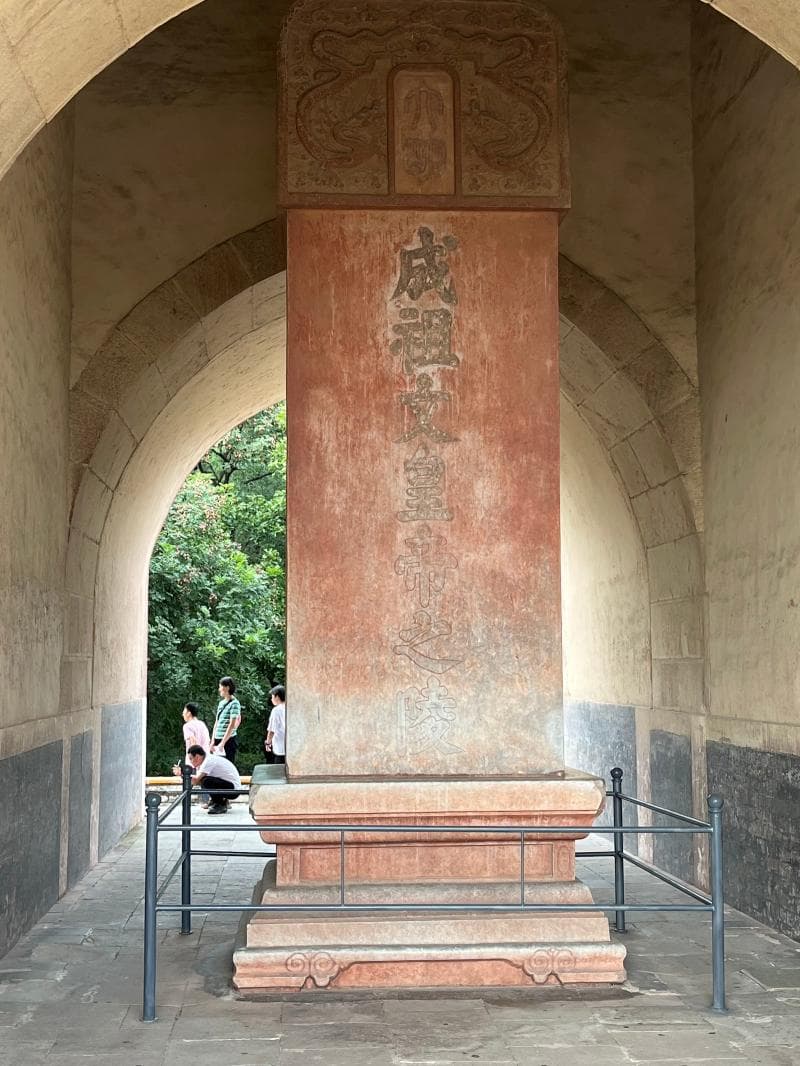
Explore the majestic Spirit Way Statues at the Ming Tombs in Beijing, China. Discover ancient guardians, rich history, and cultural significance.
Overview
The Spirit Way Statues, often referred to as the Sacred Way or Divine Road, serve as the majestic ceremonial entrance to the Ming Tombs in Beijing, China. This historical pathway is an integral part of the larger Ming Tombs complex, a UNESCO World Heritage site, which houses the mausoleums of thirteen emperors from the Ming Dynasty (1368-1644). Stretching approximately 7 to 7.5 kilometers (about 4 to 4.7 miles), the Sacred Way is distinguished by its impressive array of larger-than-life stone statues. Visitors embarking on this journey are greeted by a grand stone memorial archway, followed by the imposing Great Red Gate, built in 1540, which marks the official entrance to the entire necropolis. This unique architectural and sculptural ensemble offers a serene and profound introduction to the imperial burial grounds, setting the mood for a deeper understanding of China's rich imperial past.
History & Cultural Background
The Ming Tombs complex, located about 42 to 50 kilometers northwest of Beijing, was meticulously chosen by Emperor Yongle, the third Ming emperor, as his burial site in 1409. Subsequent Ming emperors continued this tradition, creating a sprawling imperial necropolis. The site's selection was deeply rooted in the ancient Chinese practice of Feng Shui, ensuring harmony with nature and deflecting negative energies from the north. The Sacred Way itself is steeped in symbolic meaning, representing the path the emperor's soul would take on its journey to heaven. In ancient times, only the emperor and his closest retinue were permitted to traverse this sacred road, underscoring its profound significance and exclusivity. The construction and layout reflect the Ming Dynasty's grandeur and its intricate beliefs concerning the afterlife and imperial authority.
What Makes It Special
The Spirit Way Statues are celebrated for being one of the best-preserved and most complete imperial spirit ways in China. The pathway is adorned with 18 pairs of stone figures, each carved from a single, massive block of stone. These include guardian animals and human figures such as military officers, civil officials, and meritorious officials. The animal statues typically appear in alternating pairs – one standing, one kneeling – symbolizing eternal vigilance and respect. Among the diverse array of animals, you'll find lions representing solemnity, camels and elephants signifying the vastness of the empire's reach, xiezhi (a mythical unicorn) for deterring evil spirits, and qilin as auspicious symbols. The human figures, often depicted with sabers and traditional attire, represent the loyal retinue accompanying the emperor into the afterlife. Further along the path, stone pillars known as Huabiao, carved with cloud designs, once served as beacons, guiding the deceased emperor's soul. This meticulous arrangement transforms a simple road into a powerful narrative of imperial power, spiritual belief, and artistic craftsmanship.
Stories, Fun Facts & Local Details
Beyond their historical grandeur, the Spirit Way Statues are woven into local folklore and intriguing beliefs. It's said that these stone guardians symbolically change shifts at midnight, diligently overseeing the imperial resting grounds. This sense of perpetual duty adds a mystical aura to the statues, inviting visitors to imagine the ancient ceremonies and processions that once graced this path. Another charming anecdote suggests that touching the foot of a camel statue along the Sacred Way might bring a cure for athlete's foot – a whimsical belief that reflects the human desire to connect with these ancient objects in a more personal, even humorous, way. The entire Ming Tombs area, including the Sacred Way, is a testament to a 'carefully planned ceremonial geography,' where every element, from the layout of the roads to the placement of the statues, was designed to honor the dead and maintain cosmic harmony.
Visitor Perspective
A journey along the Spirit Way Statues is often described as a peaceful and contemplative experience, a stark contrast to the bustling energy of modern Beijing. It offers a unique opportunity to immerse oneself in imperial China's solemn traditions and architectural splendor. Many travelers find that beginning their visit to the Ming Tombs with the Sacred Way provides an essential historical and emotional context for the entire complex. The sheer scale of the statues and the length of the path evoke a sense of the immense power and foresight of the Ming emperors. Comfortable walking shoes are highly recommended to fully appreciate the extensive pathway and its many intricate details. The tranquil ambiance, coupled with the profound historical narrative embedded in each stone figure, makes the Spirit Way Statues a deeply moving and memorable highlight of the Ming Tombs, offering a tangible connection to a bygone era.
Coordinates: 116.2175, 40.25333
View on Google Maps💬 How Travelers Describe This Place
Based on community votes
Photogenic
953Unique
695Beautiful
396Must See
286Interesting
22
Traveler Stories
Discover memorable experiences shared by travelers who have visited this place.
No traveler stories yet.
Be the first traveler to share what made this place memorable.

Tour
By
Spot
Discover amazing places around the world. Your journey starts here.
Explore
© 2026 TourBySpot. All rights reserved.