Zhaoling Tomb
Beijing, China
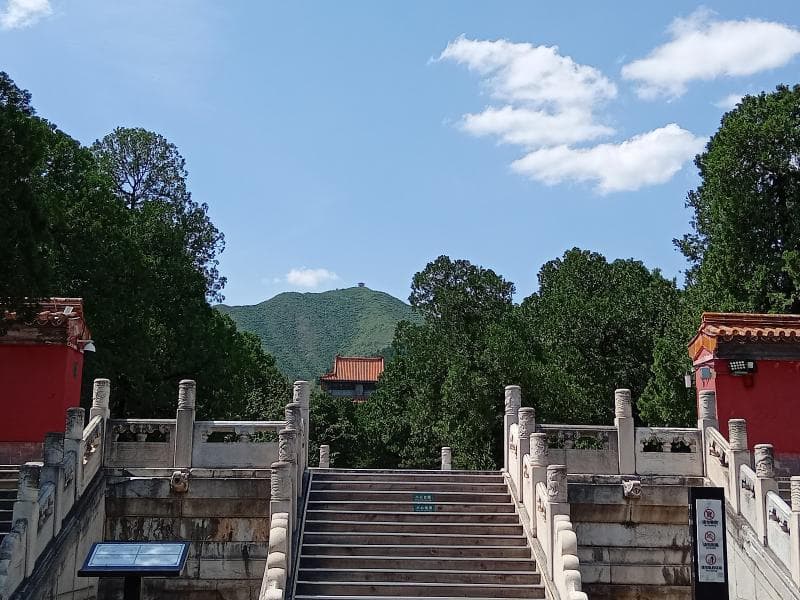
Explore Zhaoling Tomb, the Ming Dynasty mausoleum of Emperor Zhu Zaihou and his empresses, located within the Ming Tombs in Beijing, China.
Overview
Nestled within the sprawling Ming Tombs complex in Changping District, Beijing, lies Zhaoling Tomb, the revered final resting place of Emperor Zhu Zaihou, also known as the Longqing Emperor, the twelfth ruler of the Ming Dynasty, and his three empresses. Zhaoling is not only a significant historical site but also one of the few Ming Tombs open to the public, offering a unique glimpse into imperial funeral architecture and the cultural traditions of ancient China.
As you approach, you'll find Zhaoling a medium-sized tomb, distinct in its layout which symbolically combines a square front yard representing the earth with a circular back yard representing heaven. It stands out for being the first among the Thirteen Ming Tombs to undergo extensive restoration, ensuring its magnificent structures and intricate details are preserved for curious travelers.
History & Cultural Background
The Ming Tombs, a UNESCO World Heritage site, serve as the grand necropolis for thirteen emperors of the Ming Dynasty. The tradition of imperial burials in this valley, situated at the foot of Tianshou Mountain, began in 1409, chosen for its auspicious Feng Shui, believed to ward off evil spirits and harsh northern winds. Emperor Zhu Zaihou, the Longqing Emperor, reigned from 1566 until his death in 1572. His mausoleum, Zhaoling, was completed in 1573, becoming a permanent testament to his era.
While initially not intended for him – it was originally planned for the Jiajing Emperor's parents – fate saw the Longqing Emperor buried here, a decision made by his successor, the Wanli Emperor. The construction and design of Zhaoling adhered to the strict ritual and architectural systems of the Ming Dynasty, showcasing a blend of traditional beliefs and imperial grandeur.
What Makes It Special
Zhaoling Tomb holds several unique distinctions that set it apart within the Ming Tombs complex. It is the most thoroughly restored tomb open to visitors, allowing for a comprehensive understanding of its original design. The tomb's architecture presents a harmonious integration of natural landscape and human construction, a hallmark of Chinese imperial mausoleums.
One of its most notable features is the 'dumb courtyard' (Yaba Yuan). Unlike other traditional mausoleums where a distance is maintained between the wall and the burial mound, Zhaoling's mound was constructed directly against the enclosing wall, forming a unique, enclosed space. This design, contrary to popular legend about mute workers keeping secrets, reflects an innovative architectural characteristic that influenced later tomb constructions.
Another remarkable aspect is its ingenious drainage system. Hidden gutters are skillfully integrated into the walls, and wells are strategically placed on either side, ensuring that the courtyard and the circular burial mound remain dry, even during heavy rainfall. This speaks volumes about the advanced engineering and foresight of Ming Dynasty builders.
Stories, Fun Facts & Local Details
Upon entering the Blessing and Grace Gate, you'll encounter a captivating detail: a blank stele mounted on the back of a stone tortoise. Legend has it that Emperor Zhu Zaihou, having reigned for only five years without achieving particularly significant successes, had this stele left uninscribed to reflect his modest legacy. Today, this stele pavilion is not merely a historical relic but serves as a vibrant site for the annual 'Sacrifice to the Ancestors' ceremonies held each autumn, continuing ancient traditions.
A delightful local belief suggests that touching the back of this very stone tortoise can bring a visitor freedom from worry forever. Many visitors engage in this small, hopeful ritual, adding a touch of personal interaction to their historical journey. The tomb's design, particularly the 'dumb courtyard', often sparks curiosity, with its name stemming more from architectural peculiarity than from the dramatic tales of silent laborers that folklore sometimes suggests.
Visitor Perspective
Zhaoling Tomb offers a serene and contemplative experience, often less crowded than some other major attractions within the Ming Tombs complex. It provides an intimate look into the imperial burial customs and architectural prowess of the Ming Dynasty. Walking through its courtyards, admiring the intricate carvings, and pondering the stories embedded in its structures allows for a deep connection with China's rich past.
The site's well-preserved halls, including the Blessing and Grace Palace and various side halls, display historical findings related to Emperor Zhu Zaihou and his empresses, enriching the visitor's understanding of their lives and times. As one of only three Ming Tombs fully open to the public, Zhaoling is an essential stop for anyone seeking to understand the grandeur and subtle complexities of imperial China's funerary heritage in Beijing.
Coordinates: 116.211111, 40.290555
View on Google Maps💬 How Travelers Describe This Place
Based on community votes
Beautiful
836Unique
797Photogenic
396Interesting
286Must See
255
Traveler Stories
Discover memorable experiences shared by travelers who have visited this place.
No traveler stories yet.
Be the first traveler to share what made this place memorable.

Tour
By
Spot
Discover amazing places around the world. Your journey starts here.
Explore
© 2026 TourBySpot. All rights reserved.