Malá Strana
Prague, Czech Republic
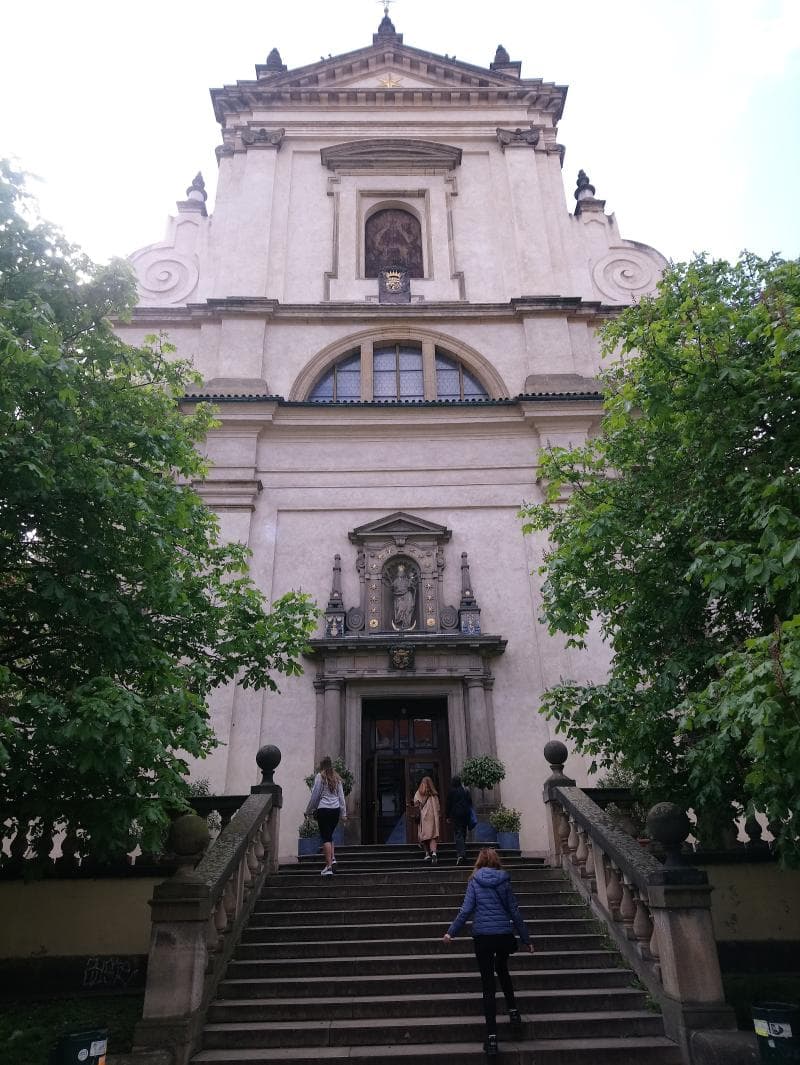
Explore Malá Strana, Prague's enchanting Lesser Town. Discover its Baroque architecture, rich history, charming streets, and unique cultural details in the Czech Republic.
Overview
Malá Strana, often referred to as the 'Lesser Town' or 'Little Quarter', is a historic and profoundly picturesque district nestled in the heart of Prague, Czech Republic. Situated on the left bank of the Vltava River, it lies directly beneath the majestic Prague Castle, its terracotta rooftops and Baroque facades climbing gently up the castle slopes. The district's name, 'Malá Strana', literally translates to 'Little Side', distinguishing it from the larger Old Town across the river, with which it is famously connected by the Charles Bridge. This charming area is a labyrinth of cobblestone streets, elegant palaces, and verdant gardens, offering a quieter, more intimate glimpse into Prague's rich past than its bustling counterparts.
A visit to Malá Strana is a journey through centuries of European history, where every corner reveals a story. It has long been a focal point for nobility, artists, and foreign dignitaries, a legacy reflected in its magnificent architecture and serene ambiance. The district offers an enchanting blend of cultural exploration and peaceful relaxation, inviting travelers to wander its alleys, discover hidden courtyards, and soak in its timeless atmosphere.
History & Cultural Background
The origins of Malá Strana trace back to an 8th-century market settlement. In 1257, King Přemysl Otakar II formally founded it as a royal town, initially named the 'New Town under the Prague Castle'. This royal decree brought significant privileges and attracted German and Italian craftsmen and merchants, fostering economic growth and skilled artistry.
However, Malá Strana's history was not without upheaval. It faced devastation during the Hussite Wars in 1419 and again in 1541 when a catastrophic fire consumed much of the medieval town, including parts of Prague Castle. The subsequent rebuilding efforts ushered in a grand Renaissance style, replacing many destroyed homes with opulent palaces. The 17th and 18th centuries saw Malá Strana undergo a significant Baroque transformation. Under the influence of Italian architects, monumental churches, noble residences, and elaborate facades reshaped the cityscape, giving the district its distinctive Baroque character that largely defines it today.
A notable historical detail is the construction of the 'Hunger Wall' between 1360-1362, ordered by Charles IV. This fortification was reportedly built to provide employment to the poor during a period of famine, a testament to the compassion intertwined with the city's development.
What Makes It Special
What sets Malá Strana apart is its unparalleled blend of architectural grandeur and intimate charm. It's often dubbed the 'Baroque Pearl of Prague' due to its dominant 17th and 18th-century Baroque structures. The district is home to iconic landmarks such as the imposing Church of St. Nicholas, an exquisite example of Baroque architecture with its monumental dome, which has even hosted performances by legendary composers like Mozart.
The Wallenstein Garden, an early Baroque garden, provides a stunning oasis of tranquility with its manicured hedges, statues, and the unique grotto-like 'salla terrena'. Kampa Island, often called 'Prague's Venice', is another gem, separated from the rest of Malá Strana by the Čertovka canal. Here, visitors can find peaceful parks, the Kampa Museum, and interesting outdoor art installations like the yellow penguins.
The very fabric of Malá Strana, with its winding, cobblestone streets, hidden passages, and the constant presence of Prague Castle looming above, creates an atmosphere unlike any other part of the city. It's a district where history feels alive, not just preserved.
Stories, Fun Facts & Local Details
- The Infant Jesus of Prague: Housed in the Church of Our Lady Victorious, this small wax statue is revered worldwide and considered one of Prague's most significant pilgrimage sites. Legend claims it has protected the city and brought about miracles.
- The Lennon Wall: A vibrant and ever-changing mural, the Lennon Wall became a symbol of peace and freedom for Czech youth during the communist era. Despite attempts by authorities to whitewash it, messages of hope and love always reappeared, drawing inspiration from John Lennon's ideals.
- Čertovka, the Devil's Stream: This artificial canal separating Kampa Island is rumored to be named after a notoriously cranky old lady who once lived nearby, adding a touch of local folklore to its picturesque waterways.
- House Signs: Before house numbering became common, buildings in Malá Strana, particularly on Nerudova Street, were identified by unique pictorial house signs, such as 'At the Red Eagle' or 'At the Three Fiddles', many of which can still be seen today.
- Filming Location: The timeless beauty and preserved architecture of Malá Strana make it a popular backdrop for movies and commercials, further cementing its cinematic charm.
Visitor Perspective
For the curious traveler, Malá Strana offers an experience that is both captivating and contemplative. Walking across the Charles Bridge from the Old Town immediately transports one into a different realm, quieter and steeped in a more aristocratic past. The district is perfect for 'aimless wandering,' allowing serendipitous discoveries of charming cafes, local pubs, and boutique shops housed in ancient burgher houses.
Views from various points, including Petřín Hill (accessible by funicular or on foot), offer breathtaking panoramas of the red-tiled roofs and the Vltava River, extending to the Old Town. Evenings in Malá Strana often bring a serene quiet, with lantern-lit side streets evoking a magical, old-world Prague. It's a place to linger, to absorb the atmosphere, and to connect deeply with the city's enduring spirit, making it an essential part of any Prague itinerary.
Coordinates: 14.40449, 50.08774
View on Google Maps💬 How Travelers Describe This Place
Based on community votes
Beautiful
476Unique
465Interesting
276Must See
128Photogenic
126
Traveler Stories
Discover memorable experiences shared by travelers who have visited this place.
No traveler stories yet.
Be the first traveler to share what made this place memorable.
Things to see at Malá Strana



Tour
By
Spot
Discover amazing places around the world. Your journey starts here.
Explore
© 2026 TourBySpot. All rights reserved.