Gardens
Prague, Czech Republic
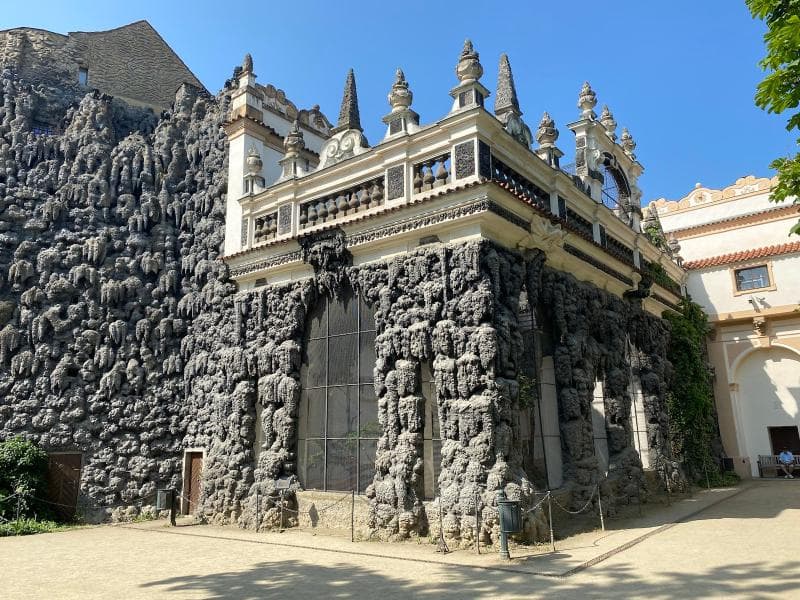
Discover the enchanting Baroque Gardens of Malá Strana in Prague, Czech Republic. Explore historical terraced landscapes, stunning views, and unique art.
Overview
Nestled beneath the majestic Prague Castle, the Gardens of Malá Strana in Prague, Czech Republic, offer an enchanting escape into a world of Baroque splendor. This collection of historical gardens, often referred to as the Palace Gardens, is a defining feature of Malá Strana, or Lesser Town, a district renowned for its architectural beauty and tranquil ambiance. Unlike the bustling energy of other parts of Prague, these meticulously designed green spaces provide a serene retreat, inviting visitors to wander through terraced landscapes, adorned with ornate sculptures, elegant fountains, and grand architectural elements. The gardens collectively showcase a remarkable blend of nature and artistry, reflecting centuries of aristocratic taste and horticultural mastery. Many of these gardens are interconnected, allowing for a seamless journey through different styles and perspectives, each offering breathtaking vistas of Prague's iconic red rooftops and historic skyline. From the grand Baroque designs to more intimate and secluded corners, the gardens are a testament to Prague's rich cultural heritage and a haven for those seeking beauty and calm.
History & Cultural Background
The origins of Malá Strana's gardens trace back centuries, with vineyards and utility gardens documented on the slopes beneath Prague Castle as early as the 15th century. However, the most significant transformation occurred following a devastating fire in 1541, which destroyed much of Malá Strana. This catastrophe paved the way for a grand Baroque reconstruction, shaping the district's distinctive character with new churches, palaces, and lavish gardens. During the 17th and 18th centuries, wealthy noble families and aristocrats, who flocked to Malá Strana to be close to the imperial court, commissioned the creation of these magnificent gardens as extensions of their palaces. Influenced by Italian terraced garden designs, these spaces were conceived not merely for recreation, but as statements of wealth, power, and artistic sophistication. The Wallenstein Garden, for instance, built between 1623 and 1629 for Albrecht of Wallenstein, one of the most powerful Czech noblemen of his time, was an ambitious project intended to rival the royal seat itself. Similarly, the Palace Gardens below Prague Castle, including the Ledebour, Pálffy, Kolowrat, and Fürstenberg Gardens, were developed adjacent to noble residences, showcasing the era's preference for formal, geometrically precise landscapes integrated with architectural elements.
What Makes It Special
What truly sets the Gardens of Malá Strana apart is their unparalleled combination of historical grandeur, intricate design, and panoramic views. Many of these gardens are terraced, climbing the steep slopes of Petřín Hill, a feature that provides visitors with continuously evolving perspectives of Prague Castle, St. Nicholas Church, and the Vltava River below. The architectural integration is seamless, with elegant staircases, decorative balustrades, and elaborate pavilions, such as the *sala terrena* found in gardens like Ledebour and Wallenstein, which served as open-air halls for entertainment and relaxation. The Wallenstein Garden is particularly notable for its impressive *grotto wall*, an artificial cave adorned with stalactite-like formations, and its collection of bronze statues depicting mythological figures, though many are replicas of the originals looted during the Thirty Years' War. Adding to the charm are the resident peacocks that roam freely in some gardens, especially Wallenstein and Vojanovy Sady, creating an almost fairytale-like atmosphere. These gardens are a masterclass in Baroque landscape architecture, offering a harmonious blend of natural beauty and human artistry that feels both curated and profoundly peaceful.
Stories, Fun Facts & Local Details
The gardens of Malá Strana are rich with stories and curious details. The statues in the Wallenstein Garden, for example, were originally sculpted by Adriaen de Vries, but the originals were plundered by the Swedish Army in 1648 during the Thirty Years' War and are now housed in Drottningholm Castle in Sweden; the ones you see today are faithful replicas. The Wallenstein Palace itself, to which the garden belongs, was so grand that its construction involved demolishing 26 houses, three gardens, and a brick factory in the neighborhood. The *sala terrena* within these gardens, with its mythological frescoes, provides a glimpse into the allegorical narratives cherished during the Baroque period. The Vrtba Garden, a smaller but equally stunning Baroque garden, features frescoes by Václav Vavřinec Reiner and sculptures by Matyáš Bernard Braun, who also contributed to the statues on Charles Bridge. Local lore often connects these gardens to the romantic and artistic spirit of Malá Strana, a district that has inspired writers like Jan Neruda. The presence of peacocks is not just for aesthetic appeal; these birds have become much-loved inhabitants, adding a touch of unexpected charm to the formal settings.
Visitor Perspective
For a curious traveler, exploring the Gardens of Malá Strana is an immersive journey into Prague's elegant past. These gardens offer a unique opportunity to step away from the bustling crowds of the city and find pockets of profound tranquility. Walking through the terraced levels, one experiences a quiet grandeur, with each turn revealing new architectural details, sculptural surprises, and captivating vistas. The sense of peace is palpable, allowing for moments of reflection amidst historical beauty. From the upper terraces of the Palace Gardens, the red-tiled roofs of Malá Strana spread out below, framed by the majestic dome of St. Nicholas Church and the winding Vltava River, making for unforgettable photographic opportunities. Many gardens, like Wallenstein Garden, are free to enter and open seasonally from April to October, providing a perfect spot for a leisurely stroll on a warm day. The Vrtba Garden, while sometimes requiring an entrance fee, is often cited as being well worth it for its beauty and views. These gardens are more than just green spaces; they are open-air museums of Baroque art and design, offering a serene and beautiful counterpoint to the more active sightseeing in Prague.
Coordinates: 14.4072, 50.0886
View on Google Maps💬 How Travelers Describe This Place
Based on community votes
Beautiful
898Unique
667Must See
308Photogenic
190Interesting
32
Traveler Stories
Discover memorable experiences shared by travelers who have visited this place.
No traveler stories yet.
Be the first traveler to share what made this place memorable.

Tour
By
Spot
Discover amazing places around the world. Your journey starts here.
Explore
© 2026 TourBySpot. All rights reserved.