Embassies
Prague, Czech Republic
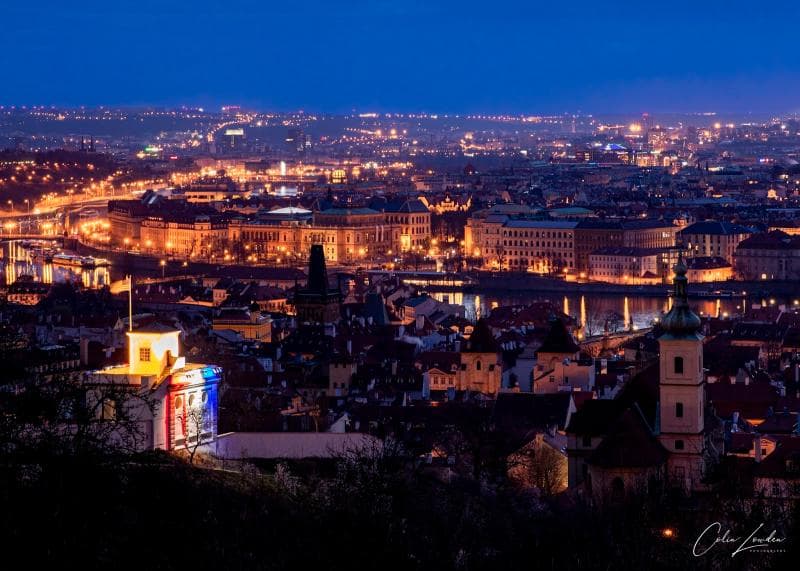
Explore Malá Strana's historic embassies in Prague, Czech Republic. Discover Baroque palaces housing diplomatic missions and their rich stories.
Overview
Nestled beneath the majestic Prague Castle, Malá Strana, also known as the Lesser Town or Lesser Quarter, is one of Prague's most picturesque and historically rich districts. On the left bank of the Vltava River, this enchanting area is a labyrinth of narrow, cobbled streets, ancient burgher houses, and magnificent Baroque palaces and churches. While popular for its charming atmosphere and architectural splendor, Malá Strana holds a unique distinction as Prague's primary embassy district. Many diplomatic missions have found their homes within these grand, historic buildings, adding a layer of international significance to its timeless beauty.
Walking through Malá Strana, you'll encounter a captivating blend of local life and diplomatic presence, where centuries-old architecture now houses the representatives of nations from around the world. It’s an area where every turn offers a glimpse into Prague's past, seamlessly interwoven with its role in contemporary global relations.
History & Cultural Background
The story of Malá Strana begins in 1257 when King Ottokar II of Bohemia founded it as a royal town, initially named 'New Town beneath Prague Castle'. This strategic location, at the foot of the castle, made it an important center, attracting German craftsmen and merchants. However, its history has not been without turmoil. The district suffered significant devastation during the Hussite Wars in the 15th century and was again ravaged by a great fire in 1541, which destroyed much of its original structures.
Following these calamities, Malá Strana underwent extensive rebuilding, first in the Renaissance style, and then, most notably, transforming into the 'Baroque Pearl of Prague' during the 17th and 18th centuries. Wealthy noble families and religious orders constructed lavish palaces and churches, shaping the distinctive Baroque elegance that defines the area today. It was this prevalence of grand aristocratic residences, often featuring extensive gardens and opulent interiors, that naturally attracted diplomatic missions seeking prestigious and fitting locations for their embassies in later centuries.
What Makes It Special
The embassies in Malá Strana are not merely functional offices; they are integral parts of the district's historical and architectural tapestry. Unlike modern embassy compounds typically isolated from urban life, these diplomatic missions are housed within breathtaking Baroque palaces, some dating back to the 17th and 18th centuries. This integration offers a unique experience, where the daily pulse of international relations beats within walls steeped in centuries of history.
For instance, the United States Embassy is located in the magnificent Schönborn Palace, an architectural gem featuring elaborate interiors and terraced gardens. The German Embassy resides in the impressive Lobkowicz Palace, another Baroque masterpiece. Meanwhile, the Embassy of Romania occupies the distinct Morzin Palace, renowned for its facade. The French Embassy can be found in the elegant Buquoy Palace. This remarkable concentration of diplomatic institutions within such historic and beautiful settings is a testament to Malá Strana's enduring prestige and architectural heritage, making it a living museum of diplomacy and art.
Stories, Fun Facts & Local Details
- Schönborn Palace (U.S. Embassy): This grand palace has a fascinating history, including a brief residence by the renowned writer Franz Kafka in 1917. In 1924, Richard Crane, the first U.S. Ambassador to Czechoslovakia, purchased the palace for $125,000 to serve as the embassy. The palace also features a beautiful terraced garden topped by a 'Glorietta,' where the American flag proudly flies.
- Lobkowicz Palace (German Embassy): In a poignant chapter of recent history, the Lobkowicz Palace became a symbol of hope in 1989. Thousands of East German refugees sought asylum here, camping in the embassy gardens as they sought passage to West Germany, a pivotal moment preceding the fall of the Berlin Wall. Abandoned Trabant cars lined the streets of Malá Strana, left behind by those seeking freedom. Today, a sculpture of a Trabant on four legs in the embassy garden commemorates this event.
- Morzin Palace (Romanian Embassy): Designed by the eminent Baroque architect Jan Blažej Santini-Aichel, this palace is instantly recognizable by its distinctive facade. It features two sculpted figures of chained Moors supporting a balcony, a playful visual pun on the Morzin family name.
- Buquoy Palace (French Embassy): This palace, originally built in 1667 and later acquired by the French state in 1930, holds its own intriguing anecdotes. Figures like Mozart and Maurice Ravel are said to have performed in its salons, adding a musical layer to its diplomatic history. Notably, French President François Mitterrand hosted a breakfast here with Czechoslovak dissidents, including Václav Havel, in 1988, a significant precursor to the Velvet Revolution.
- St. Nicholas Church: While not an embassy itself, the iconic St. Nicholas Church in Malá Strana holds a secret related to diplomacy during the Cold War. Its bell tower was reportedly used by the former Czechoslovak secret police (StB) to monitor activities within the Western embassies in the vicinity.
Visitor Perspective
For the curious traveler, the 'Embassies' of Malá Strana offer a unique opportunity to connect with both history and international relations. While the interiors of these diplomatic buildings are generally not accessible to the public due to security and operational requirements, their magnificent exteriors, visible from the charming streets, are a sight to behold.
Strolling through Malá Strana, you can admire the architectural grandeur of these palaces, imagining the historical events and diplomatic negotiations that have unfolded within their walls. The district retains a quieter, more reflective ambiance compared to the bustling Old Town, making it perfect for leisurely exploration. It's a chance to witness how a historic neighborhood continues to play a vital, active role on the world stage, shrouded in an atmosphere of timeless elegance and intrigue. The blend of Baroque beauty, storied pasts, and modern diplomatic life makes this sub-spot an engaging and thought-provoking experience for any visitor to Prague.
Coordinates: 14.4023, 50.0862
View on Google Maps💬 How Travelers Describe This Place
Based on community votes
Beautiful
853Interesting
639Photogenic
569Must See
190Unique
93
Traveler Stories
Discover memorable experiences shared by travelers who have visited this place.
No traveler stories yet.
Be the first traveler to share what made this place memorable.

Tour
By
Spot
Discover amazing places around the world. Your journey starts here.
Explore
© 2026 TourBySpot. All rights reserved.