Los Angeles County Museum Of Art
Los Angeles, United States
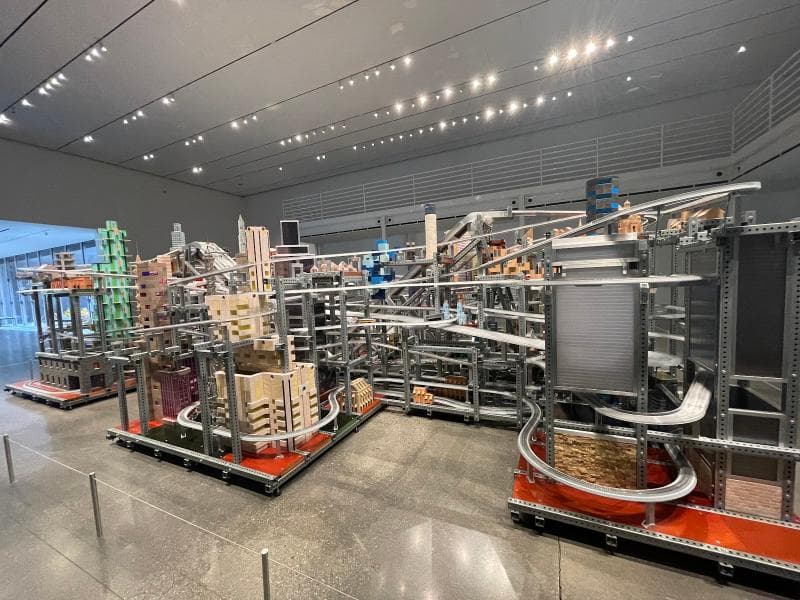
Explore the Los Angeles County Museum of Art (LACMA) in Los Angeles, United States, home to over 155,000 artworks spanning 6,000 years.
Overview
The Los Angeles County Museum of Art, widely known as LACMA, stands as the largest art museum in the western United States, a prominent cultural landmark nestled in the heart of Los Angeles. Its sprawling campus, located on Museum Row alongside other significant institutions, is a dynamic space dedicated to exploring 6,000 years of artistic expression from across the globe. With a collection exceeding 155,000 objects, LACMA is committed to showcasing a multitude of art histories, interpreting works from diverse and often unexpected viewpoints that reflect Los Angeles's rich cultural heritage and population.
More than just a repository of art, LACMA inspires creativity and dialogue, offering visitors an engaging journey through various cultures and historical periods. It actively serves the public by collecting, conserving, exhibiting, and interpreting significant artworks, transforming these collections into meaningful educational, aesthetic, and intellectual experiences for a wide array of audiences.
History & Cultural Background
LACMA's roots trace back to 1910, when it was established as part of the Los Angeles Museum of History, Science, and Art in Exposition Park. This initial institution showcased art alongside historical and scientific exhibits. However, by 1961, a dedicated movement to separate the art collection led to the establishment of the Los Angeles County Museum of Art as an independent, art-focused entity.
In 1965, LACMA moved to its current iconic location on Wilshire Boulevard, opening to the public with three new buildings designed by William Pereira Associates. The museum's collections and campus continued to expand significantly over the decades, with new additions like the Pavilion for Japanese Art in 1988 and the Broad Contemporary Art Museum (BCAM) in 2008. The early 2020s marked another transformative period, with some original structures making way for the ambitious new David Geffen Galleries, designed by Pritzker Prize-winning architect Peter Zumthor, which opened to the public in May 2026.
What Makes It Special
What truly sets LACMA apart is its monumental scale and its commitment to an encyclopedic collection that defies geographical and chronological boundaries. It is home to world-renowned pieces spanning ancient times to the present, ensuring that every visit offers new discoveries. The museum boasts strong holdings in Asian art, particularly Korean and Japanese works, as well as significant collections of Latin American art, European paintings, and Islamic art.
Beyond its indoor galleries, LACMA is celebrated for its iconic outdoor installations that have become symbols of Los Angeles itself. Chris Burden's 'Urban Light', a grand arrangement of 202 restored antique streetlamps, warmly greets visitors and offers a captivating visual experience, especially at dusk. Another striking outdoor artwork is Michael Heizer's 'Levitated Mass', a 340-ton granite boulder seemingly suspended above a concrete trench, inviting contemplation on scale and perception. The recently opened David Geffen Galleries embody a revolutionary architectural approach, designed to place art from all cultures and eras on an equal plane, fostering diverse connections and interpretations without traditional hierarchies.
Stories, Fun Facts & Local Details
'Urban Light' has transcended its role as an artwork to become a beloved backdrop for countless photographs and a quintessential Los Angeles landmark, attracting visitors at all hours. The museum's commitment to community engagement extends to lively outdoor programming, including the popular 'Jazz at LACMA' on Fridays and 'Latin Sounds' on Saturdays during warmer months, transforming the campus into a vibrant cultural gathering space. It is fascinating to note that LACMA's largest single collection is in Costume & Textiles, showcasing the rich history of fashion and design.
The museum's campus, approximately twenty acres in size, is continually evolving. This constant transformation reflects the dynamic spirit of Los Angeles itself, a city that embraces diverse expressions and emergent technologies. The development of the new David Geffen Galleries, a project that took decades from conception to completion, highlights LACMA's enduring ambition to redefine the museum experience for contemporary audiences.
Visitor Perspective
Located conveniently on Wilshire Boulevard, LACMA is easily accessible and a key component of Los Angeles's Museum Row, adjacent to the fascinating La Brea Tar Pits. For those traveling by public transport, several Metro Local and Rapid bus lines stop within half a block, and the new Wilshire/Fairfax Metro D Line station provides direct access. Driving visitors can utilize the Pritzker Parking Garage on 6th Street, with options for prepaid parking.
Advance timed-entry tickets are highly recommended to ensure smooth entry, though walk-up tickets may be available. LACMA offers various amenities to enhance the visitor experience, including multiple dining options, from casual cafes to more upscale restaurants like Ray's & Stark Bar, and well-stocked museum stores featuring exhibition catalogues and unique gifts. The museum also offers docent-led tours and various educational programs, allowing for deeper engagement with its vast collections. Whether you seek quiet contemplation of masterpieces or vibrant community events, LACMA offers an enriching experience for every curious traveler.
Coordinates: -118.3592, 34.0633
View on Google Maps💬 How Travelers Describe This Place
Based on community votes
Interesting
921Must See
617Beautiful
357Photogenic
232Unique
147
Traveler Stories
Discover memorable experiences shared by travelers who have visited this place.
No traveler stories yet.
Be the first traveler to share what made this place memorable.
Things to see at Los Angeles County Museum Of Art



Tour
By
Spot
Discover amazing places around the world. Your journey starts here.
Explore
© 2026 TourBySpot. All rights reserved.