Japanese Pavilion
Los Angeles, United States
Explore the unique Japanese Pavilion at LACMA in Los Angeles, United States, housing an extensive collection of Japanese art in a stunning architectural masterpiece.
Overview
Nestled within the expansive grounds of the Los Angeles County Museum of Art (LACMA) in Los Angeles, United States, the Japanese Pavilion stands as a testament to both distinctive architectural vision and profound cultural heritage. This unique structure is dedicated to housing LACMA's extensive collection of Japanese art, spanning an incredible timeline from approximately 3000 BC through the 20th century.
The Pavilion for Japanese Art is immediately recognizable by its striking design, a creation of the renowned American architect Bruce Goff, completed posthumously by his associate Bart Prince in 1988. Its form has sparked varied comparisons, from the graceful curves of a Shinto temple or an ancient samurai helmet to the futuristic aesthetic of Disney's Tomorrowland. A defining characteristic of the building is its use of large translucent fiberglass panels, which ingeniously mimic traditional Japanese rice paper 'shoji' screens, allowing soft, natural light to illuminate the precious artworks within.
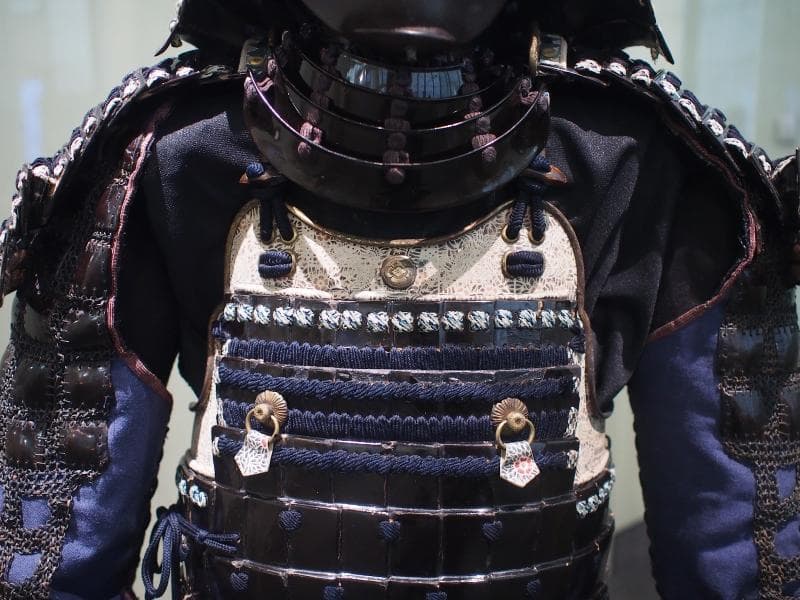
Inside, visitors encounter a diverse array of Japanese artistic expressions, including archaeological artifacts, elegant Buddhist and Shinto sculptures, intricate ceramics, lustrous lacquerware, delicate textiles, formidable armor, and vibrant cloisonné. The Pavilion also features dedicated galleries for Japanese prints, screens, hanging scrolls, and an exceptional collection of 'netsuke' miniature sculptures.
History & Cultural Background
The genesis of the Japanese Pavilion is deeply rooted in the passion of art collector Joe D. Price and his wife, Etsuko Yoshimochi. Price's Shin'enkan Collection, boasting over 300 Japanese scroll and screen paintings, formed the core of LACMA's Japanese holdings. In 1983, the Prices generously bequeathed a significant portion of their collection and provided a crucial $5 million in seed money towards the construction of a dedicated space to house it.
The architectural journey of the Pavilion began years before its realization at LACMA. Bruce Goff's initial design was conceived for Price's estate in Oklahoma and was later considered as a wing for the Metropolitan Museum of Art in New York. However, it eventually found its home at LACMA. Goff, an idiosyncratic visionary influenced by Frank Lloyd Wright, passed away in 1982 before seeing his masterpiece completed. His former associate, Bart Prince, meticulously translated Goff's imaginative plans into working drawings and expertly oversaw the construction, culminating in the Pavilion's opening in 1988.
The construction process itself was not without its challenges, navigating issues such as a lack of bedrock, the need to vent methane gas from the adjacent La Brea Tar Pits, and stringent California building and seismic codes. Throughout the design and construction, Joe Price's guiding principle resonated: 'The art is the client,' emphasizing that every aspect of the building should serve to enhance the viewing experience of the art.
What Makes It Special
The Japanese Pavilion distinguishes itself not only as an exhibition space but as an artwork in its own right. Its unique, organic architecture stands in stark contrast to many traditional museum buildings, reflecting Goff's unconventional and expressive style.
The architectural ingenuity is most evident in its lighting system. The translucent Kalwall fiberglass panels filter sunlight, allowing artworks to be safely and naturally illuminated. This soft, balanced light approximates the original viewing conditions for many of the pieces, particularly highlighting the dimensional qualities of gold leaf in paintings that might be lost under artificial light.
Inside, the design creates a contemplative and engaging experience. Spiraling ramps and 'petal-like' viewing platforms invite visitors to explore, offering diverse perspectives of the art. Alcove-like settings, reminiscent of 'tokonoma' viewing areas in Japanese homes, are specifically designed for the intimate presentation of screens and scrolls. The Pavilion's enduring significance is further underscored by its deliberate preservation in the master plans of three Pritzker Prize-winning architects—Rem Koolhaas, Renzo Piano, and Peter Zumthor—for LACMA's renovated campus.
Stories, Fun Facts & Local Details
- Architectural Interpretations: The Pavilion's distinctive roofline has inspired various comparisons, from a traditional Shinto temple to an ancient samurai helmet, and even a futuristic structure that wouldn't look out of place in a theme park.
- Local Connections: The 'tusk-like' beams on the roof are thought to reference the prehistoric fossils found in the nearby La Brea Tar Pits, connecting the museum's design to its unique Los Angeles location.
- 'Lost' Quarry: The rough-cut quartzite encrusting the Pavilion's towers is rumored to have come from a 'lost' mine in Utah, adding a touch of mystery to its materials.
- The Shoji Illusion: The translucent fiberglass panels are so effective at mimicking traditional Japanese 'shoji' screens that Japanese visitors have sometimes inquired how often the 'paper' needs to be replaced.
- A Sacred Light: During a tour, a Catholic cardinal was reportedly so struck by the quality of light within the Pavilion that he exclaimed, 'That's it! This is the quality of light I've been looking for! It's perfect for a chapel.'
Visitor Perspective
A visit to the Japanese Pavilion is an immersive journey into Japanese art and culture, wrapped within a remarkable architectural shell. The building itself is an integral part of the experience, offering a serene and often surprising environment for engaging with the artworks. The natural light that bathes the galleries transforms throughout the day, creating a dynamic interplay of light and shadow that subtly alters the perception of the art.
The thoughtful layout, with its gentle ramps and varied viewing points, encourages a contemplative pace, allowing visitors to appreciate the intricate details of a 'netsuke' sculpture, the expansive narrative of a screen, or the delicate brushwork of a hanging scroll. It's a place where the art, the architecture, and the natural light converge to create a truly unique and enriching cultural experience in the heart of Los Angeles.
Coordinates: -118.359288, 34.063993
View on Google Maps💬 How Travelers Describe This Place
Based on community votes
Photogenic
934Beautiful
705Interesting
449Must See
396Unique
256
Traveler Stories
Discover memorable experiences shared by travelers who have visited this place.
No traveler stories yet.
Be the first traveler to share what made this place memorable.

Tour
By
Spot
Discover amazing places around the world. Your journey starts here.
Explore
© 2026 TourBySpot. All rights reserved.