Resnick Pavilion
Los Angeles, United States
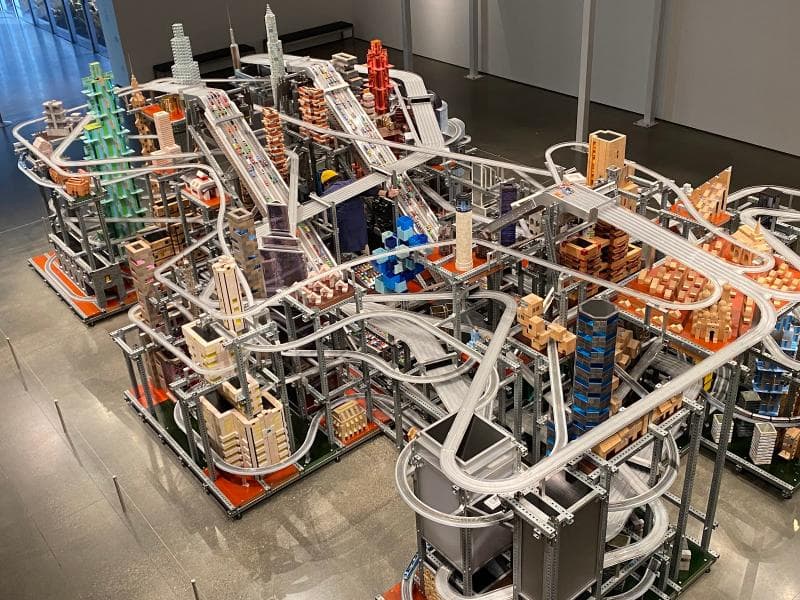
Explore the Resnick Pavilion at LACMA, Los Angeles, United States. Discover Renzo Piano's naturally lit, open-plan space for diverse art exhibitions.
Overview
Nestled within the expansive campus of the Los Angeles County Museum of Art (LACMA) in Los Angeles, United States, the Resnick Pavilion stands as a testament to modern architectural vision and artistic flexibility. Designed by the renowned Pritzker Prize-winning architect Renzo Piano, this distinctive single-story structure opened its doors to the public in October 2010. It functions primarily as a dedicated space for large-scale, temporary exhibitions, offering a versatile environment unlike any other. Recognized as one of the world's largest purpose-built, naturally lit, open-plan museum spaces, the Resnick Pavilion quickly became a cornerstone of LACMA's presentation of diverse artistic endeavors.
History & Cultural Background
The Resnick Pavilion owes its name and existence to the profound generosity of Lynda and Stewart Resnick, prominent philanthropists who contributed a remarkable $45 million towards its creation, in addition to a substantial donation of art valued at $10 million. Their commitment to the arts played a pivotal role in bringing this ambitious project to fruition. The pavilion is a key component of LACMA's extensive 'Transformation' initiative, a multi-phase endeavor aimed at unifying the museum's previously fragmented twenty-acre campus into a cohesive and accessible cultural destination. It was conceived as the second major structure designed by Renzo Piano for LACMA, following the Broad Contemporary Art Museum (BCAM), which opened in 2008. The architectural dialogue between these two buildings, both clad in distinctive travertine and featuring similar roof designs, helps to visually integrate the western half of the museum's grounds.
What Makes It Special
The architectural brilliance of the Resnick Pavilion lies in its innovative design, which prioritizes natural light and spatial adaptability. Renzo Piano's vision resulted in a structure featuring a glazed saw-tooth roof and expansive glass facades on its north and south sides. These elements work in harmony to flood the 45,000 square-foot interior with abundant natural light, creating an uplifting and engaging environment for viewing art. The pavilion's open-plan layout, devoid of fixed interior walls, offers unparalleled flexibility, allowing curators to configure the space in myriad ways to suit the unique demands of each exhibition, from intimate displays to grand, immersive installations. Echoing the aesthetic of its sister building, BCAM, the Resnick Pavilion also incorporates travertine stone cladding and striking 'Renzo Red' accents. These red elements, often highlighting air-handling units and technical rooms on the exterior, are a signature motif of Piano's work, providing an industrial-chic contrast to the refined travertine. Furthermore, its strategic placement above an underground parking garage not only optimizes space but also allows for seamless integration into the surrounding park and connections to other museum buildings, enhancing visitor flow throughout the campus.
Stories, Fun Facts & Local Details
The opening of the Resnick Pavilion in October 2010 was a significant cultural event for Los Angeles, marked by a free community weekend that invited the public to explore the new space. Its inaugural exhibitions showcased the breadth and flexibility of the pavilion, featuring a diverse trio: 'Eye for the Sensual: Selections from the Resnick Collection,' 'Olmec: Colossal Masterworks of Ancient Mexico,' and 'Fashioning Fashion: European Dress in Detail, 1700-1915.' This eclectic mix immediately demonstrated the pavilion's capacity to host everything from ancient artifacts to contemporary design and philanthropic collections. Outside the pavilion, visitors can experience Chris Burden's iconic 'Urban Light' installation, a captivating forest of vintage street lamps that has become a beloved landmark and a popular backdrop for photographs. The pavilion is also surrounded by Robert Irwin's Palm Garden installation, further enhancing the artistic landscape. This integration of indoor and outdoor art enriches the overall museum experience, inviting contemplation and interaction before even stepping inside.
Visitor Perspective
For any curious traveler or art enthusiast, a visit to the Resnick Pavilion promises an inspiring experience. Stepping into its vast, naturally lit interior, one immediately senses the architectural intent: to create an unencumbered space where art takes center stage. The sheer volume and openness of the pavilion allow for a sense of freedom as you wander through exhibitions, often encountering large-scale works that might not fit in more conventional gallery settings. The gentle, even illumination provided by the glazed roof highlights the nuances of each artwork, offering a unique viewing experience. Whether you are delving into ancient civilizations, exploring fashion history, or engaging with cutting-edge contemporary art, the pavilion's adaptable environment ensures that each visit is fresh and engaging. It's a place where the building itself contributes to the artistic narrative, inviting you to appreciate both the exhibits and the elegant container that holds them.
Coordinates: -118.3592, 34.0633
View on Google Maps💬 How Travelers Describe This Place
Based on community votes
Photogenic
981Must See
958Unique
565Beautiful
157Interesting
28
Traveler Stories
Discover memorable experiences shared by travelers who have visited this place.
No traveler stories yet.
Be the first traveler to share what made this place memorable.

Tour
By
Spot
Discover amazing places around the world. Your journey starts here.
Explore
© 2026 TourBySpot. All rights reserved.