Lama Temple
Beijing, China
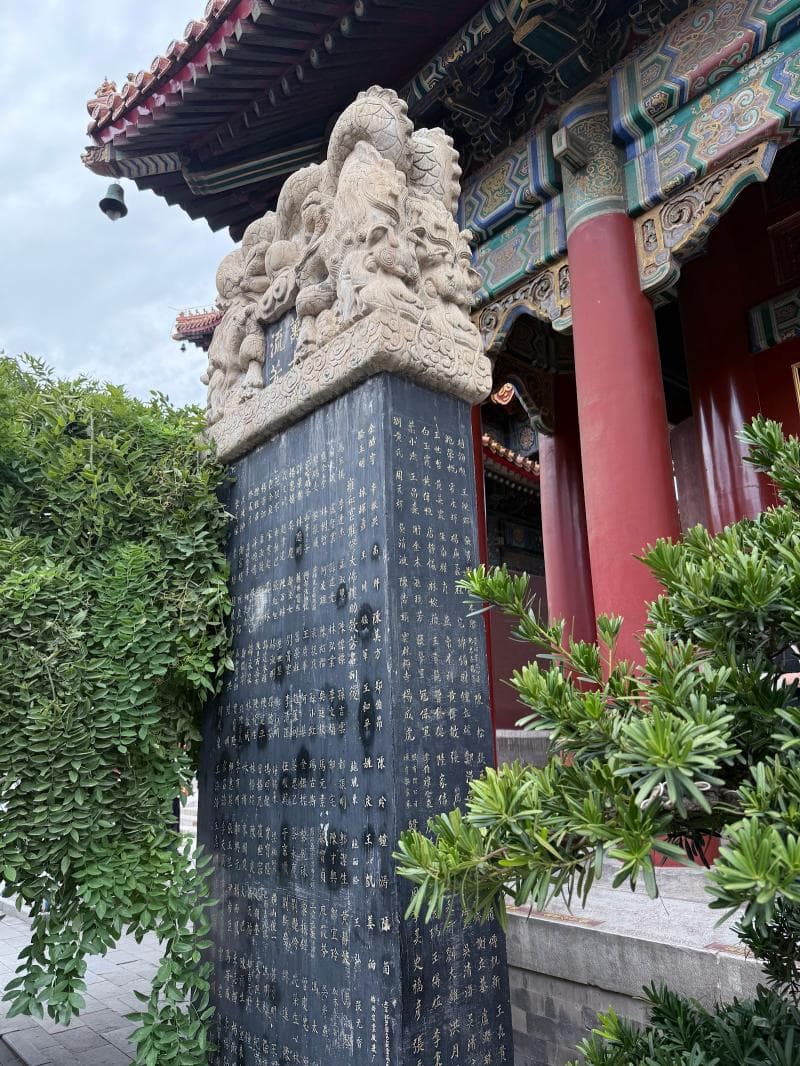
Discover Beijing's Lama Temple, a stunning blend of Han Chinese and Tibetan Buddhist culture. Explore its imperial history, unique architecture, and the record-holding Maitreya Buddha statue in China.
Overview
The Lama Temple, officially known as Yonghe Temple or Yonghegong, stands as a profound spiritual and historical landmark in Beijing, China. Nestled in the Dongcheng District, this expansive complex is recognized as the largest and most exceptionally preserved Tibetan Buddhist monastery outside of Tibet itself. It is a vibrant tapestry woven from Han Chinese, Tibetan, Manchu, and Mongolian architectural styles, offering a unique cultural experience that transcends typical sightseeing.
Originally built as a royal residence, its transformation into a revered place of worship for the Gelug school of Tibetan Buddhism has imbued it with centuries of spiritual significance. Today, it remains an active lamasery, where the scent of incense mingles with the quiet devotion of monks and pilgrims, providing a tranquil escape from the bustling city.
History & Cultural Background
The story of the Lama Temple begins in 1694, during the Qing dynasty, when it was constructed as the residence for Prince Yong (Yinzhen), the fourth son of the Kangxi Emperor. This imperial connection runs deep, as Prince Yong later ascended to become the Yongzheng Emperor, and his own son, the future Qianlong Emperor, was born and raised within these very walls. Consequently, the temple earned the moniker 'blessed land for dragons,' due to its association with two emperors.
A pivotal moment in its history occurred in 1744 when the Qianlong Emperor, in a strategic move to foster stronger ties between the Qing court and Tibet, converted the palace into a lamasery. This act cemented its role as a crucial center for Tibetan Buddhism and the national hub for Lama administration, drawing numerous Tibetan Buddhist monks from Mongolia and Tibet. Remarkably, the Lama Temple is also one of the few significant temples in Beijing that largely survived the tumultuous Cultural Revolution intact, preserving its invaluable heritage.
What Makes It Special
What truly sets the Lama Temple apart is its breathtaking fusion of architectural traditions. The grand red walls and golden-yellow glazed roof tiles, reminiscent of the Forbidden City, underscore its imperial origins and high status. The complex unfolds along a meticulously planned north-south central axis, featuring five majestic halls, each housing a treasury of Buddhist art and relics.
Among its most celebrated treasures is the awe-inspiring 26-meter-tall Maitreya Buddha statue, carved from a single piece of white sandalwood. Housed within the Pavilion of Ten Thousand Happinesses (Wanfuge), this monumental sculpture holds a Guinness World Record as the largest Buddha statue carved from a single tree. Other notable features include the bronze statue of Tsong Khapa, the founder of the Gelug school, found in the Hall of the Wheel of the Law, and the intricate Five Hundred Arhats Mountain wood carving.
Stories, Fun Facts & Local Details
Beyond its grand architecture and sacred art, the Lama Temple is rich with fascinating stories and cultural nuances. The towering Maitreya Buddha statue in the Wanfuge was reportedly a gift from the Dalai Lama to Emperor Qianlong, highlighting the deep historical connections between the imperial court and Tibetan Buddhism. Visitors also encounter a special 'lucky stone' in front of the former Yinan Hall; it's said that stepping on it three times can bring 'rising step by step' fortune, a charming local belief stemming from Emperor Yongzheng's supposed daily ritual there before his ascension.
For those seeking a deeper spiritual connection, the temple hosts religious ceremonies on the first and fifteenth day of every lunar month. Arriving early on these days might offer the rare opportunity to witness lamas praying and chanting, providing a profound insight into their daily devotions. The vibrant thangkas and other artworks within the halls often depict scenes from Buddhist cosmology, adding layers of symbolic meaning to the visual splendor.
Visitor Perspective
Visiting the Lama Temple offers a contemplative journey through history and spirituality. To make the most of your experience, dress modestly, covering shoulders and knees, as a sign of respect for this active religious site. Photography is generally prohibited inside the main halls, especially of the Buddha statues, so observe the signage. Upon entering, you'll be provided with free incense sticks; use these instead of purchasing from vendors outside, and follow the guidelines for offerings. If you encounter prayer wheels, remember to spin them clockwise.
The temple is conveniently accessible via the Beijing subway (Yonghegong Lama Temple Station, Line 2 or Line 5). Allow anywhere from 1.5 to 3 hours to explore the complex at a leisurely pace, truly absorbing its serene atmosphere and rich details. For a more peaceful visit, consider going on a weekday or early in the morning to avoid the larger crowds that can gather on weekends and during major festivals.
Coordinates: 116.409528, 39.947086
View on Google Maps💬 How Travelers Describe This Place
Based on community votes
Interesting
996Must See
658Unique
585Photogenic
143Beautiful
69
Traveler Stories
Discover memorable experiences shared by travelers who have visited this place.
No traveler stories yet.
Be the first traveler to share what made this place memorable.
Things to see at Lama Temple



Tour
By
Spot
Discover amazing places around the world. Your journey starts here.
Explore
© 2026 TourBySpot. All rights reserved.