Pavilion Of Ten Thousand Happinesses
Beijing, China
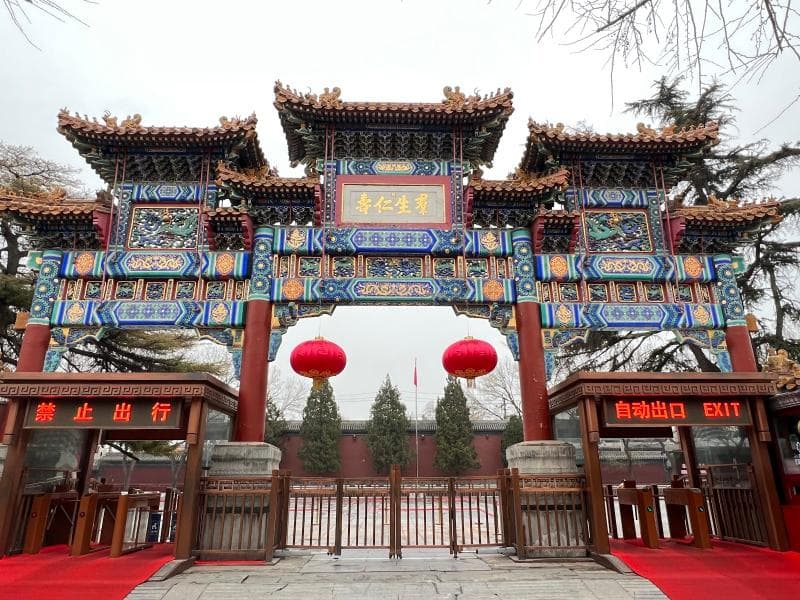
Discover the Pavilion of Ten Thousand Happinesses in Beijing's Lama Temple, home to the world's largest single-sandalwood Maitreya Buddha statue. Explore its rich history & cultural significance.
Overview
Nestled within the vibrant Lama Temple (Yonghegong) in Beijing, China, stands the awe-inspiring Pavilion of Ten Thousand Happinesses, known locally as Wanfuge. This magnificent hall serves as the culmination of the temple's architectural axis, drawing visitors and devotees alike into a space of profound spiritual significance. As the final and arguably most iconic structure within the sprawling temple complex, it houses one of the world's most extraordinary Buddhist statues. The Pavilion of Ten Thousand Happinesses is not merely a building; it is a testament to imperial devotion, artistic mastery, and the enduring fusion of Han Chinese and Tibetan Buddhist cultures.
History & Cultural Background
The story of the Lama Temple, and by extension the Pavilion of Ten Thousand Happinesses, begins in 1694 when it was constructed as a princely residence for Prince Yong (Yinzhen), the fourth son of the Kangxi Emperor. Upon his ascension to the throne as the Yongzheng Emperor, he moved to the Forbidden City, and a portion of his former abode was transformed into a lamasery. It was the Qianlong Emperor, Yongzheng's successor, who formalized its role as a Tibetan Buddhist monastery in 1744, offering it to Tibetan monks and establishing it as a national center for Lama administration. This transformation was significant, as the temple's yellow roof tiles, typically reserved for imperial buildings, reflected its elevated status and imperial patronage. The Pavilion of Ten Thousand Happinesses itself was completed around 1750.
What Makes It Special
The undeniable centerpiece of the Pavilion of Ten Thousand Happinesses is its colossal statue of the Maitreya Buddha, the Buddha of the Future. This towering figure, standing an impressive 18 meters (59 ft) above ground, is meticulously carved from a single, colossal piece of white sandalwood. Remarkably, an additional 8 meters (26 ft) of the statue are embedded underground, bringing its total height to a staggering 26 meters (85 ft). This monumental artwork earned a place in the Guinness Book of World Records in 1993 as the largest wooden Buddha carving from a single tree trunk, a truly astonishing feat of craftsmanship. The pavilion's architecture also showcases a harmonious blend of Han Chinese and Tibetan styles, making it a unique cultural artifact.
Stories, Fun Facts & Local Details
The Maitreya Buddha statue in the Pavilion of Ten Thousand Happinesses has a captivating origin story. It was presented as a gift to the Qianlong Emperor by the seventh Dalai Lama. Transporting such an immense piece of sandalwood from Tibet to Beijing was an epic undertaking, reportedly taking three arduous years. Another three years were then dedicated to the intricate carving and erection of the Buddha within the newly built pavilion. The pavilion's evocative name, 'Ten Thousand Happinesses' (Wanfuge), comes from the myriad of small Buddha figures—ten thousand, to be precise—that are arranged behind the main Maitreya statue across three storeys, creating a breathtaking visual spectacle. For many visitors, a trip to this pavilion is a spiritual journey. Devotees often come here specifically to pray for joy, harmony, love, a prosperous future, and overall peace and safety in their lives.
Visitor Perspective
Stepping into the Pavilion of Ten Thousand Happinesses is an experience that elicits a sense of profound awe and tranquility. The sheer scale and intricate detail of the Maitreya Buddha command immediate attention, inviting quiet contemplation. Visitors often find themselves craning their necks, absorbing the serene presence of the statue and the spiritual atmosphere that permeates the hall. As an active place of worship, the air is frequently filled with the gentle scent of incense, and it's common to witness monks engaged in their daily rituals or other visitors offering prayers. The pavilion serves as a powerful reminder of the deep historical and cultural connections between China and Tibet, and the enduring legacy of Tibetan Buddhism in Beijing. It's a destination that transcends mere sightseeing, offering a unique opportunity to connect with a rich spiritual tradition in a remarkably preserved setting.
Coordinates: 116.411, 39.94562
View on Google Maps💬 How Travelers Describe This Place
Based on community votes
Photogenic
996Must See
953Beautiful
658Interesting
585Unique
69
Traveler Stories
Discover memorable experiences shared by travelers who have visited this place.
No traveler stories yet.
Be the first traveler to share what made this place memorable.

Tour
By
Spot
Discover amazing places around the world. Your journey starts here.
Explore
© 2026 TourBySpot. All rights reserved.