Hall Of Eternal Protection
Beijing, China
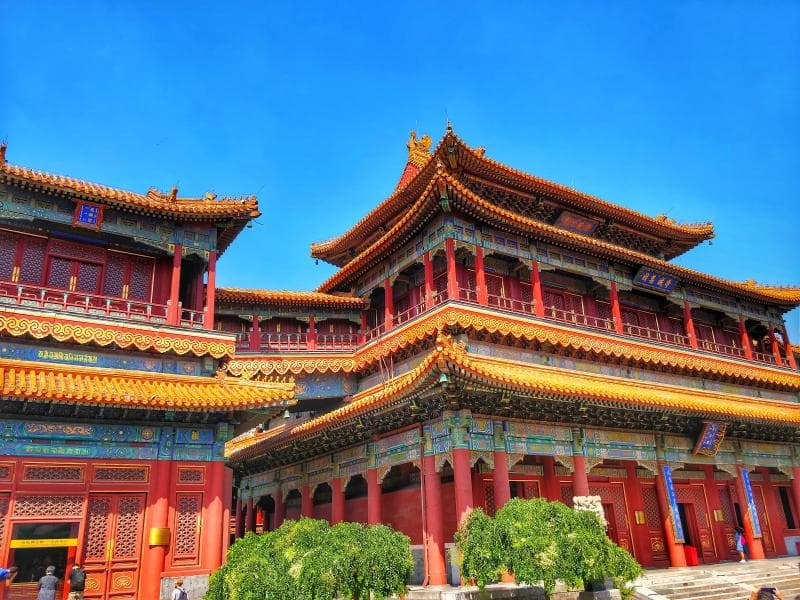
Discover the Hall of Eternal Protection, once Emperor Yongzheng's residence, now a sacred Buddhist hall within Beijing, China's Lama Temple. Explore its rich imperial history and spiritual significance.
Overview
The Hall of Eternal Protection, known locally as Yongyoudian (Hall of Everlasting Protection), stands as a significant and historically rich sub-spot within the revered Lama Temple complex in Beijing, China. As a pivotal structure along the temple's central axis, it is the third main hall encountered after the Hall of Harmony and Peace. This serene space, once the private residence of a future emperor, now serves as a dedicated site for spiritual contemplation, housing a statue of Bhaisajya-guru, the Medicine Buddha. Its enduring presence offers visitors a tangible link to both imperial history and profound Buddhist devotion.
History & Cultural Background
The story of the Hall of Eternal Protection is intricately woven into the imperial tapestry of the Qing Dynasty and the spiritual evolution of the Lama Temple itself. Originally constructed in 1694, the broader complex began its life not as a temple, but as a princely residence for Yinzhen, the fourth son of the Kangxi Emperor. This specific hall, the Yongyoudian, served as Yinzhen's personal living quarters during his time as Prince Yong.
Upon Yinzhen's ascension to the throne as the Yongzheng Emperor in 1722, part of the palace was converted into a lamasery. Following his death, the Hall of Eternal Protection took on an even more somber and significant role as the temporary resting place for his coffin. It was Yongzheng's successor, the Qianlong Emperor, who in 1744 fully transformed the entire complex into an official Tibetan Buddhist monastery, granting it imperial status. This conversion explains the unique blend of Han Chinese imperial architectural motifs, such as yellow-tiled roofs, and Tibetan Buddhist iconography found throughout, including within the Hall of Eternal Protection. Today, the hall is dedicated to the Bhaisajya-guru, the healing Buddha, marking its transition from an imperial dwelling to a place of spiritual solace and healing.
What Makes It Special
The Hall of Eternal Protection distinguishes itself through its unique confluence of imperial history and spiritual sanctity. Its most striking feature is its direct connection to Emperor Yongzheng; it was his home as a prince and later held his coffin, imbuing the space with a palpable sense of royal heritage and personal narrative. This makes it more than just a religious hall; it's a historical chamber where a crucial period of Qing dynasty imperial history unfolded. The hall's current dedication to the Bhaisajya-guru, the healing Buddha, further adds a layer of spiritual depth, inviting contemplation on well-being and compassion. Moreover, as one of the five main halls positioned along the central axis of the Lama Temple, its architectural design reflects the majestic imperial style, fused with Tibetan Buddhist influences, a characteristic that defines the entire complex. This fusion is a testament to the Qing emperors' patronage of Tibetan Buddhism and their desire to integrate diverse cultural expressions within their empire.
Stories, Fun Facts & Local Details
Stepping into the Hall of Eternal Protection is like turning a page in a living history book. Imagine the young Prince Yinzhen, who would become the formidable Yongzheng Emperor, living within these very walls. The hall witnessed his formative years and later, held his coffin, making it a poignant site of both life and passing for a significant figure in Chinese history. This personal connection to an emperor is a rare feature for a Buddhist hall. The Lama Temple itself holds a special imperial status, evidenced by architectural elements like the yellow glazed tiles typically reserved for imperial buildings, which were applied to the main halls after its transformation into a temple. The presence of the Bhaisajya-guru, the Medicine Buddha, is also a fascinating detail. In Buddhist belief, this Buddha is revered for healing both physical and spiritual ailments, offering visitors a subtle invitation to seek peace and solace. While not a 'fun' fact in the traditional sense, the profound shift in the hall's purpose—from imperial residence to a sacred space for a healing deity—showcases the dynamic interplay between secular power and spiritual devotion that shaped China's past.
Visitor Perspective
For the curious traveler, the Hall of Eternal Protection offers a moment of quiet reflection amidst the grandeur of the Lama Temple. As you journey along the main north-south axis of the temple, this hall provides a crucial stop, offering a distinct atmosphere compared to the more elaborate or bustling halls. Here, the focus shifts to historical narrative and spiritual introspection. Visitors often pause to appreciate the dignified architecture and the story behind its transformation. It's a place where the echoes of imperial power merge with the serene presence of Buddhist devotion. While not necessarily a site for specific rituals for the general public, its historical weight and the symbolism of the healing Buddha invite a contemplative approach. Engaging with the Hall of Eternal Protection means appreciating its dual identity: a former imperial dwelling and a current sacred space, making it an essential part of understanding the unique character of the Lama Temple in Beijing.
Coordinates: 116.41111, 39.94694
View on Google Maps💬 How Travelers Describe This Place
Based on community votes
Photogenic
953Unique
695Beautiful
396Must See
286Interesting
22
Traveler Stories
Discover memorable experiences shared by travelers who have visited this place.
No traveler stories yet.
Be the first traveler to share what made this place memorable.

Tour
By
Spot
Discover amazing places around the world. Your journey starts here.
Explore
© 2026 TourBySpot. All rights reserved.