King Mihai I Park
Bucharest, Romania
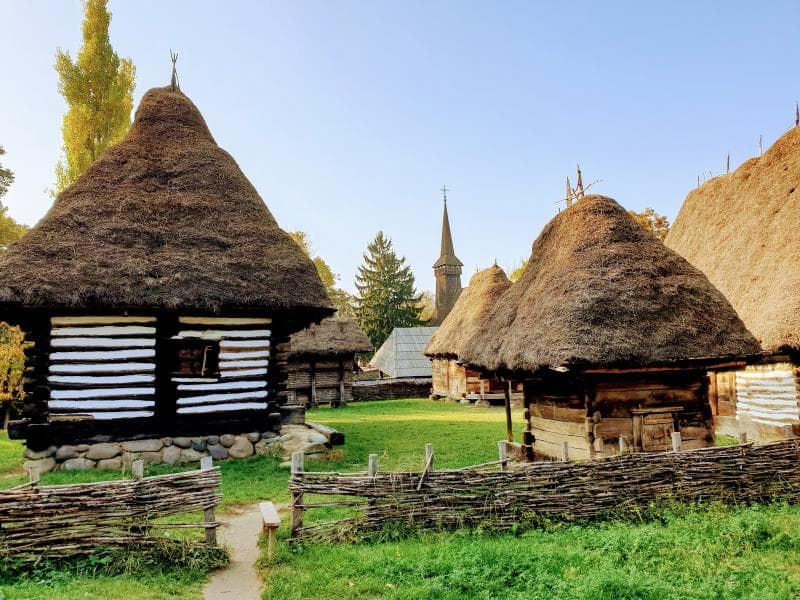
Explore King Mihai I Park in Bucharest, Romania. Discover its rich history, the open-air Village Museum, tranquil Japanese Garden, and scenic Lake Herăstrău.
Overview
King Mihai I Park, formerly known as Herăstrău Park, stands as a grand green oasis in the northern part of Bucharest, Romania. This sprawling urban park, covering approximately 187 hectares, is built around the picturesque Lake Herăstrău, which itself spans 74 hectares. It is not only one of Bucharest's largest parks but also one of the most beloved recreational spaces for both locals and travelers. Visitors can enjoy its vast green areas, serene waters, and numerous attractions free of charge, with access available year-round, 24/7.
History & Cultural Background
The history of King Mihai I Park is deeply intertwined with Bucharest's own evolution. What once was a marshy area surrounding Lake Herăstrău underwent extensive drainage and landscaping efforts between 1930 and 1935. The park officially opened to the public in 1936, initially named the National Park. Over the decades, its name changed several times, reflecting the country's turbulent political landscape. It was briefly known as Carol II Park, then notoriously became I.V. Stalin Park during the communist era, complete with a statue of the Soviet leader that was later dismantled in 1956. For many years thereafter, it was known as Herăstrău Park, a name still commonly used by residents. In a significant tribute to Romania's monarchy, the park was officially renamed King Mihai I Park on December 19, 2017, honoring the last monarch of Romania who passed away earlier that month. Archaeological traces even suggest that the area has been inhabited since the Paleolithic era, with Dacian settlements once existing here.
What Makes It Special
King Mihai I Park offers a rich tapestry of experiences, blending nature with culture and recreation. At its heart is Lake Herăstrău, providing opportunities for boat rentals, paddle boats, and hydro-bicycles, allowing visitors to enjoy the views from the water. A crown jewel within the park is the Dimitrie Gusti National Village Museum, an exceptional open-air ethnographic museum showcasing authentic traditional Romanian houses, churches, and technical installations relocated from various regions across the country. Visitors can wander through this 'living village' to glimpse rural life from the 17th to the early 20th centuries. Another serene highlight is the tranquil Japanese Garden, created in collaboration with the Japanese Embassy. It features traditional stone lanterns, wooden bridges, and, most notably, stunning cherry blossoms that bloom vibrantly in April, often celebrated during the Hanami festival. The park also encompasses the elegant Elisabeta Palace, a former royal residence and current home to the Romanian Royal Family, which can be admired from a distance. Beyond these cultural landmarks, the park boasts extensive pathways for walking, jogging, and cycling, along with tennis courts, playgrounds, outdoor fitness areas, and numerous cafes and restaurants.
Stories, Fun Facts & Local Details
The park is a place of many stories. The Village Museum, inaugurated in 1936 under the patronage of King Carol II, was an pioneering initiative as one of Europe's first open-air ethnographic museums. For a time, it even housed authentic peasants who demonstrated traditional crafts, turning it into a truly living laboratory of Romanian heritage. The numerous name changes of the park serve as a tangible timeline of Romania's tumultuous 20th-century history, from royal endorsement to communist imposition and finally, a return to national heritage. You'll find scattered sculptures of notable figures throughout the park, including a unique memorial for Michael Jackson, adding an unexpected touch of global pop culture. The Arch of Triumph, a symbol of national unity, stands prominently near one of the park's entrances, contributing to Bucharest's nickname of 'Little Paris'. The very name 'Herăstrău' itself comes from an old Romanian word meaning 'sawmill', referring to the water-powered sawmills that once operated on the Colentina River.
Visitor Perspective
Stepping into King Mihai I Park feels like entering a different world, far removed from the city's hustle and bustle. Its immense size ensures that, even on busy days, you can always find a quiet corner for reflection or a peaceful stroll. Whether you are seeking a leisurely walk, an invigorating cycle, a boat ride on the lake, or a deeper dive into Romanian culture at the Village Museum, the park caters to all interests. The atmosphere is generally tranquil and welcoming, making it an ideal spot for families, couples, and solo explorers alike. Its convenient location in northern Bucharest, easily accessible by metro (Aviatorilor and Aurel Vlaicu stations), makes it a perfect destination for a half-day or full-day excursion. Comfortable shoes are recommended to explore its vast network of pathways and discover its many hidden gems.
Coordinates: 26.081417, 44.47806
View on Google Maps💬 How Travelers Describe This Place
Based on community votes
Photogenic
685Interesting
446Beautiful
152Unique
33Must See
16
Traveler Stories
Discover memorable experiences shared by travelers who have visited this place.
No traveler stories yet.
Be the first traveler to share what made this place memorable.
Things to see at King Mihai I Park



Tour
By
Spot
Discover amazing places around the world. Your journey starts here.
Explore
© 2026 TourBySpot. All rights reserved.